

How Zoos care for animals with chronic conditions
May 20, 2026
You may have heard the term “chronically ill” to describe someone experiencing long-term health conditions that necessitate ongoing medical intervention. Animals, both in the wild and in human care, can also experience a variety of situational and genetic factors that cause them to be born with or develop chronic conditions.
Animals housed in Zoos and Aquariums often live longer than they would in the wild because they are protected from predators, receive proper nutrition, and are given medical care. This increased lifespan means that some animals eventually develop age-related conditions such as heart disease, diabetes, or arthritis. President and CEO of Chattanooga Zoo, Darde Long, states that “the number of animals we have with chronic conditions is a real tribute to our animal care staff” for taking such good care of our animals that they have these longer lifespans. So, how do Zoos manage animals with chronic conditions?
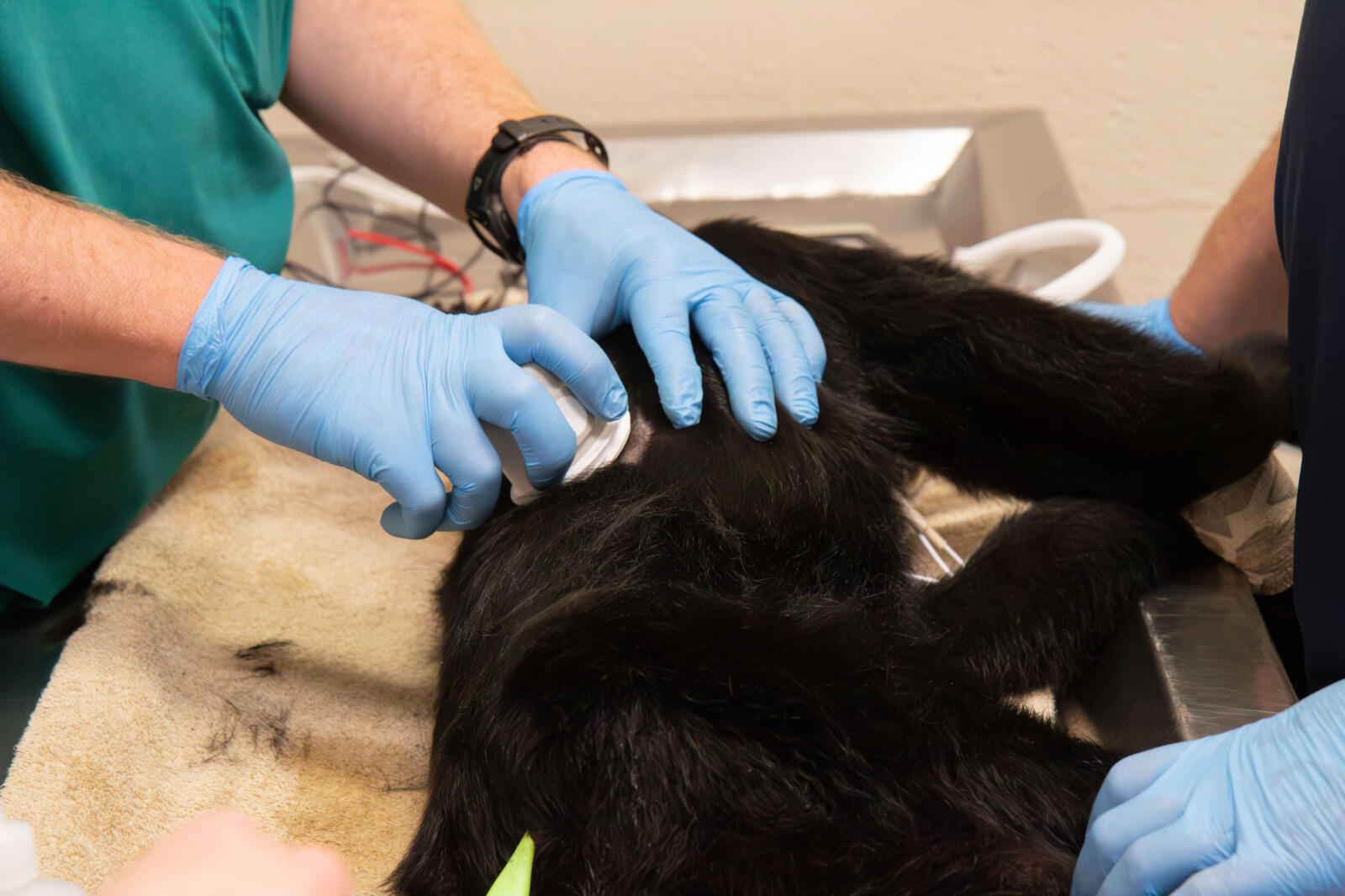
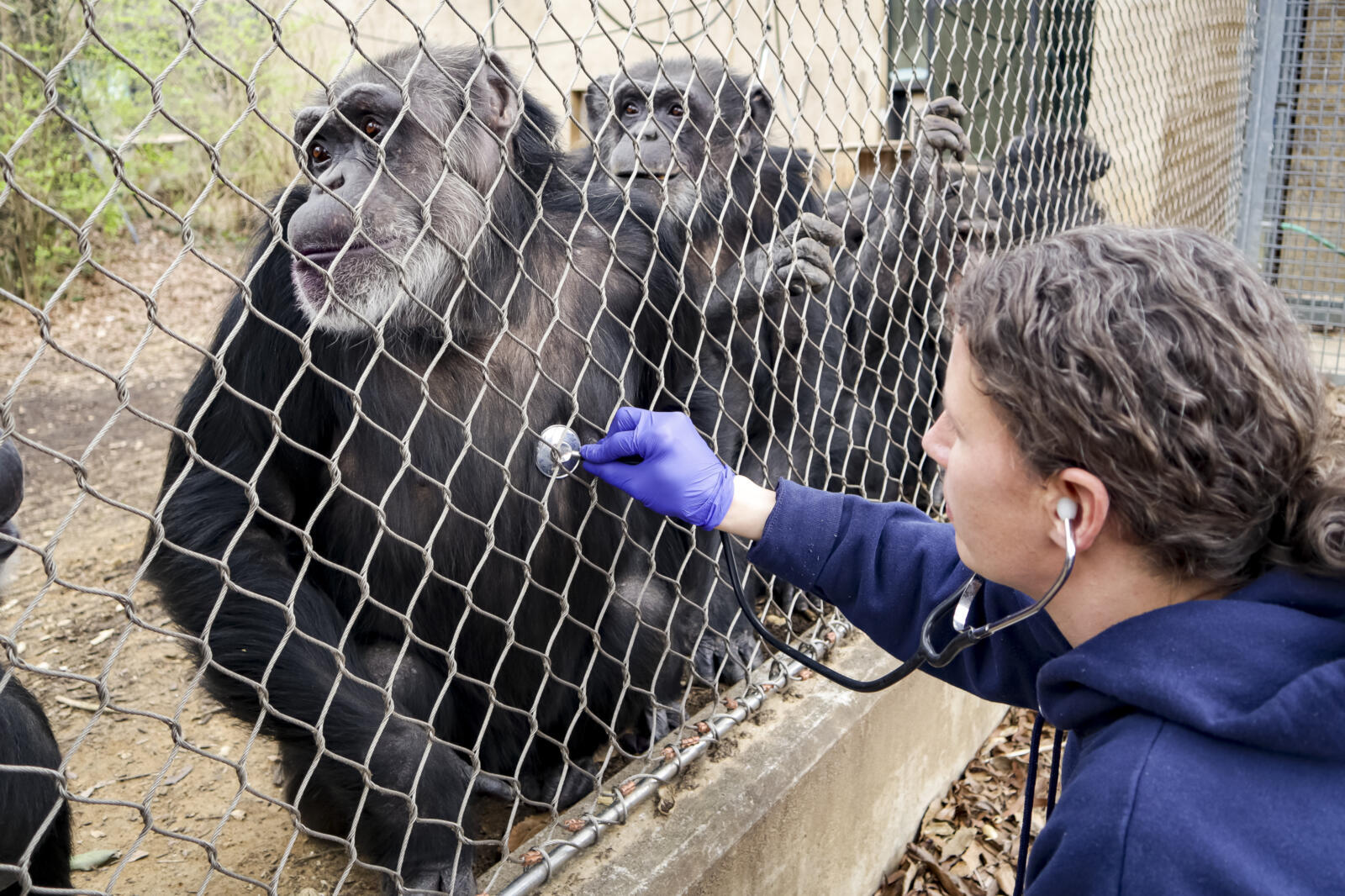
It starts with a diagnosis. Just like you go for your annual physical with a doctor, most animals at Chattanooga Zoo are seen by veterinary staff on a yearly basis. Here, staff take blood samples, x-rays, ultra-sounds, listen to their heart and lungs, and physically examine the animals to make sure they are healthy. If something comes up as abnormal, the animal is visited again until a diagnosis and treatment plan are made. Any animal identified as needing extra medical care or having a chronic illness sees vet staff as needed to monitor their condition, symptoms, and the effectiveness of any medication.
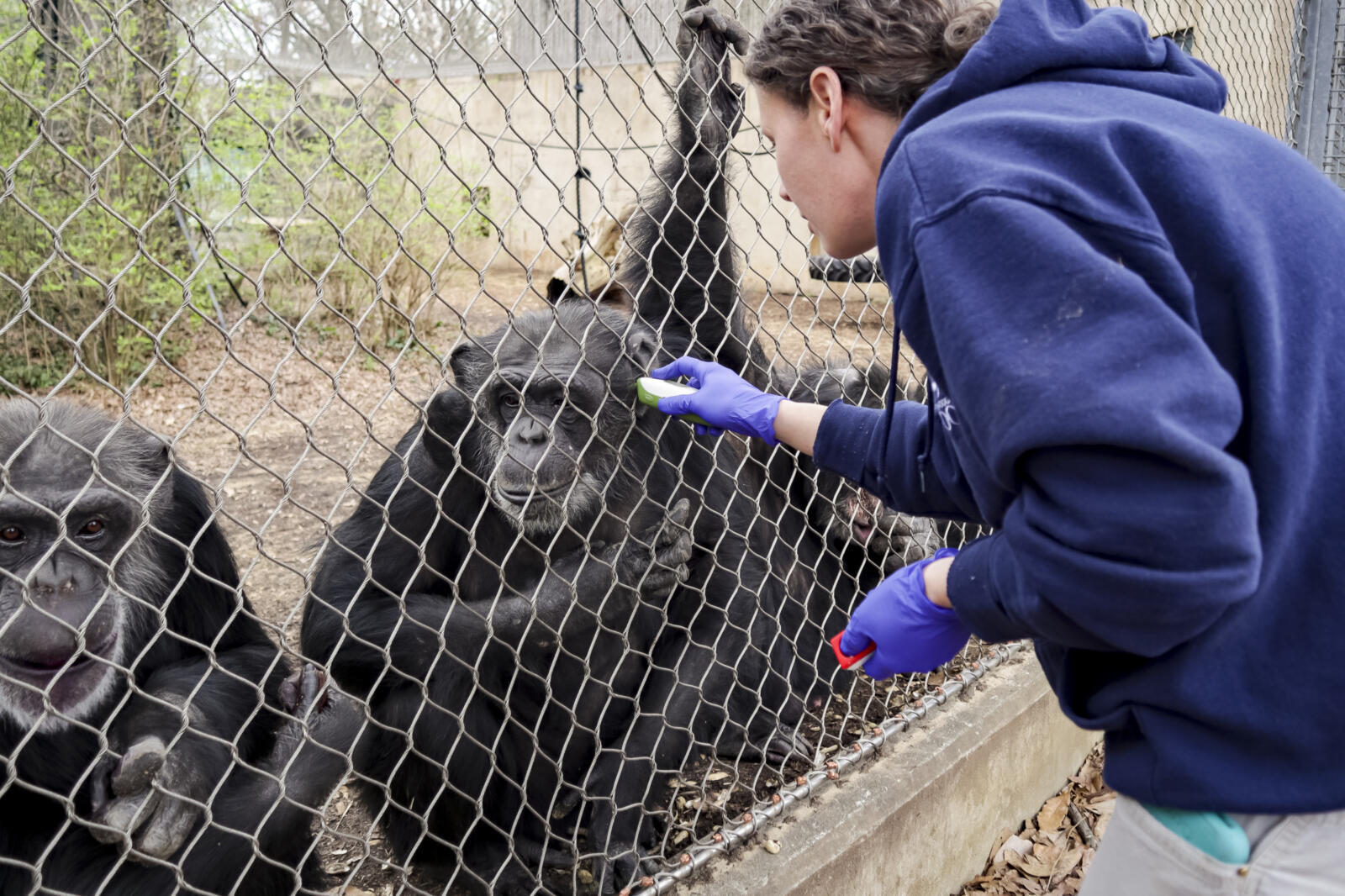
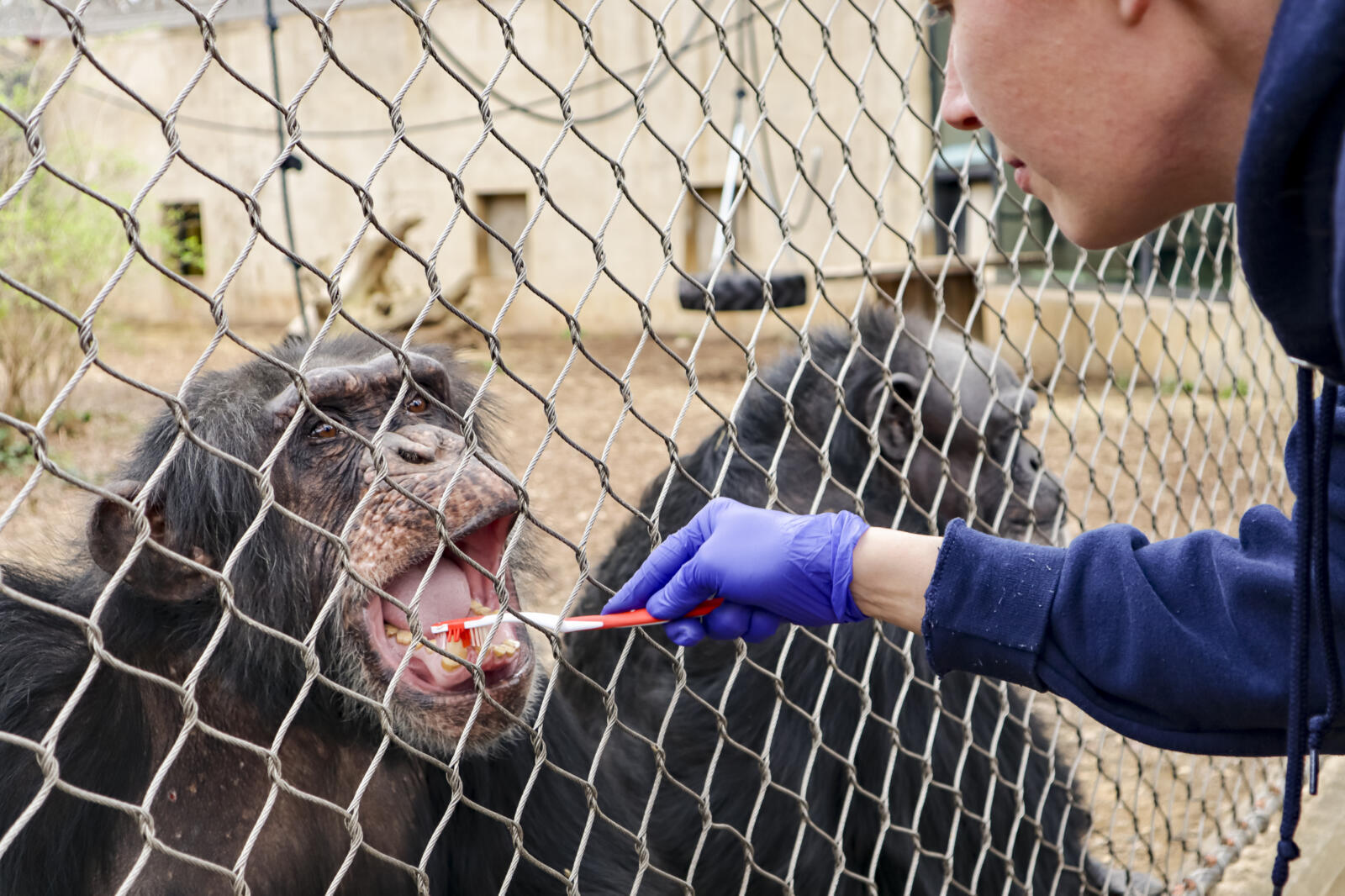
Medical care doesn’t start and stop with the veterinarian team, however, because zookeepers are the ones who handle the day-to-day care of an animal, including administering medications. If you’ve ever had a pet at home, you might know how hard it can be to convince a dog or cat to take medicine. How do zookeepers, who often deal with potentially dangerous animals, ensure that those with chronic illnesses take their medication? One way is to give animals some agency. General Curator, Lacey Hickle, says that the animals “participate voluntarily in their healthcare as much as possible.” One example of this is using compound pills, or combining different medications into a customizable pill. Because compound pills can be tailored to suit the needs of an animal, they can also be flavored with an appealing taste like fruit, meat, or fish to entice them to take the medicine.
Animals often form deep bonds with their zookeepers, contributing to a sense of familiarity and trust. This bond is used to train animals to engage in certain behaviors, such as stepping up onto a scale to be weighed, stick out a paw or hoof for examination and grooming, or even present a part of their body for an injection. By doing these exercises daily, a routine is built and trust is strengthened so that medical care isn’t strange or intimidating and animals become voluntary participants in their own health care.
Recently, two of our beloved animals with chronic health conditions passed away: Kgalagadi (Gadi for short) the meerkat and Avi the red panda.
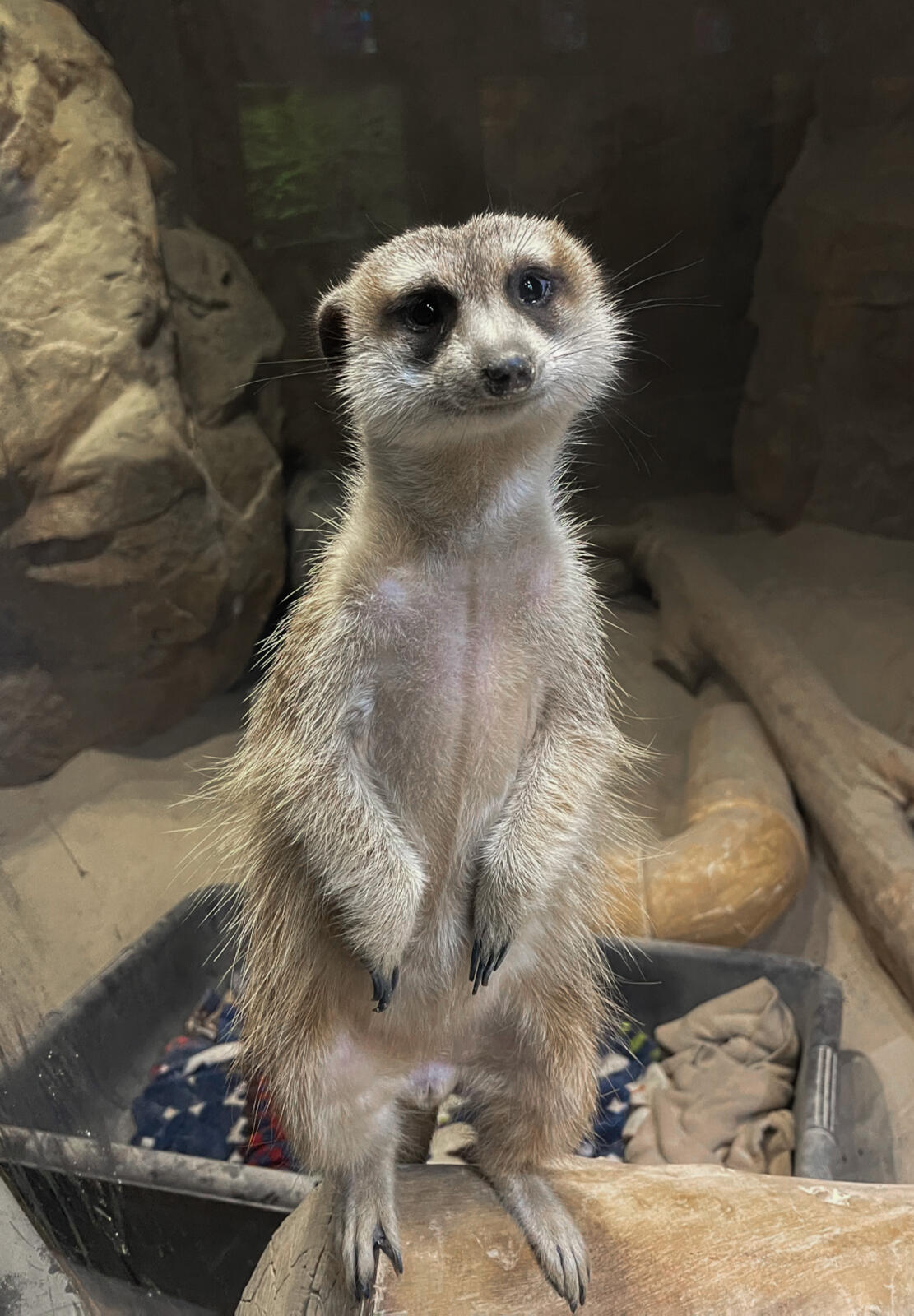
Gadi had dilated cardiomyopathy – a condition which enlarges the heart, causing it to pump abnormally. Unfortunately, Gadi passed away earlier this April at the age of 6. Researchers believe that dilated cardiomyopathy may be genetic because of the prevalence of the disease: 30% of meerkats sampled had the condition. The silver lining of Gadi’s diagnosis is that it prompted our vets to test his younger siblings as well. Ultrasound results confirmed that they both share the condition, likely given to them genetically from their father who had also since passed, likely from the disease.
Now, our veterinary team faces caring for two meerkat siblings who both have this same chronic condition. Thankfully, because they were diagnosed early on, they can be treated proactively. Long-term care for our two meerkats with dilated cardiomyopathy looks like administering medications that delay the onset of the disease and help their heart pump more efficiently. Our zookeepers report that they’re very good about taking their medicine every day.
Sometimes though, a health prognosis is less hopeful and can’t be proactively treated. There are instances where recovery or delaying the onset of a disease is not possible. In these cases, Darde Long states that, “the priority is always length and quality of life.” In these cases, she says that the Zoo plans for excellent end-of-life care to maintain life quality until the very end. In terms of managing chronic conditions that may worsen with age, end-of-life care looks different on a case-by-case basis depending on an individual’s species, condition, needs, and comfort. One example comes from helping CJ, a geriatric 13 year-old cougar who has arthritis, navigate his habitat space. Adaptations were made to his habitat and ramps were built up to the platforms. Instead of jumping and putting stress on his joints, CJ can easily walk anywhere he wants to be in his habitat. This small change has a big impact on CJ’s comfort and quality of life as he continues to age.
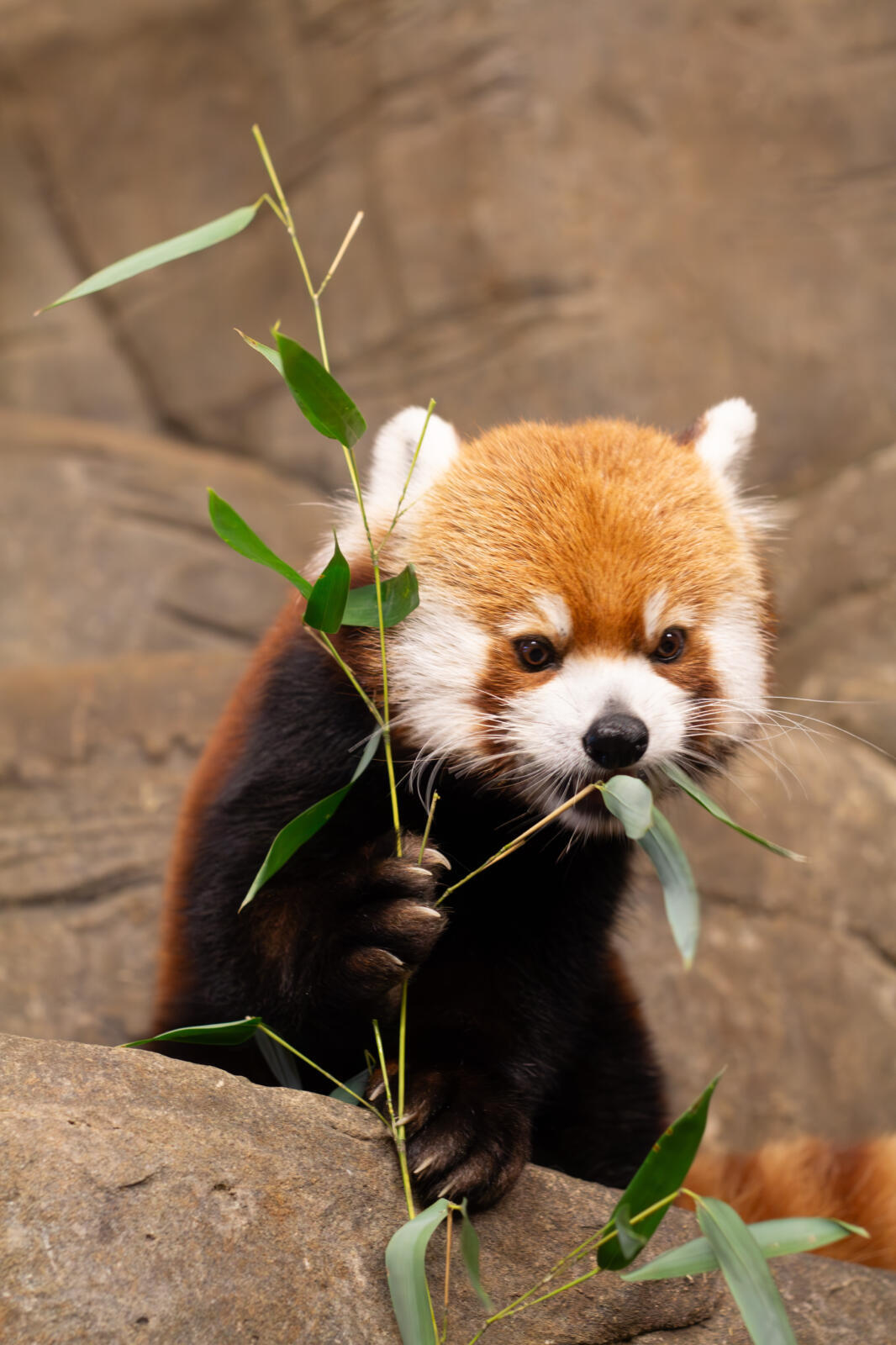
For Avi, our almost 10 year-old red panda, the priority in end-of-life care was not centered around mobility but keeping stress-levels low. Last year, Avi was diagnosed with Peracute Red Panda Mortality Syndrome, an adrenal gland disorder that disrupts hormone production and is similar to Addison’s disease in dogs. Avi was treated with steroids, however, unlike Addison’s disease, this syndrome is known to not be as responsive to treatment. Keepers maintained normal routines with Avi such as training and guest encounters. Like with all of our animal encounters, Avi had the choice on whether he wanted to participate with guests or not. By continuing to hold the encounters regardless of whether Avi chose to participate, our staff were able to keep the routines the same and this sense of normalcy keeps stress low for animals. Keepers looked for ways to make Avi’s life a little easier and more comfortable, knowing that they had limited time left and gave Avi lots of attention and maybe a few extra of his favorite treats (grapes) for good measure.
Hickle says that, “we try to have conversations with keepers after being diagnosed to determine what they need to know to keep up with medically, know what they are looking for, and also emotionally prepare themselves.” Once an animal has been diagnosed with a chronic condition and is placed on a treatment plan, depending on the specific condition, end-of-life care can extend life and comfort for months or even years. When an animal’s time has come, however, the decline in health often happens rapidly. Because end-of-life care has been so efficient at keeping an animal comfortable, it can feel like an animal was fine one day and gone the next. The reality is that Zoos care for animals in every stage of life and unfortunately, this includes the stage where we have to say goodbye. Putting so much care and intention into end-of-life care means that there isn’t prolonged discomfort for an animal. Unfortunately, as the name suggests, one of the symptoms of Peracute Red Panda Mortality Syndrome is sudden death. Although Avi had been doing well on his steroids continuing his routines as normal, Avi passed away earlier this year in late April.
One of the hardest aspects of a zookeeper’s job is the emotional toll of losing an animal that you have bonded with for years. One way that Chattanooga Zoo supports its employees through these difficult emotions is by providing mental health services through Growing Resiliency for Aquarium and Zoo Employees (GRAZE) which provides resiliency training, peer support, and crisis response for employees who are navigating life at work after the loss of an animal.
Saying goodbye to our beloved, fuzzy friends is never easy, especially with animals as incredible as Gadi and Avi, but we know that they were deeply loved and cared for their whole lives at Chattanooga Zoo and their final days were filled with comfort and peace.
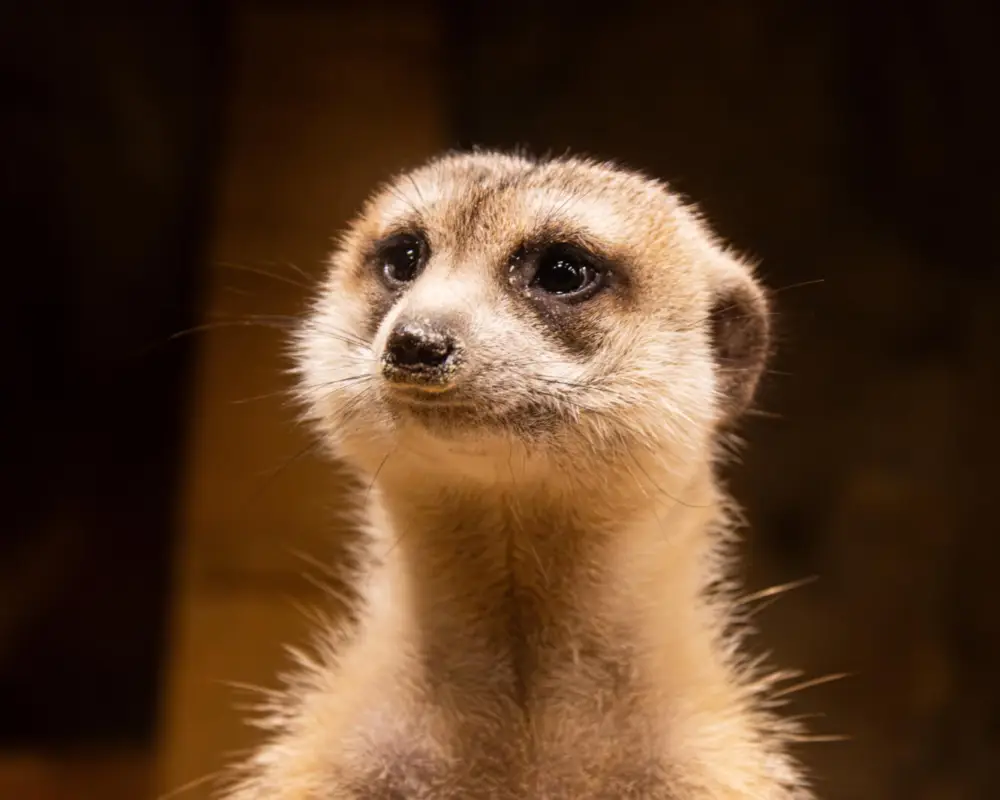
Gadi the meerkat.
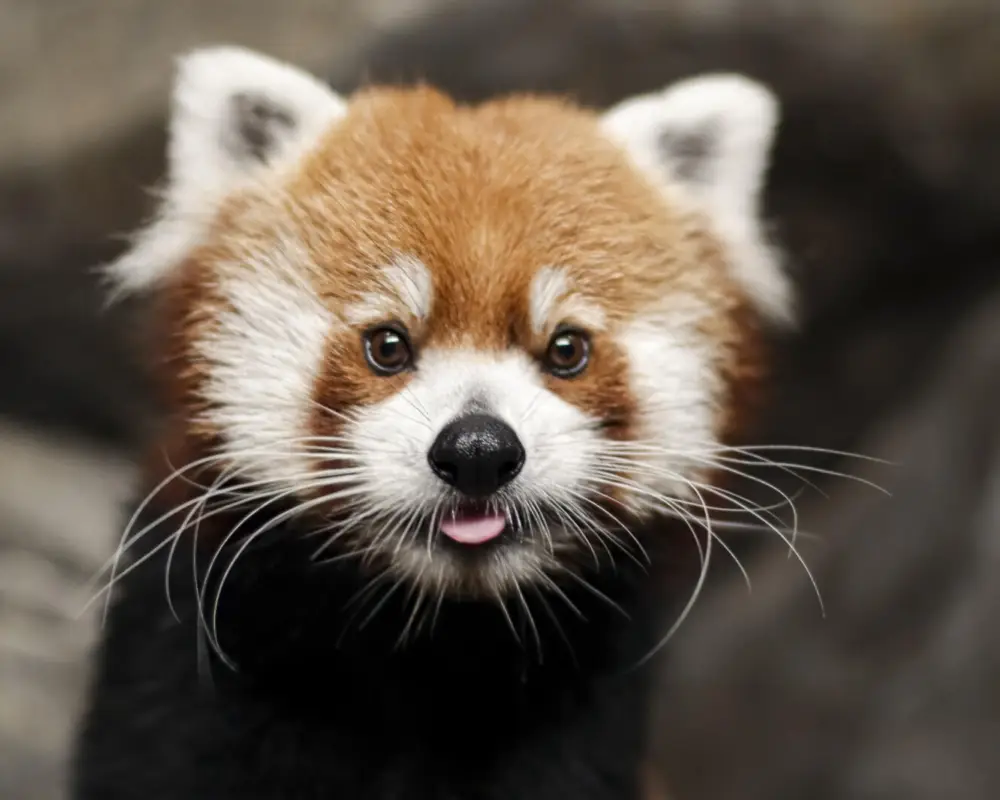
Avi the red panda sticking his tongue out.