

What you don't always see at the Zoo
January 30, 2026
Beyond facilitating close-up animal encounters, family memories, and educational programs at Chattanooga Zoo, staff are hard at work on a different important mission that isn’t always in the public spotlight.
As an Association of Zoos & Aquariums (AZA) accredited institution, a key component of Chattanooga Zoo’s mission is conservation and protecting animals who are threatened with extinction. Many of the animals at Chattanooga Zoo are considered endangered by the International Union for Conservation of Nature (IUCN) which tracks extinction risk for thousands of species globally and identifies which species are at the highest risk on their Red List of Threatened Species.
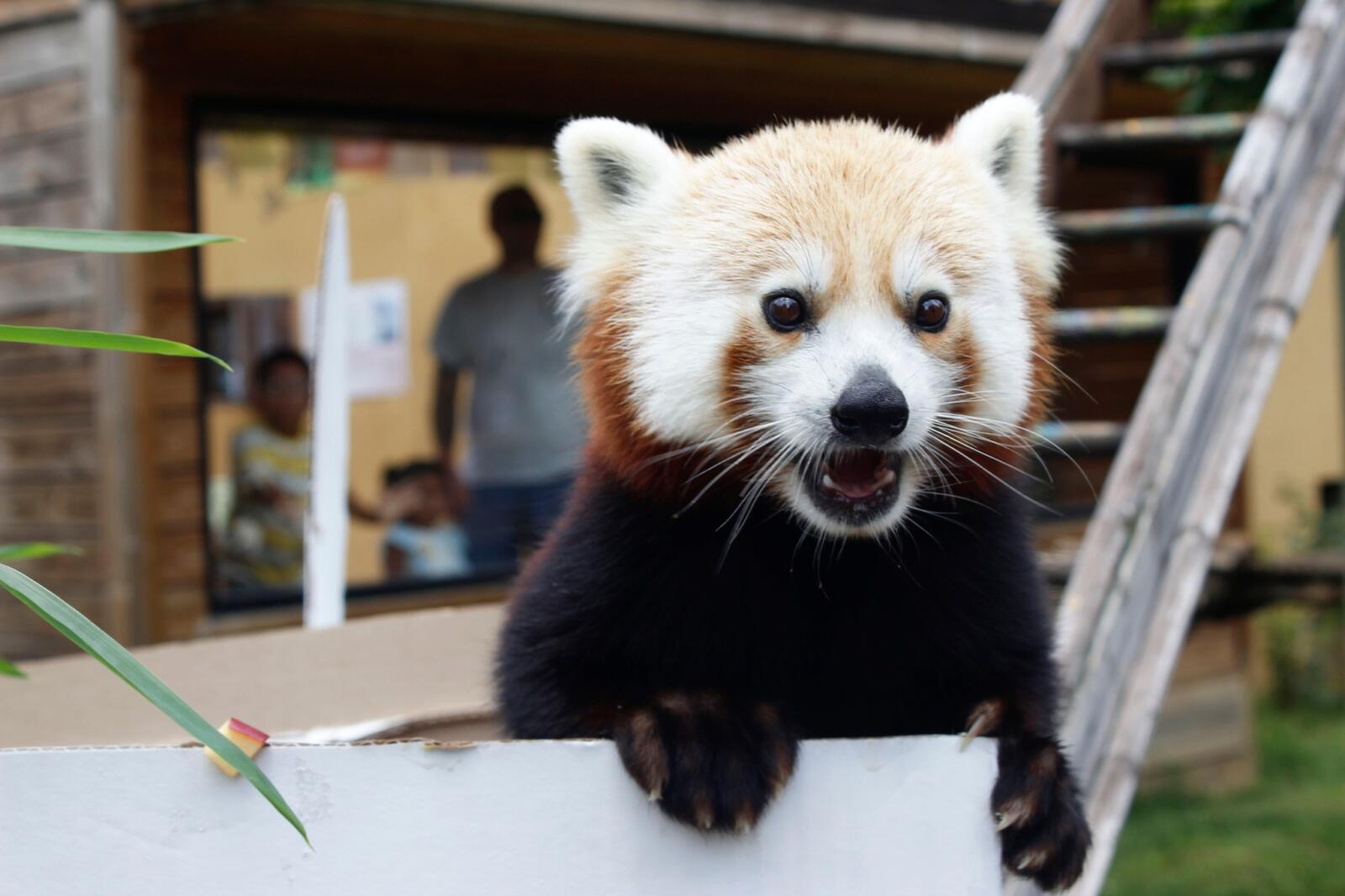
You may have asked yourself: “Why are animals sometimes transferred to a different zoo?”
Animals are sometimes transferred between zoos for an initiative called Species Survival Plan (SSP), which are programs individualized to each species and aimed at creating healthy and diverse genetic pools. Zoological staff and scientists make suggestions on which animals (sometimes located at different zoos) are most compatible for mating. This builds up the populations under human care so that Zoos never have to take an animal from the wild for the sole purpose of putting them on exhibit.
For animals at the greatest risk of extinction, SSPs can be especially important. Some species, like the Panamanian golden frogs and the Roti Island snake-necked turtles at Chattanooga Zoo, are believed to be extinct in the wild entirely. In cases like these, preservation within Zoos is the ultimate goal. SSPs may collaborate with Saving Animals From Extinction (SAFE) programs which prioritize conservation in the wild and sometimes work to repopulate natural habitats.
Animals on exhibit at the Zoo serve as representatives for their species. By exhibiting these vulnerable species in safe, sustainable populations at the Zoo, people are connected to animals in a way that inspires passion for the environment, wildlife, and conservation.
Currently, Chattanooga Zoo participates in 46 different SSP programs for our animals. For more information on Chattanooga Zoo’s conservation efforts and partners, visit chattzoo.org/about/conservation.
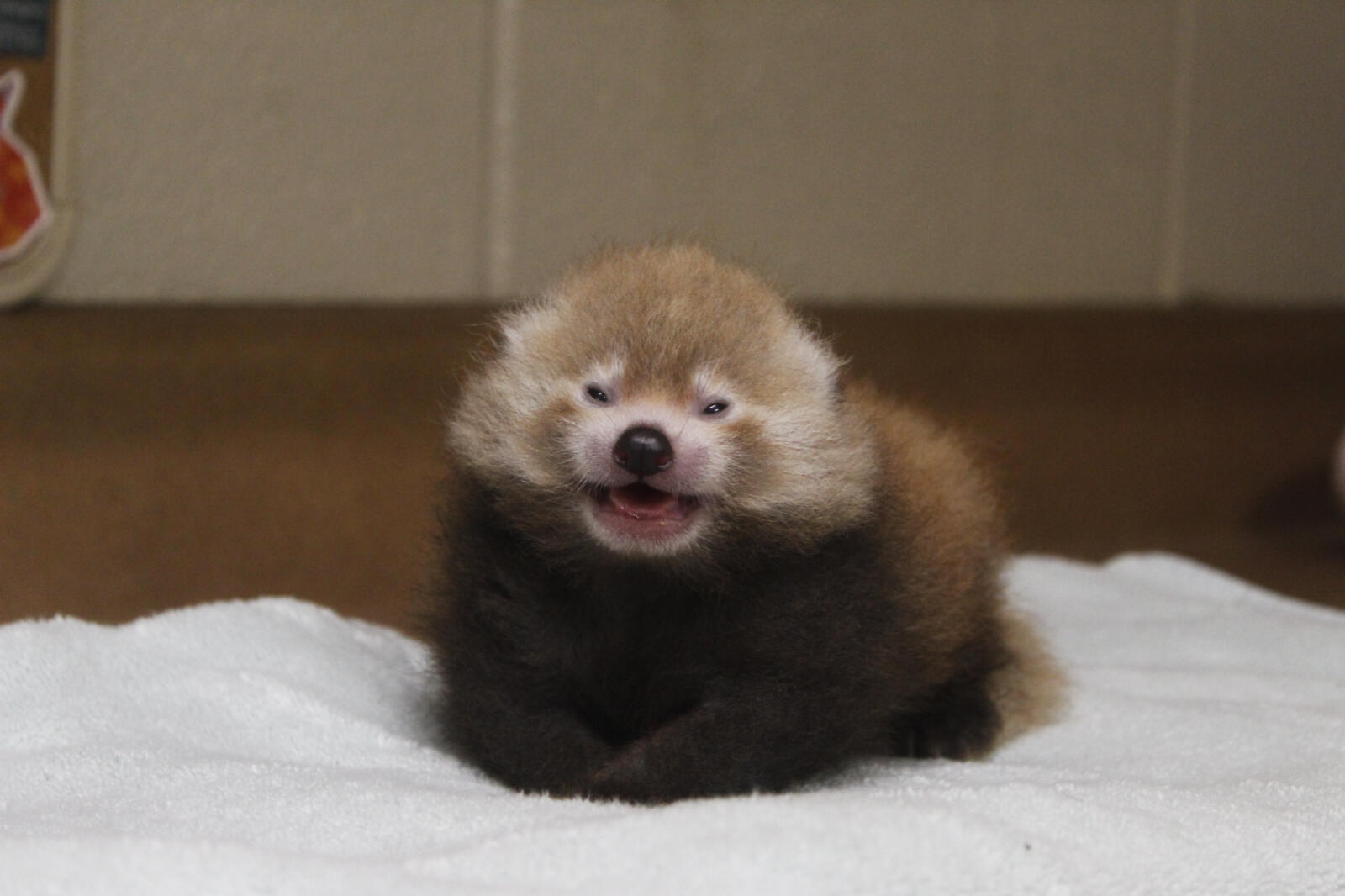
You might already be familiar with a particular SSP program at Chattanooga Zoo — Saffron the red panda gave birth to a healthy cub, Pilatus, at Chattanooga Zoo in 2024. Although disappointing to see our cute new Pilatus go, he was relocated to Connecticut’s Beardsley Zoo on recommendation to match with their female red panda, Ponya. By collaborating with different AZA Zoos, we continue to repopulate endangered species!
Listed below are profiles for nine critically endangered or extinct in the wild species currently supported by SSP and other conservation initiatives at Chattanooga Zoo:
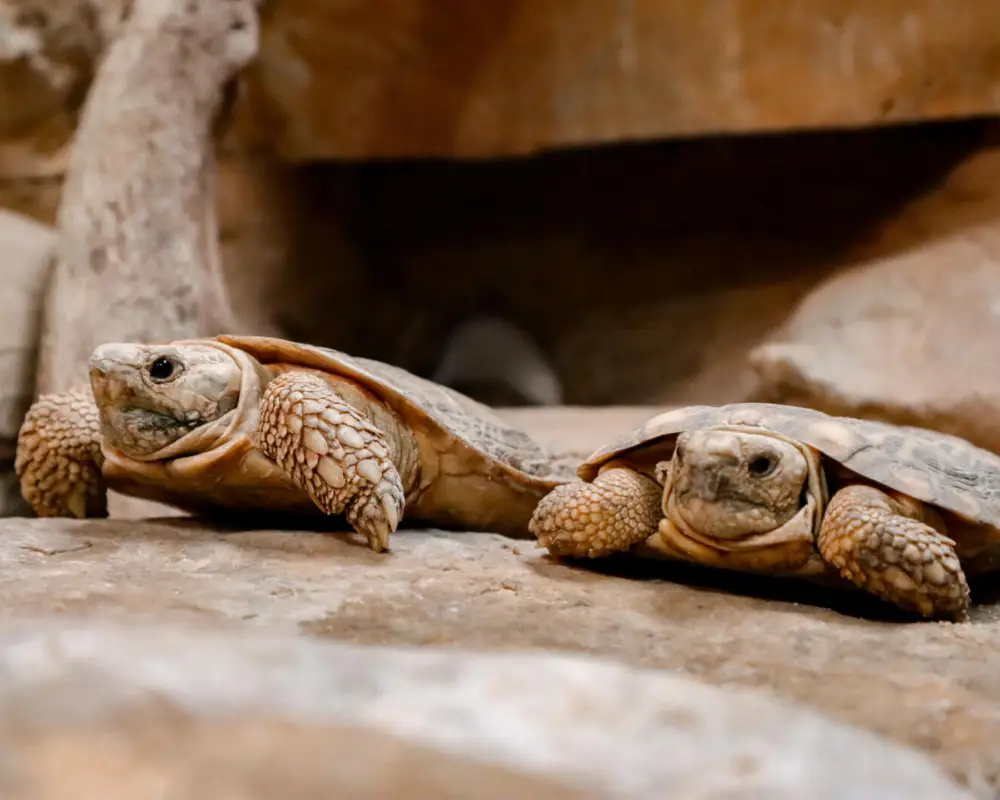
African Pancake Tortoise
Scientific Name: Malacochersus tornieri
Natural Habitat: East Africa: Kenya, Tanzania, Zimbabwe
Risks Impacting Endangerment:
Habitat loss
Illegal pet trade
IUCN Rating: Critically Endangered
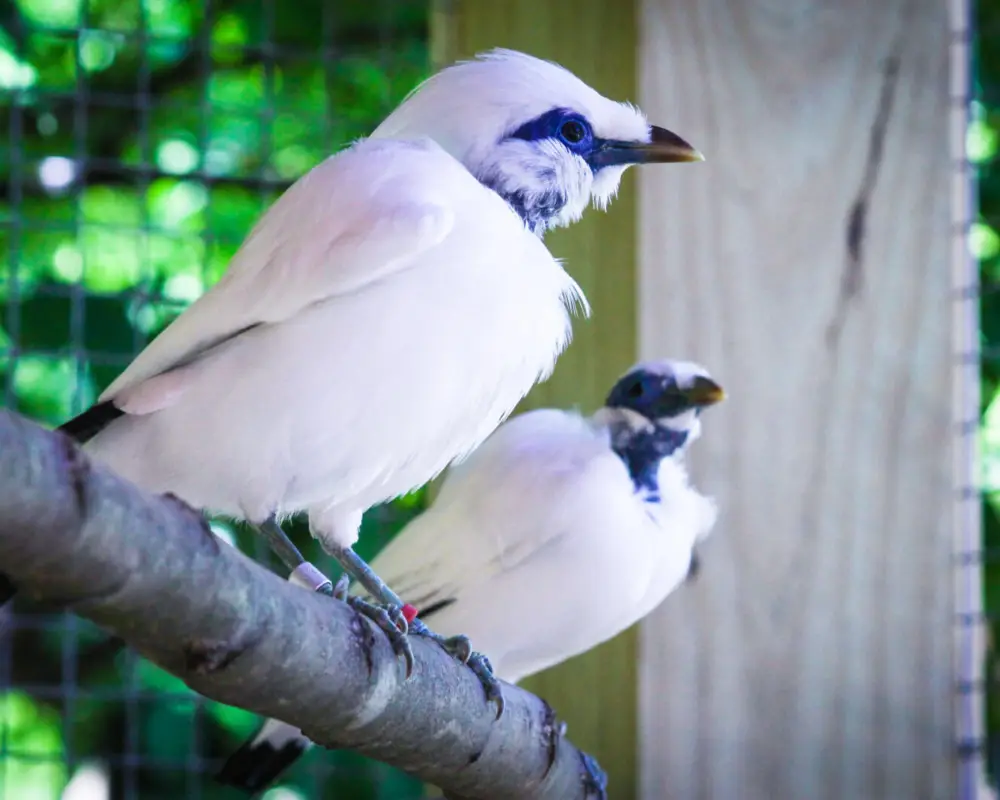
Bali Myna
Scientific Name: Leucopsar rothschildi
Natural Habitat: Bali Island, Indonesia
Risks Impacting Endangerment:
Illegal pet trade
Habitat loss
IUCN Rating: Critically Endangered
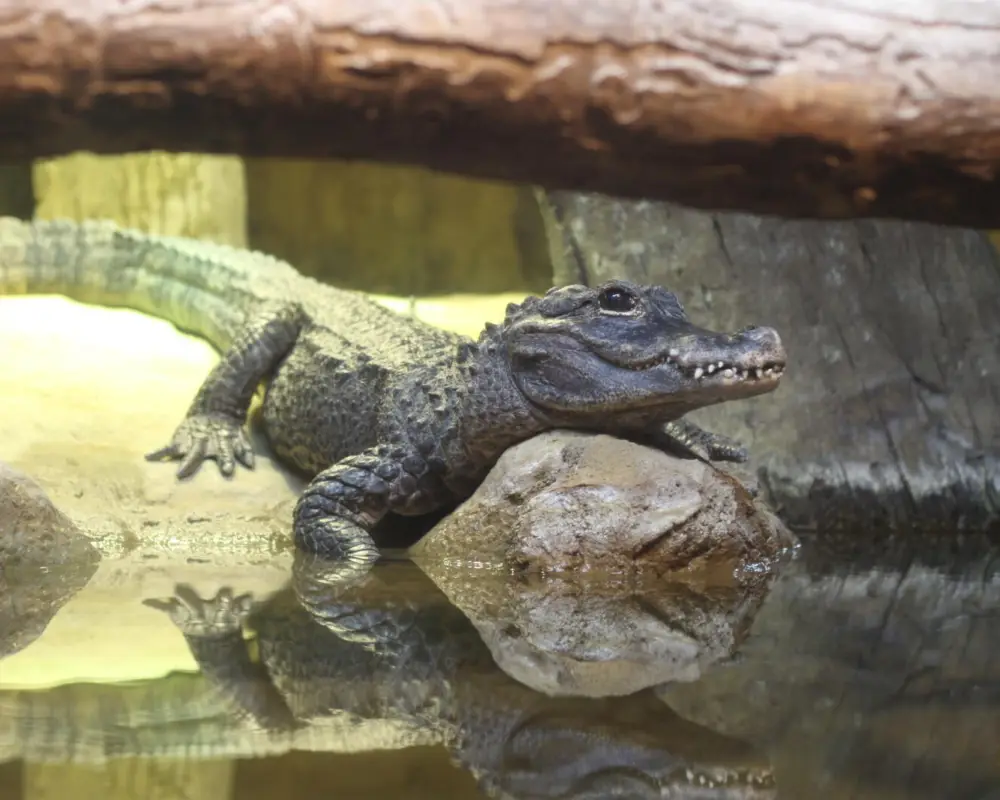
Chinese Alligator
Scientific Name: Alligator sinensis
Natural Habitat: Lower Yangtze river, China
Risks Impacting Endangerment:
Habitat loss
Agriculture/pesticides
IUCN Rating: Critically Endangered
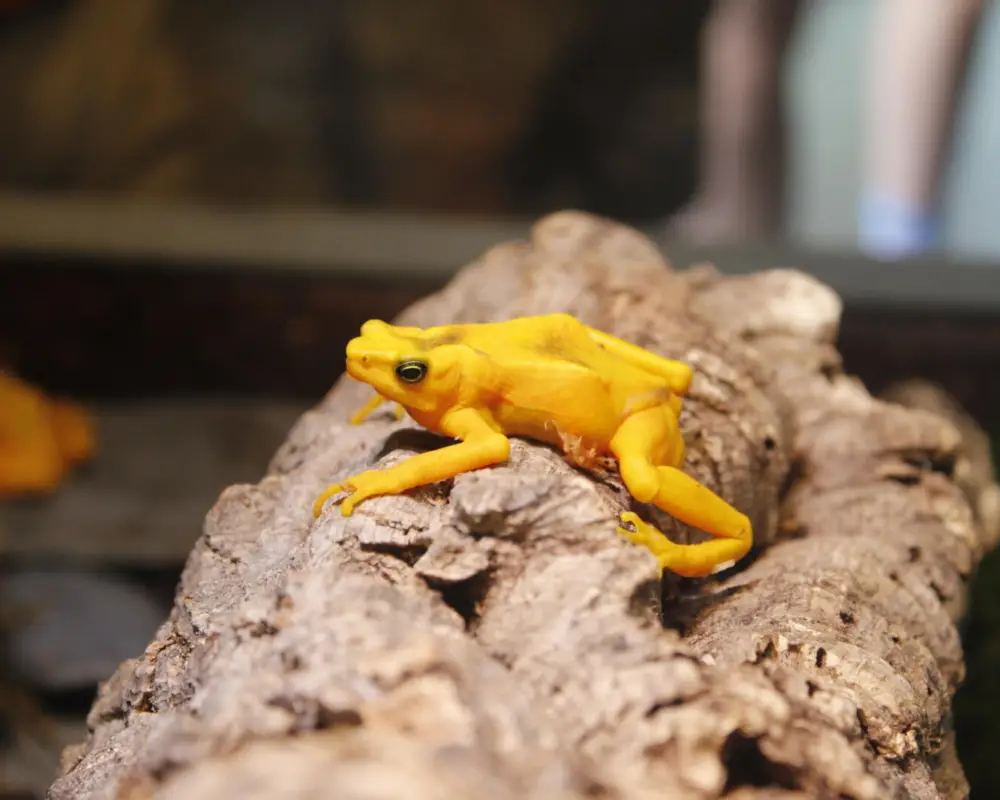
Panamanian Golden Frog
Scientific Name: Atelopus varius
Natural Habitat: Rainforest, Panama
Risks Impacting Endangerment:
Aquatic fungal pathogen causing fatal disease
Habitat loss
IUCN Rating: Critically Endangered (Believed to be extinct in the wild)
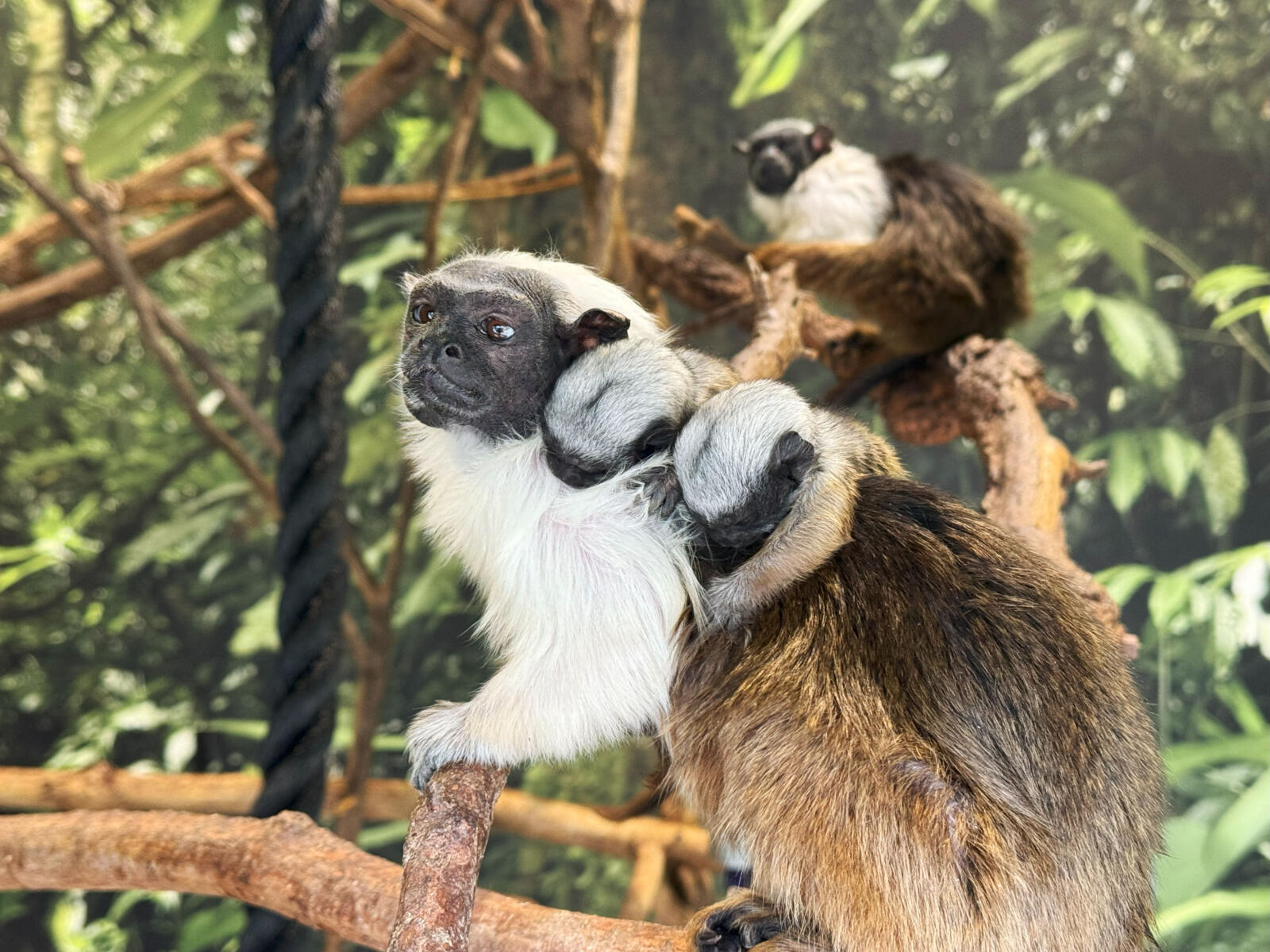
Chattanooga Zoo houses several species of tamarin – small, squirrel-sized monkeys – but our pied tamarins are especially important to us! Sometimes called the Brazilian bare-faced tamarin, these pipsqueak primates are only found in a small section of the Brazilian rainforest near the city of Manaus. Because of deforestation, habitat loss, and even the exotic pet trade, these funny fellas are considered by the IUCN to be critically endangered.
Baby tamarins spend the first few months of their life riding around on the backs of their parents. Usually the father will carry the infants around and pass them over to the mother for feedings. Although tamarins are usually born as twins, they have a naturally high infant mortality rate which contributes to the species’ struggle for survival.
Partially because of how difficult it is to breed pied tamarins, we are one of only six Zoos in the United States to house these unique little monkeys. In 2009, we received our first set of pied tamarins, Sammy and Diddler. Pied tamarins are infamously difficult to breed so after some trial and error, several sets of pied tamarin twins have been born at Chattanooga Zoo! In 2024, Daphne and Dudley successfully gave birth to their second set of twins, Appa and Momo but 2025 has been our best year yet for pied tamarin repopulation!
In 2025, Chattanooga Zoo broke some massive news for pied tamarin conservation. Two of our pied tamarins, Carly and Daphne, successfully gave birth and raised a total of three new baby pied tamarins, increasing the number of these rare monkeys to 11 at Chattanooga Zoo and giving us the second-largest group of pied tamarins housed in United States zoos.
We’ve worked hard to spread the word about pied tamarins and the dire situation they face in the wild. News about our newborn tamarins was covered by over 100 media outlets across the United States, including major sources like The Independent and NBC Nightly News with Lester Holt.
You can see these bald-headed friends anytime at the Corcovado Jungle section of Chattanooga Zoo! For more information on pied tamarin conservation, visit: https://www.chattzoo.org/blog/...;
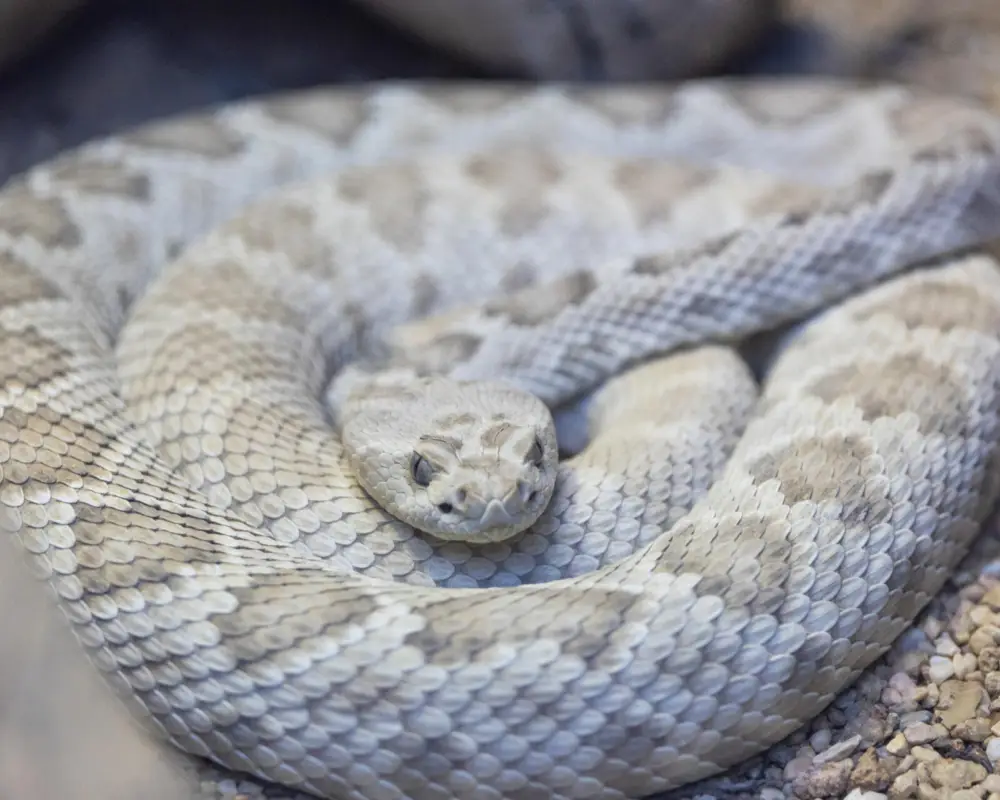
Santa Catalina Island Rattlesnake
Scientific Name: Crotalus catalinensis
Natural Habitat: Santa Catalina Island, California
Risks Impacting Endangerment:
Habitat loss
Predators
Illegal poaching
IUCN Rating: Critically Endangered
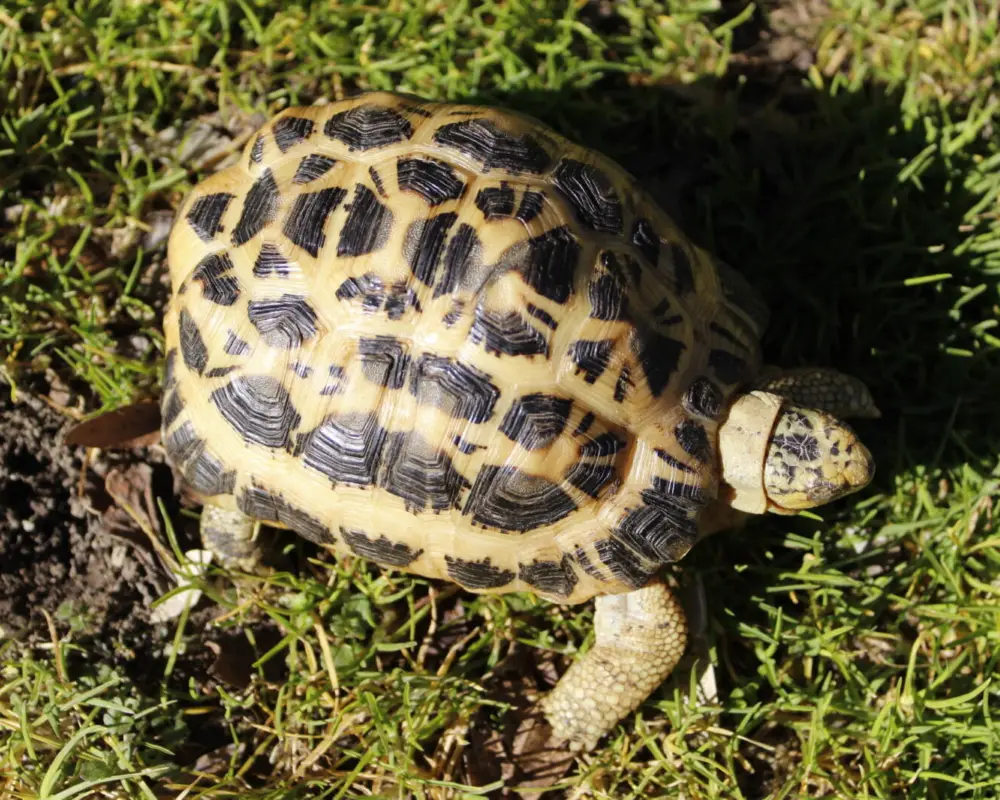
Spider Tortoise
Scientific Name: Pyxis arachnoides arachnoides
Natural Habitat: Madagascar Forest
Risks Impacting Endangerment:
Habitat loss
Agricultural practices
IUCN Rating: Critically Endangered
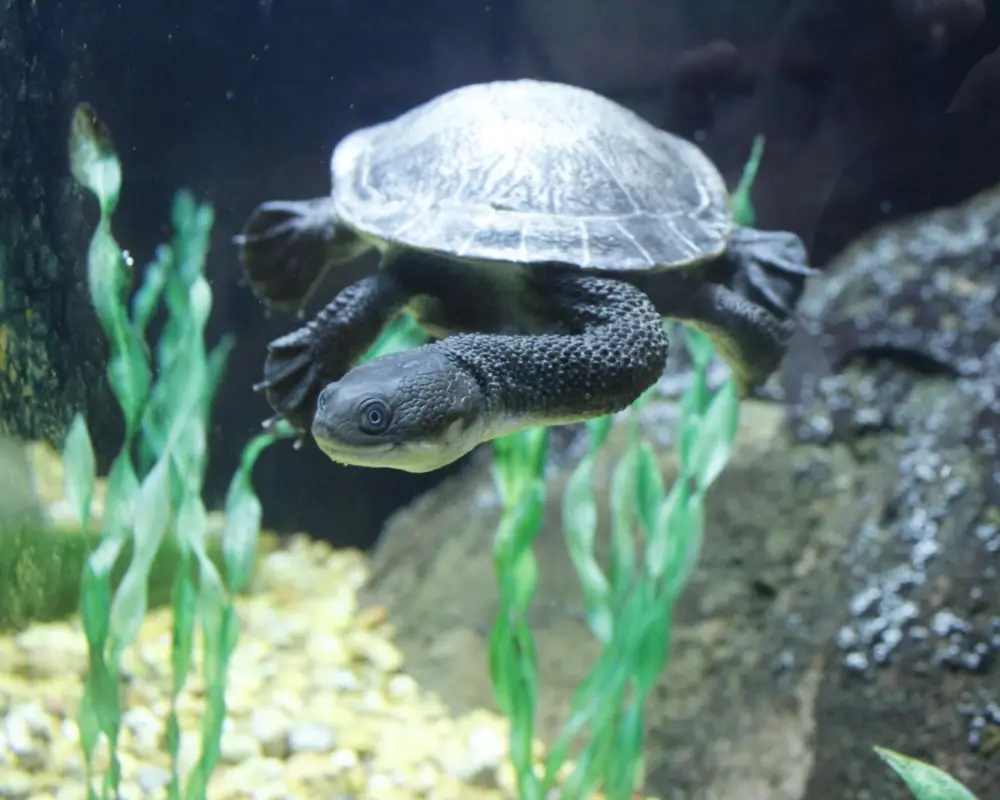
Roti Island Snake-Necked Turtle
Scientific Name: Chelodina mccordi
Natural Habitat: Roti Island, Indonesia
Risks Impacting Endangerment:
Illegal exotic pet trade
Habitat loss
IUCN Rating: Critically Endangered (Believed to be extinct in the wild)
This species of semi-aquatic turtle has a funky feature: a long neck used for ambush hunting that can’t be fully retracted into its shell.
The Roti Island snake-necked turtle, also called the McCord’s snake-necked turtle, can be found in the wild in only one place: Roti Island, Indonesia. Because of its unique look, these turtles are highly sought after in the exotic pet trade. Although it is illegal to transport and sell these animals, so many have been taken from their natural habitat in Indonesia they are believed to no longer exist in the wild and are critically endangered.
For more information on the exotic pet trade visit notapet.net.
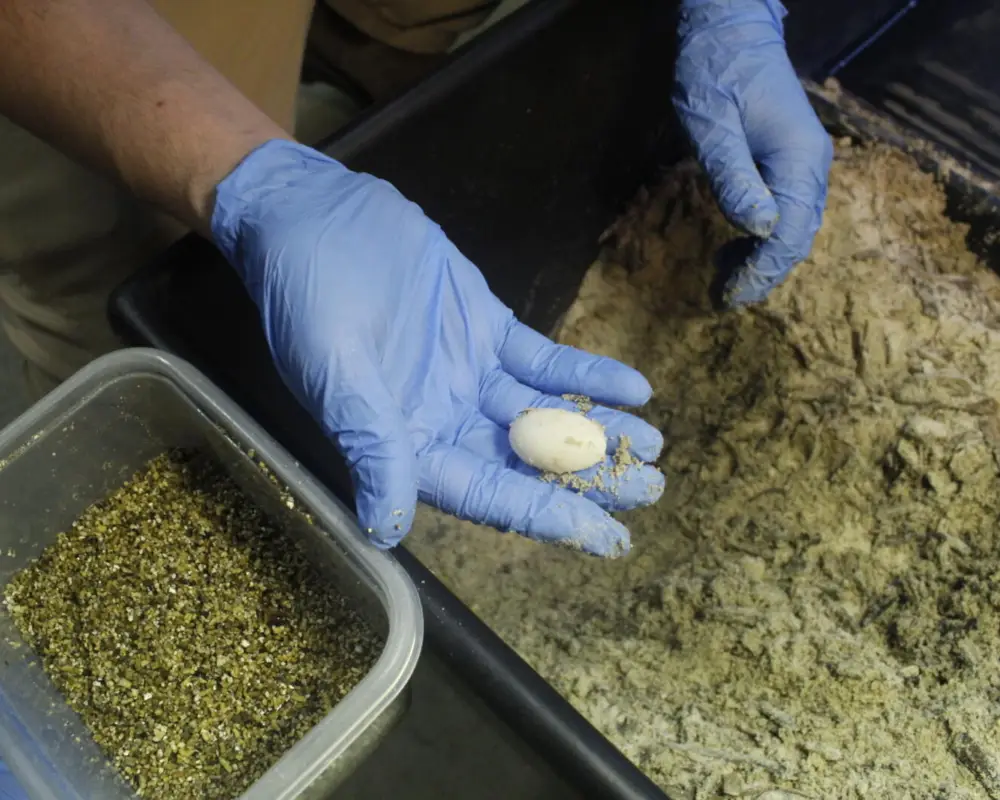
Several of these rare turtles are showcased near the red panda exhibit at Chattanooga Zoo. Behind the scenes, our herpetology team is hard at work protecting them from extinction by following SSPs. In 2024, Chattanooga Zoo successfully hatched a clutch of four Roti Island Snake-Necked Turtles which are still being raised off exhibit by our herpetology staff! Eventually, these hatchlings will be sent to another AZA institution and ideally, transported back to Roti Island to repopulate the island.
You can see these critically endangered species from around the world and many other fascinating and unique critters now by visiting Chattanooga Zoo!