Walkin' The Tracks
American Crow
Is that a crow or a raven?
These two black birds are often mistaken for each other. But there are visible differences between the two.
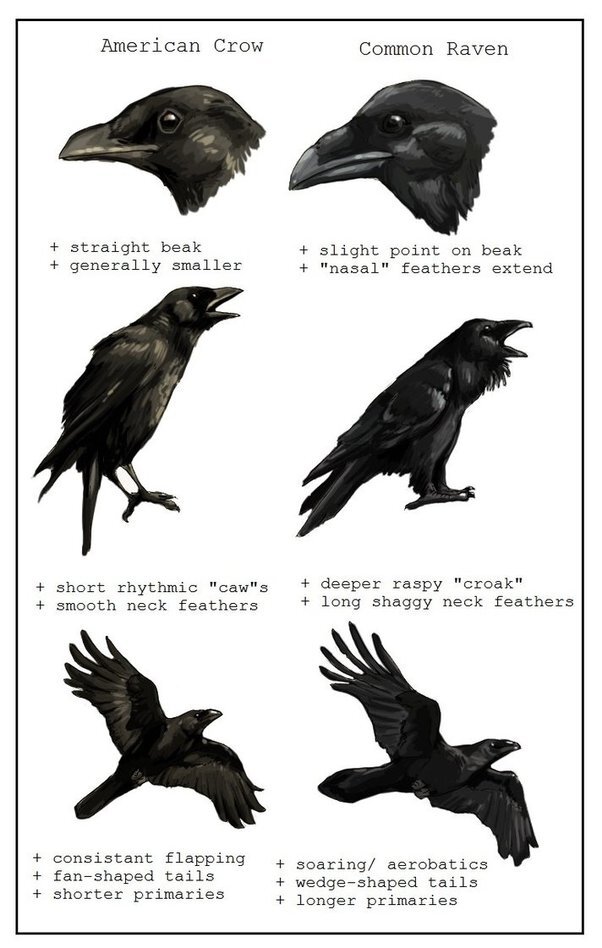
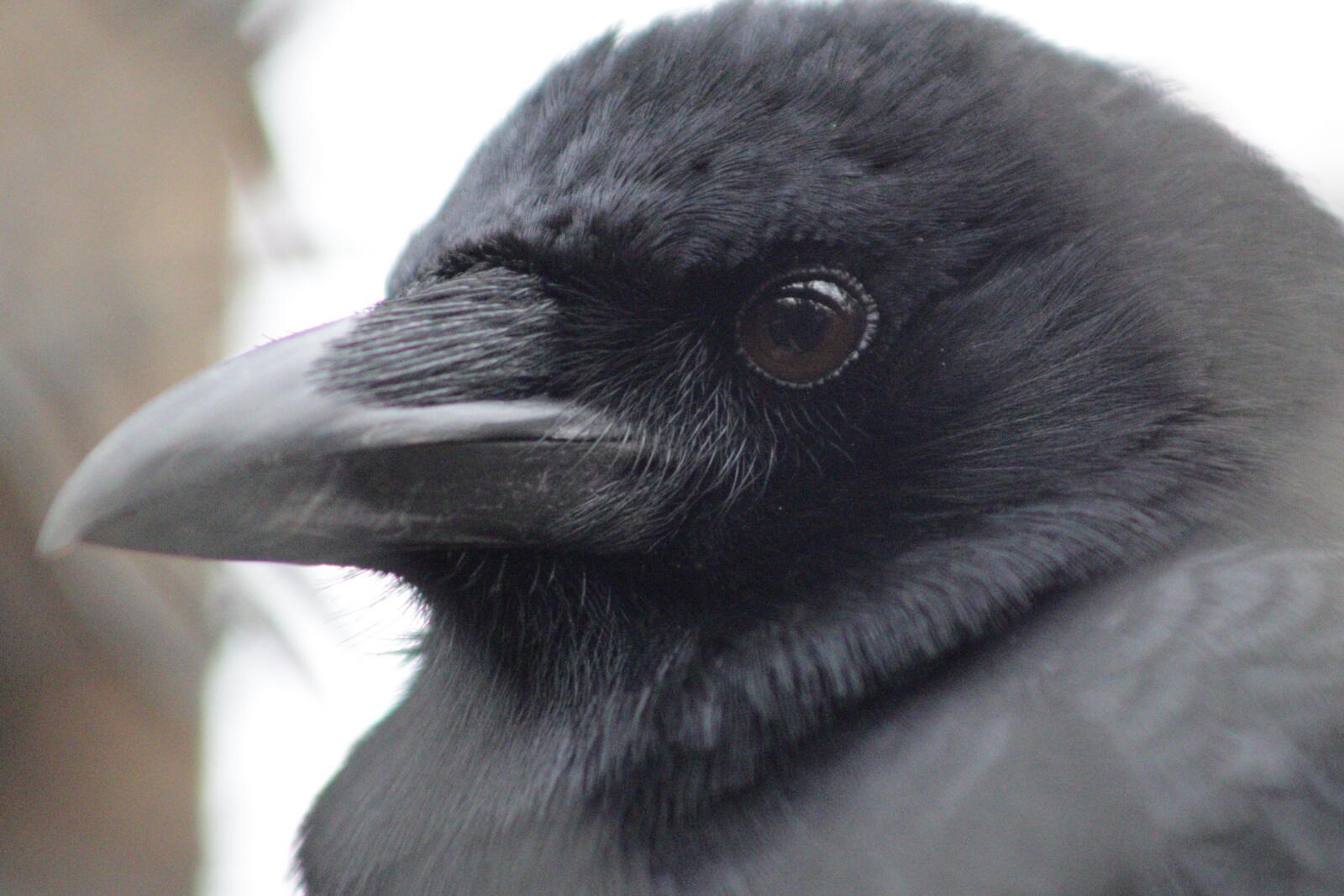
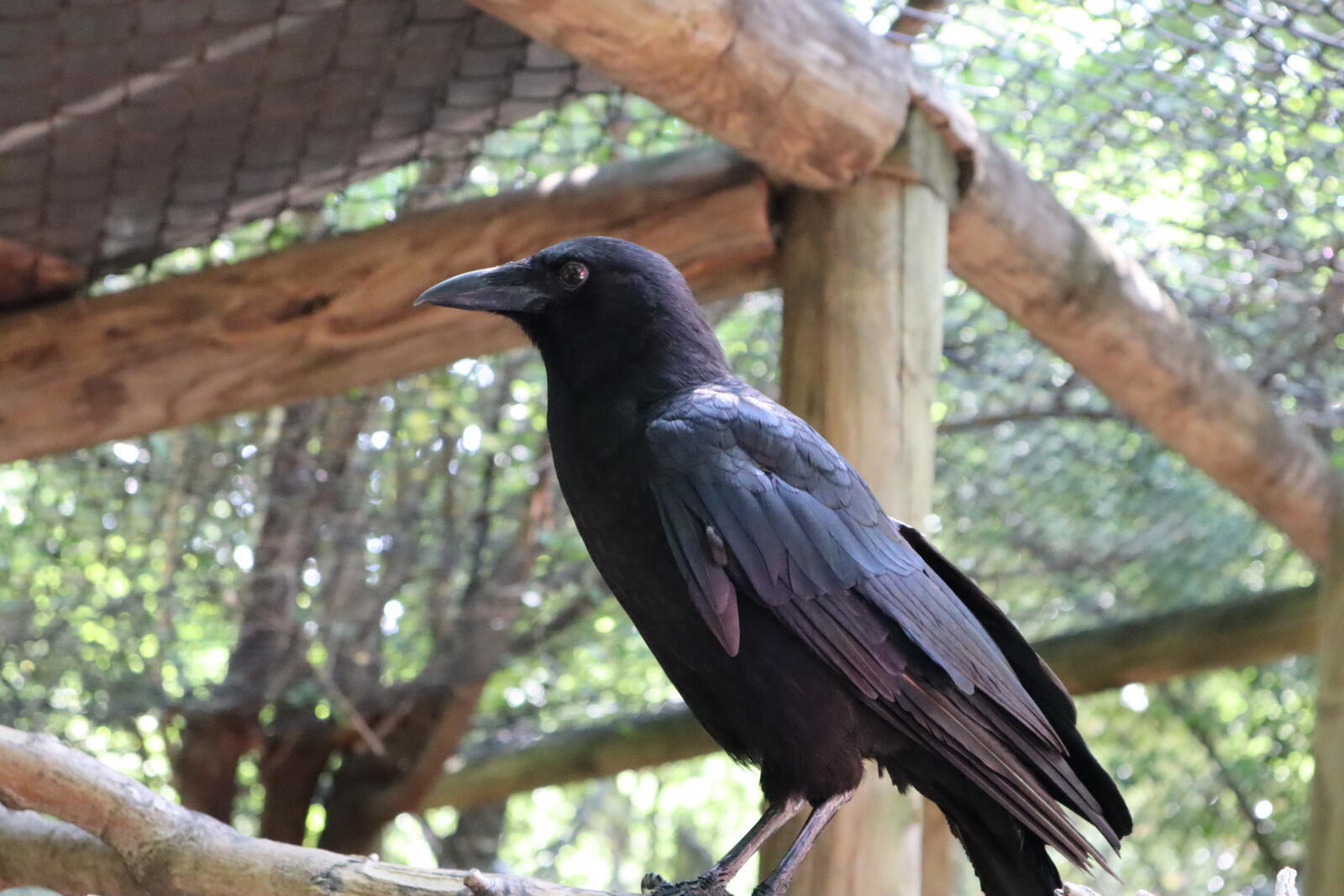
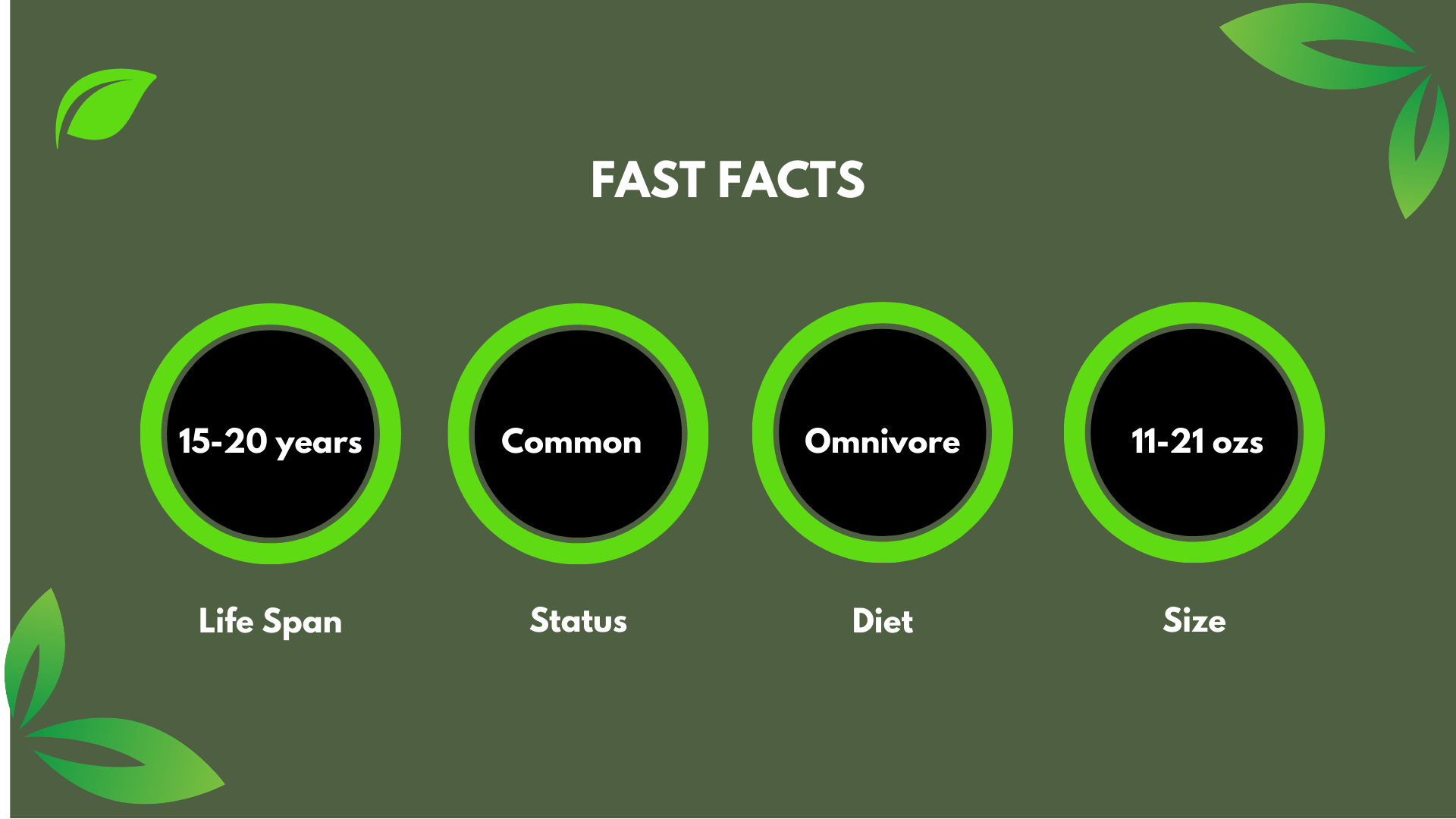
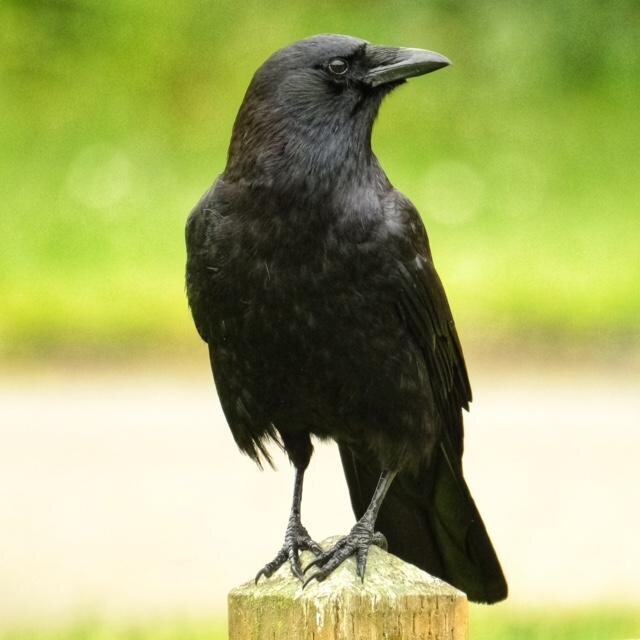
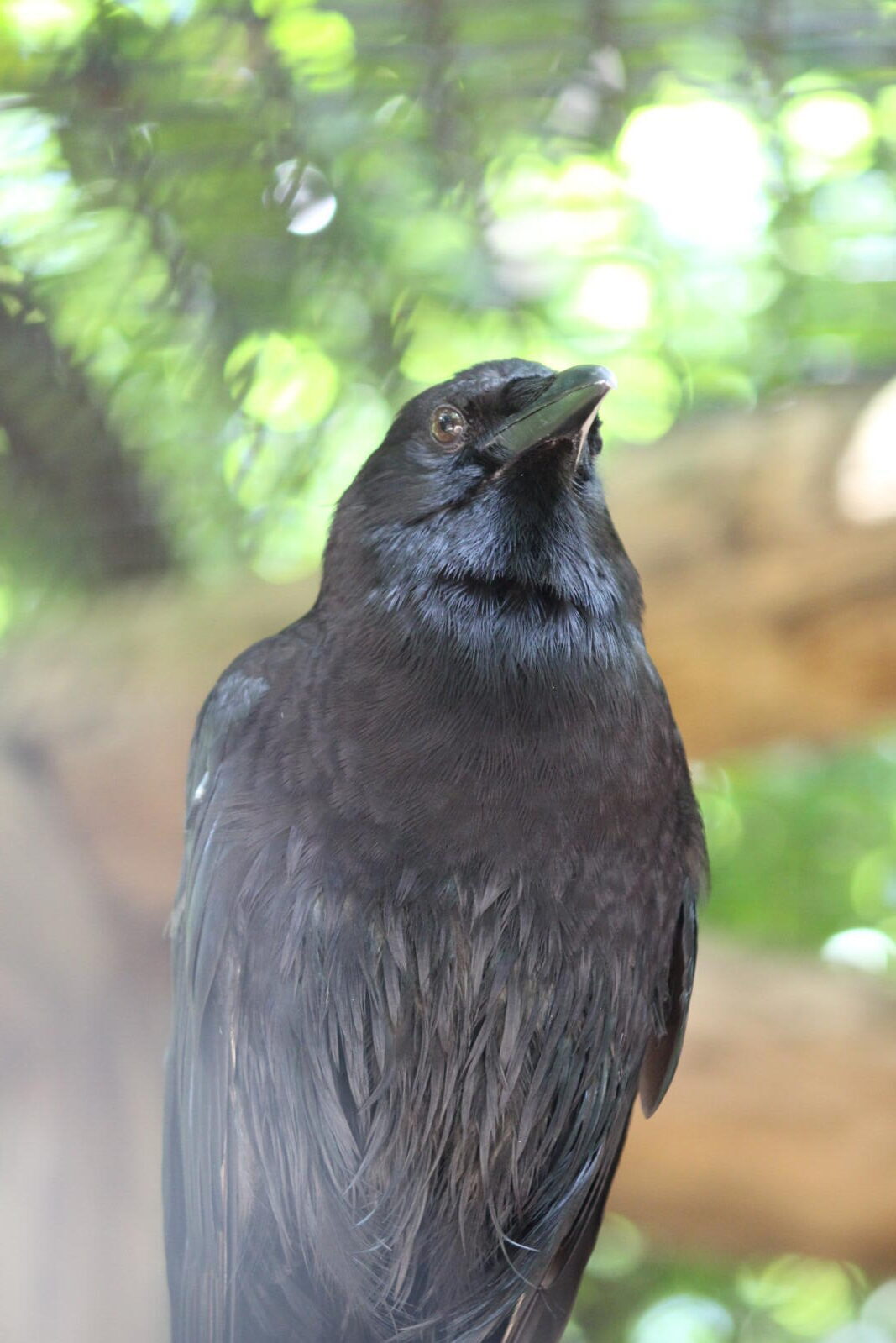
On a bright sunny day, American crows sometimes look dark purple. They are often mistaken for the common raven, but ravens are larger, have differently shaped bills, pointed wings and tails, and hoarser cries. The feathers of the American crow are shiny and their nostrils are covered with rough and stiff plumage.
American crows are diurnal and very sociable birds, usually joining small groups made up of families. As a regular rule, they live in the same place, being permanent residents of the area, defending the home range, and raising young. However, as autumn comes, some crows migrate from northern regions to the south.
Outside of the nesting season these birds often gather in large (thousands or even millions) communal roosts at night. They congregate at dusk on trees and fly to the place of roosting. Along with flying, they often walk on branches of trees and on the ground.
_____________________________________________________________________________________________________________________________________________
Who said that?
You might associate your local crows with a territorial "caw" when you walk by, but they have a wide range of vocalizations. Not only do they coo, rattle, and click (each conveying a different meaning), but they can also mimic human voices and other sounds. Some bird experts believe that the crow’s ability to mimic human voices is rivaled only by the parrot.
Crows don’t really understand what they are saying, but they do mimic words, especially crows kept in human care. Even so, their ability to “say” words can be surprising and unnerving because they can repeat words with the same accent and tone of voice as the person teaching them.
This ability stems from having a large brain, good memory, and being able to imitate various sounds in their natural environment.
.______________________________________________________________________________________________________________________________________
Smart Bird
Did you know that crows are some of the smartest birds in the world?
- Crows can make tools. They are one of only four species that can craft tools: humans, orangutans, chimpanzees and New Caledonian crows. They will find a good stick, sharpen forked twigs into hooks and use it to scoop larvae and worms from holes in wood.
- In Japan, they have been known to use traffic to help crack nuts. Crows have been observed waiting for the light to turn red, then dropping their nut in front of car tires. They fly away when the light turns green, then fly back to get their freshly-cracked nut at the next red light.
- Crow brains are actually large in proportion to their bodies. The weight ratio of their brain to their body can be compared to those of dolphins and great apes.
- Because of their brain size, crows also have a sharp memory, capable of remembering faces, and specific colors of food containers.
- Crows have favorite areas to store their food, placing markers on top of their hiding spots so they can remember where they put the food.
- Some types of food go bad before others, and crows are aware of this fact. They have been observed to eat pieces of meat first, then storing types of food that don’t spoil as quickly, such as nuts or bread.
- A group of crows can also work together to get food. Scientists have documented crows pulling on the tails of predators to distract them, allowing other crows to snatch their food items.
- In exchange for food, crows can solve complex puzzles. In one experiment, the puzzle consists of a container, some water, and a floating food item deep inside the container, too low for the crows to reach. The crows dropped sinking items into the containers, and the rising water level allowed them to get the food inside. While doing so, they largely ignored items that didn’t sink.
- You have to be careful not to treat crows badly, because they have the ability to remember human faces and remember whether that face presented a threat or a benefit. Once you make an impression on a crow, it can remember your face for up to five years.