Cape of Africa
Cape Porcupine

Did you know...
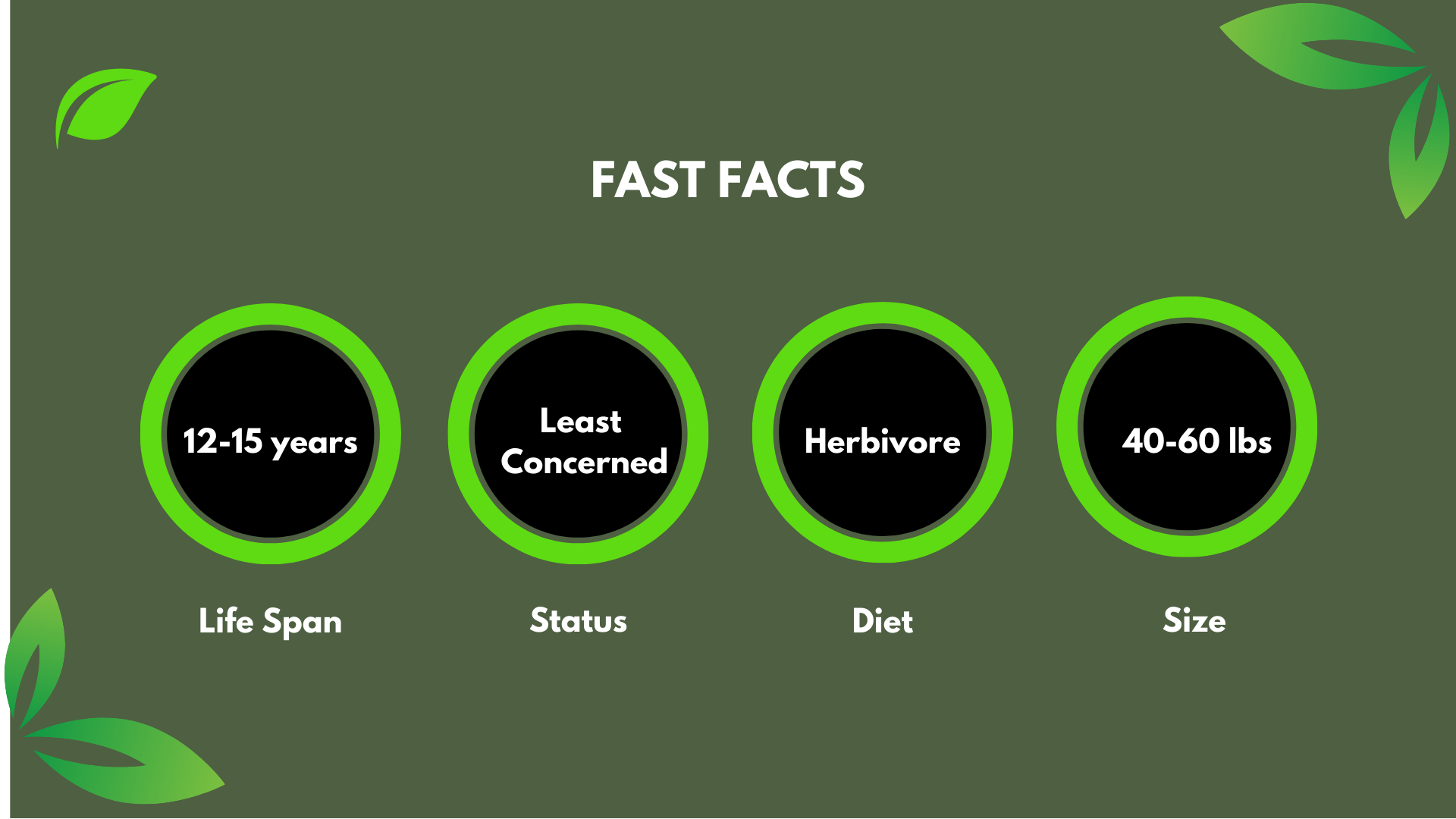
The Cape Porcupine is the largest porcupine species in the world!
.
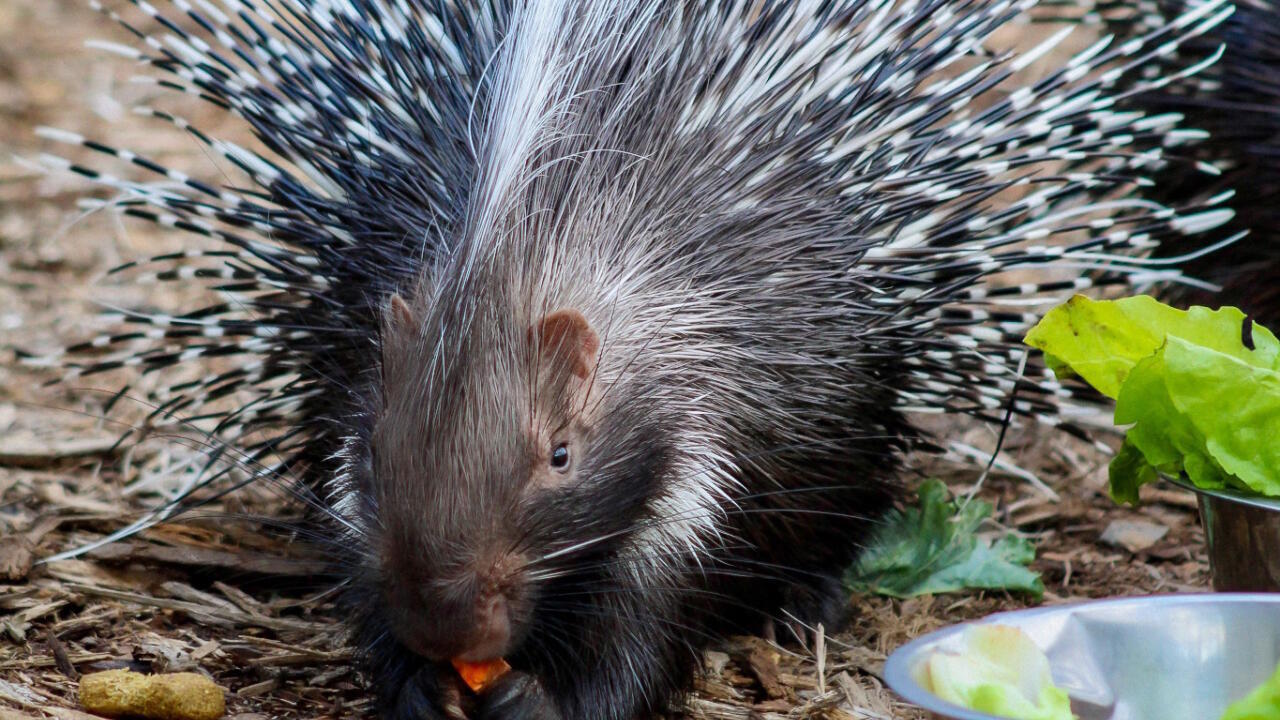
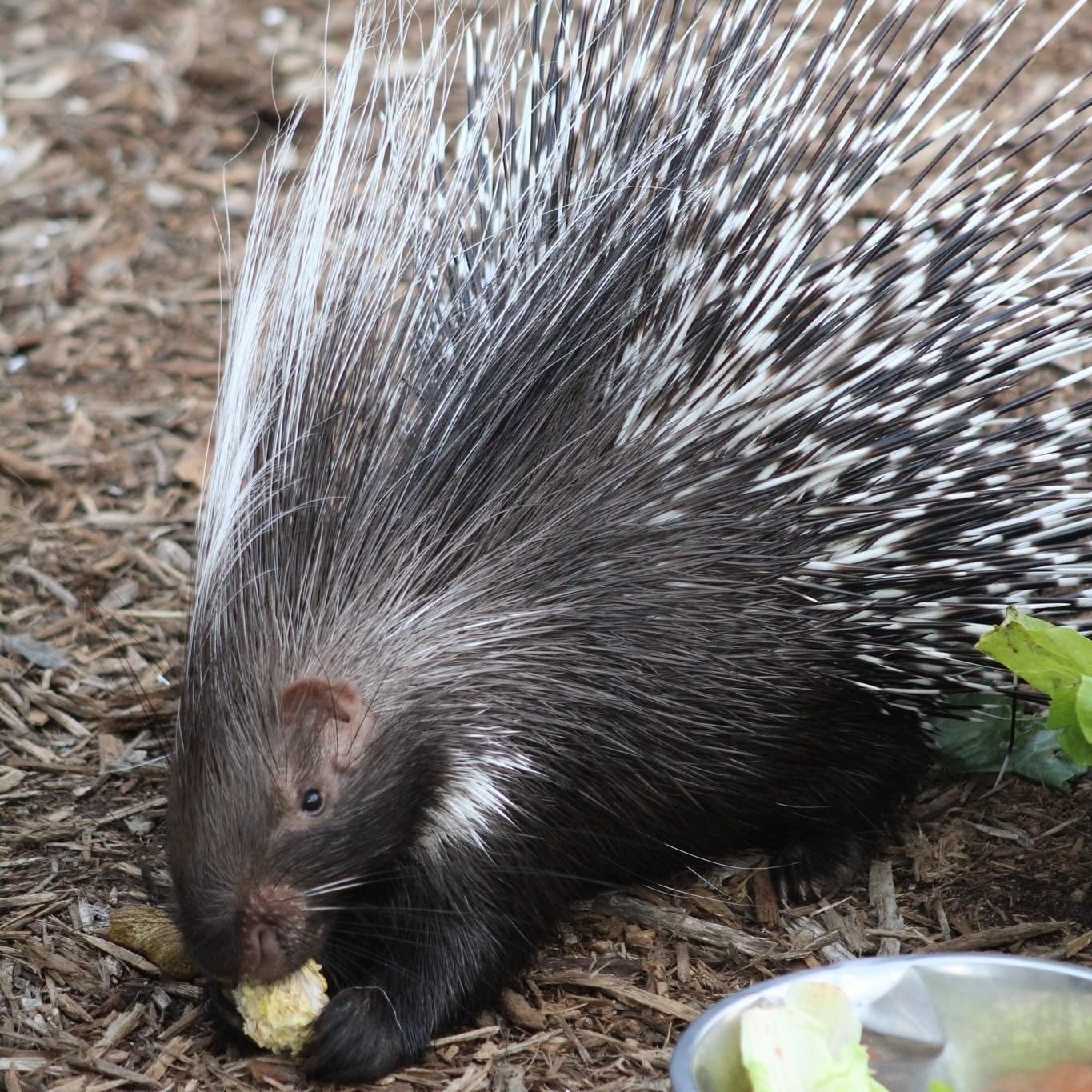
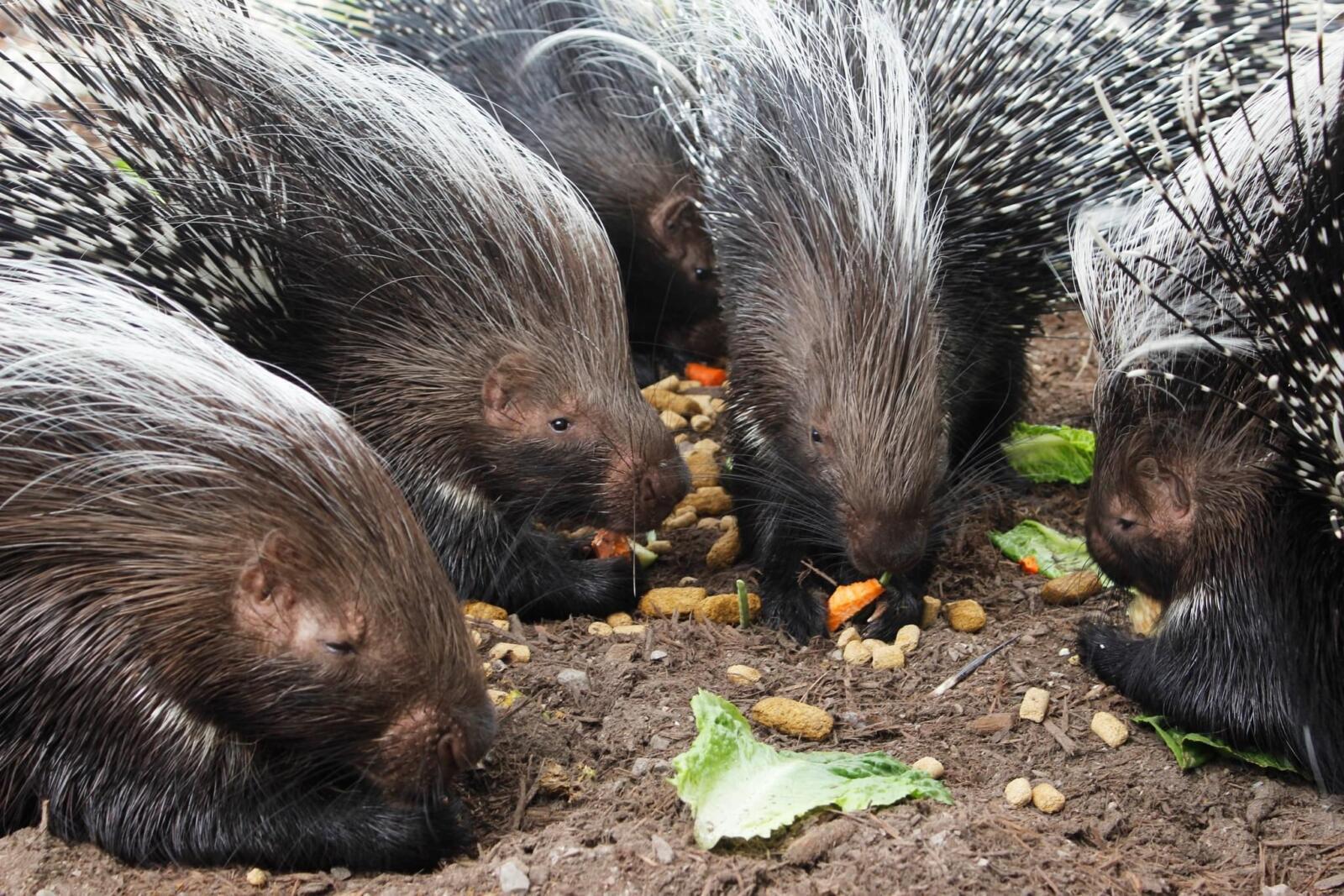
South African porcupines are the largest African species of rodent. Rodents are mammals including rats, mice, porcupines, beavers, and more. Rodents, such as our African crested porcupines, have ever growing front teeth (called incisors). Because of this, they must grind their teeth down to prevent them from growth into the mouth which would prevent them from being able to eat.
Usually nocturnal, Cape porcupines shelter during the day in caves, rock crevices, hollow logs, or extensive burrows they themselves dig. Cape porcupines play a positive role in their ecosystem by foraging and turning soil. Their foraging contributes to the maintenance of the plants and opens up soil surfaces, which allows water to seep into the ground to promote new growth.
_________________________________________________________________________________________________________________________________

Porcupettes
A baby porcupine is called a porcupette. Porcupettes are born with quills, but luckily for the mother, these quills are soft and only harden a few hours after birth. This quick hardening protects the baby from predators early on. Little porcupettes weigh about a third of their mother’s weight. The baby will suckle from its mother for 4-5 months. During this time, they’ll learn to forage for themselves. The young porcupine will only stay with its parents for a couple of months, before heading off on its own and beginning a solitary life.
Chattanooga Zoo participates in the Species Survival Plan for these porcupines. Our male (Tommy), and female (Pookie) have been very successful and have produced six porcupettes as of mid 2024 to help this species from not becoming extinct in the wild.
______________________________________________________________________________________________________________________________________

Rattle Quills
All porcupines, big and small, have the same average number of quills--approximately 30,000. Porcupine quills are made out of the same material as our hair, keratin, and similar to our hair, their quills also fall out and grow back.
Porcupines have muscles at the base of each quill that allow them to stand up when the porcupine is excited or alarmed.
Contrary to popular belief, porcupines do not shoot out quills. Instead, when a porcupine feels threatened it will raise and rattle its hollow quills on the tips of their tails, and stamp its feet. If scaring it doesn't work, they turn backward, and run into the attacker. As a warning, they ward off enemies by shaking hollow quills on the tips of their tails.