Gombe Forest
Chimpanzee

Did you know...
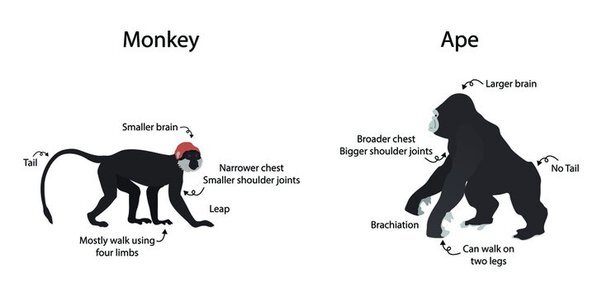
Monkeys have tails and apes don't? Chimpanzees do not have a tail and therefore are apes. While there are always exceptions in the animal world, this is generally true. But there are a few tailless monkey species such as the Barbary macaque.
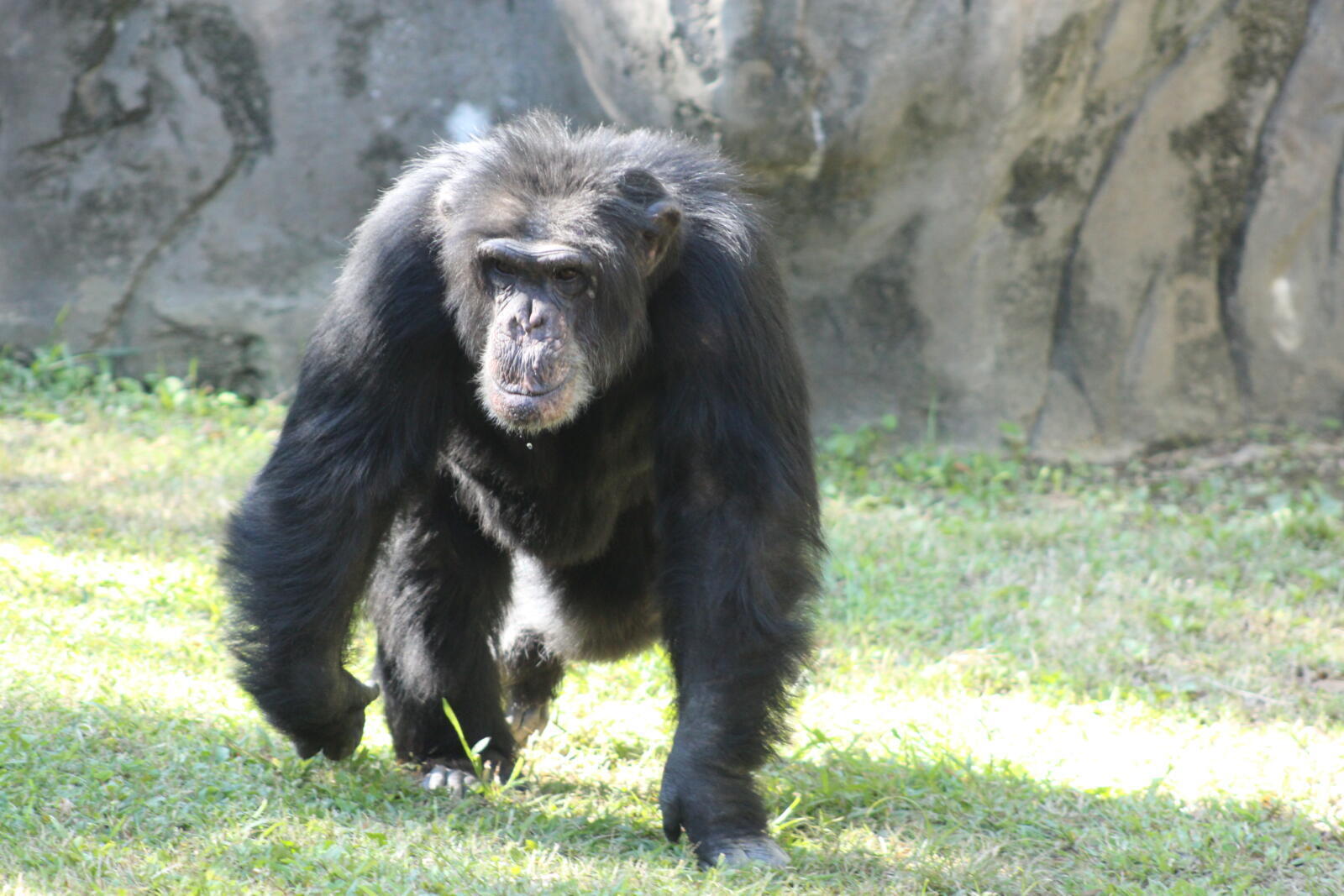
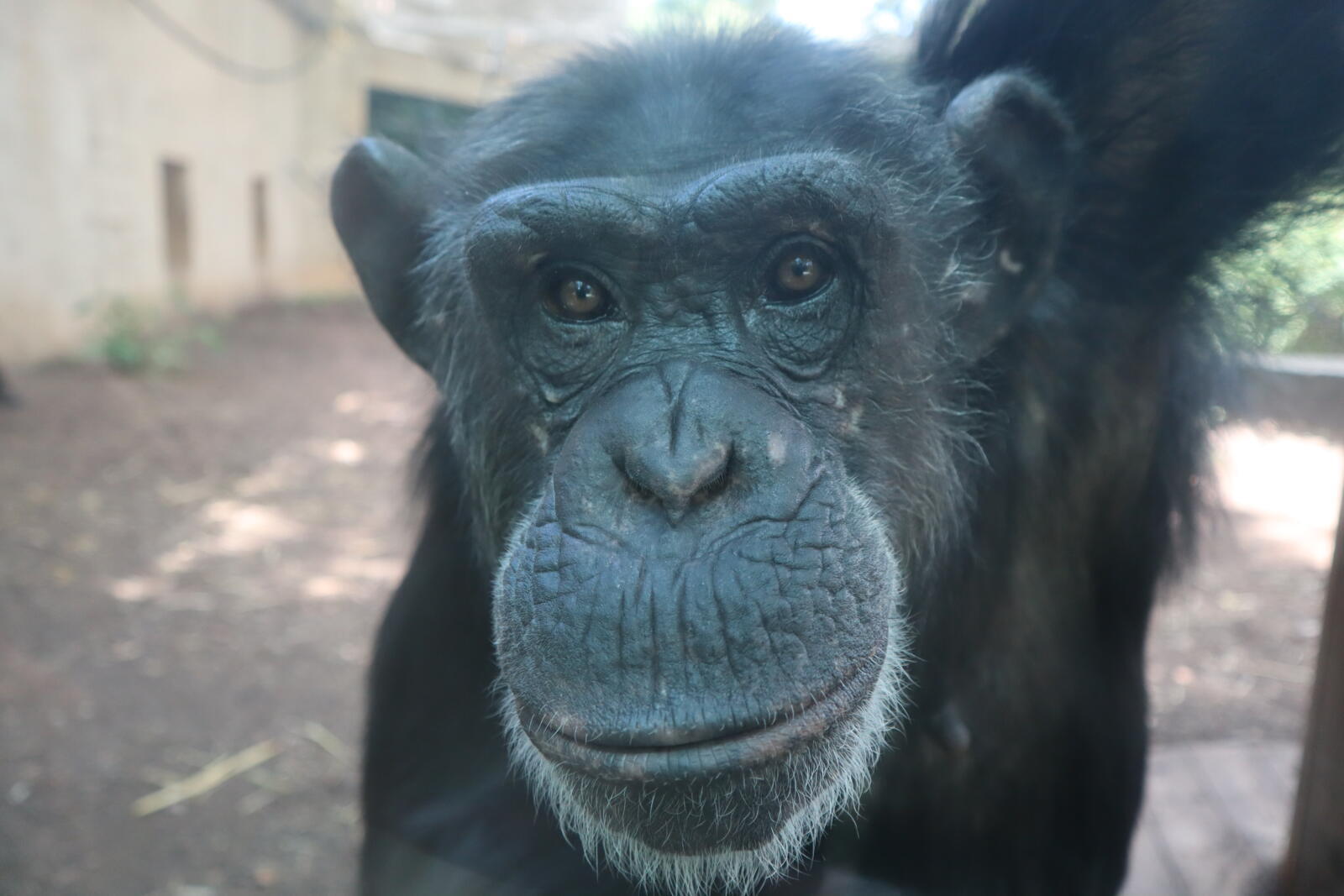
Chimpanzees communicate using gestures, facial expressions, and vocalizations and even laugh when they play. They have no hair on their face, hands, or feet, but the rest of their body is covered with either long black or brown hair. And they have large ears that stick out a bit, which helps them hear other chimps in a dense forest. Like humans, chimps have opposable thumbs that help them grasp branches or grab a bite to eat, as well as fingernails and toenails. At night, they build sleeping nests in trees using carefully selected branches and leaves.
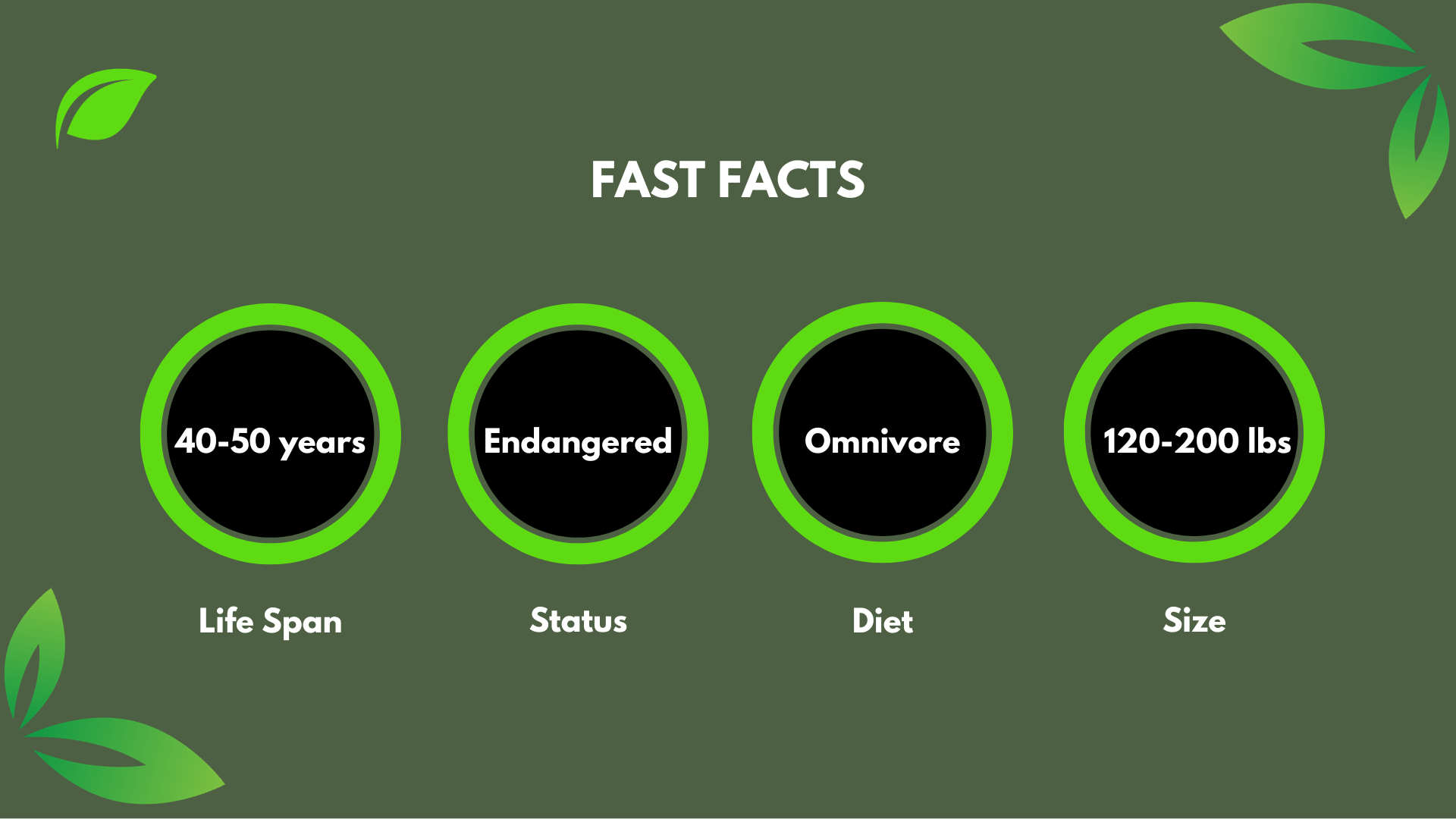
Chimps are omnivores and eat a wide variety of food. Scientists have recorded about 80 different items they eat, including seeds, fruit, leaves, bark, honey, flowers, and insects. However, chimps also hunt other wildlife, like monkeys or small antelope, for meat. Chimps are famous for using tools to get food. They often strip a branch of its leaves and then dip it in an ant or termite hill to get to the insects inside. When water is scarce, chimps chew leaves so they are soft and then dip the spongelike wad of leaves inside tree holes where rainwater has collected.
_____________________________________________________________________________________________________________________________________________________
Chimp Chats at the Zoo
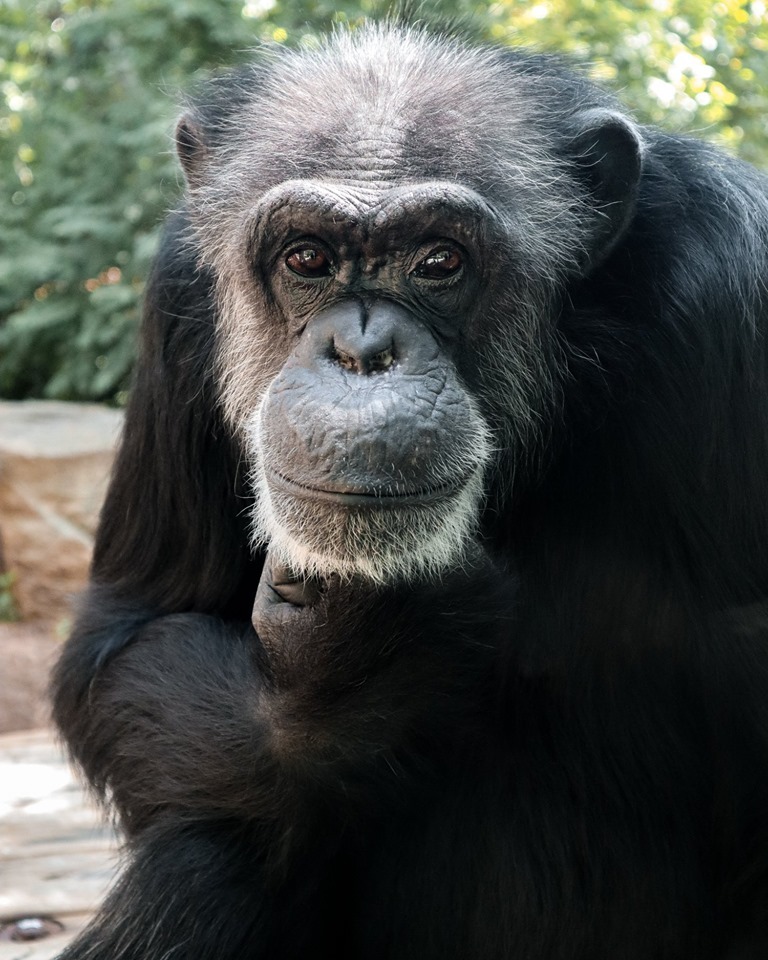
Want to get to know the chimp group at the Zoo a little better? Learn fun and interesting facts about our troop with their Keepers everyday at 1:30 pm. The keepers demonstrate how they use the natural behaviors of the chimps to assist the Keepers in caring for them.
Click here to learn more.
_____________________________________________________________________________________
How chimpanzees are being helped in the wild
There are several organizations dedicated to helping chimpanzees from becoming extinct in the wild. According to the Jane Goodall Institute, in 1900, there were approximately 1 million chimps living in the wild. Today, there are as few as 340,000.
World Wildlife Fund protects chimpanzees through antipoaching and effective law enforcement, help governments establish and manage national parks, monitor chimp populations, encourage sustainable use of forest resources, and build partnerships between neighboring countries. They also develop chimpanzee-focused ecotourism and work to stop illegal poaching by logging companies.
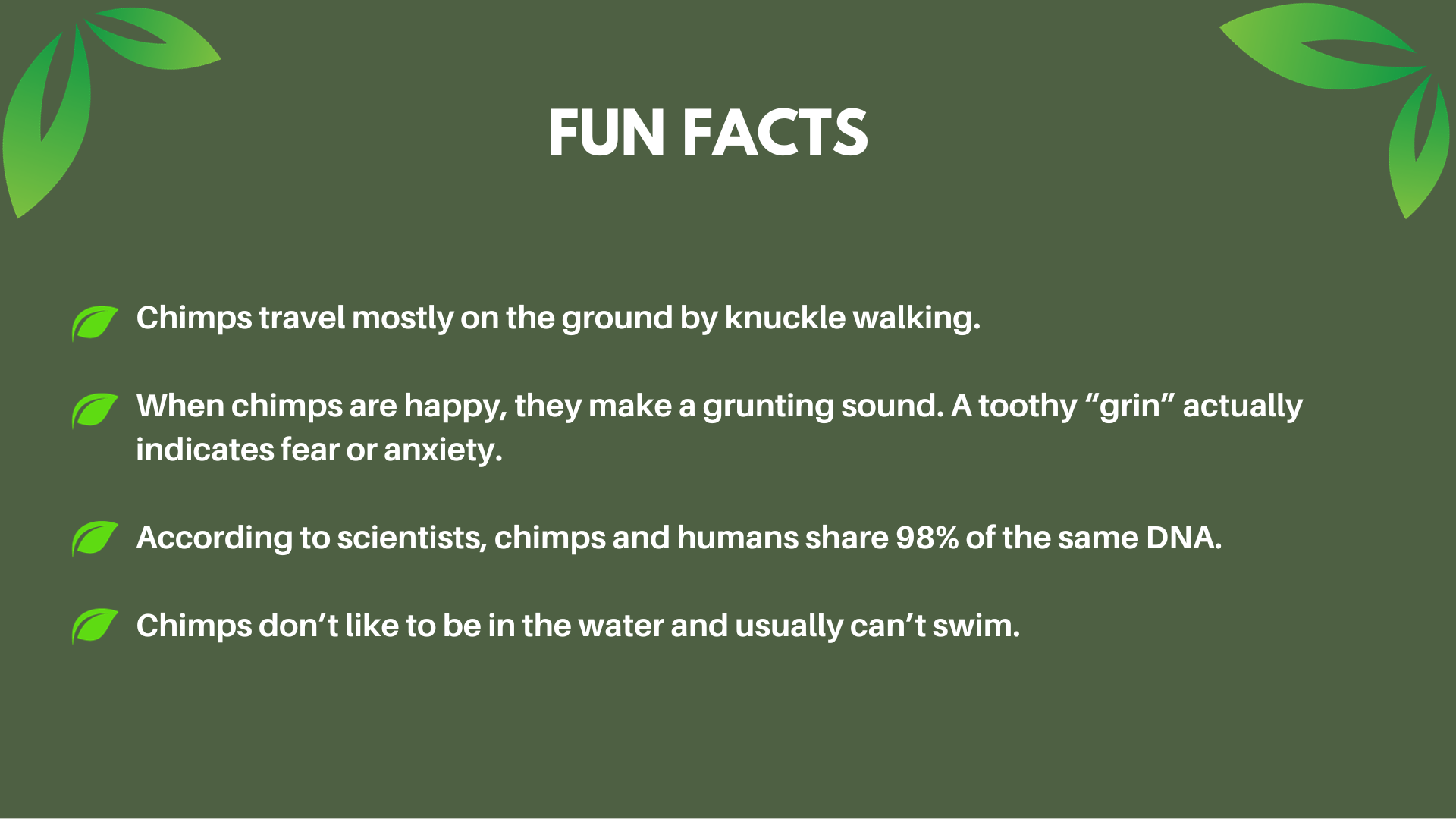
Because chimpanzees and humans share 98% of the same DNA, this made them favorable for biomedical research. However, using chimps in research has waned since 2013, when the National Institutes of Health announced that it would phase out most government-funded chimp research and retire the majority of its research chimps to sanctuaries. This was how chimps came to the Chattanooga Zoo when a research facility in Atlanta needed to "rehome" their research chimps. The most recent achievement was when U.S. Fish and Wildlife Service stated that all U.S. chimpanzees, including the more than 700 chimps used in research, would be classified as endangered under the Endangered Species Act (ESA). Any research labs that wished to continue invasive work on these animals would need to apply for an ESA permit, and permits would only be allowed for work that enhances the survival of the species and benefits chimpanzees in the wild.
How you can help chimpanzees
- Donate or volunteer at organizations like World Wildlife Fund and Jane Goodall Institute, which work with local communities to protect chimpanzee habitat and ban the illegal poaching for bushmeat of chimps.
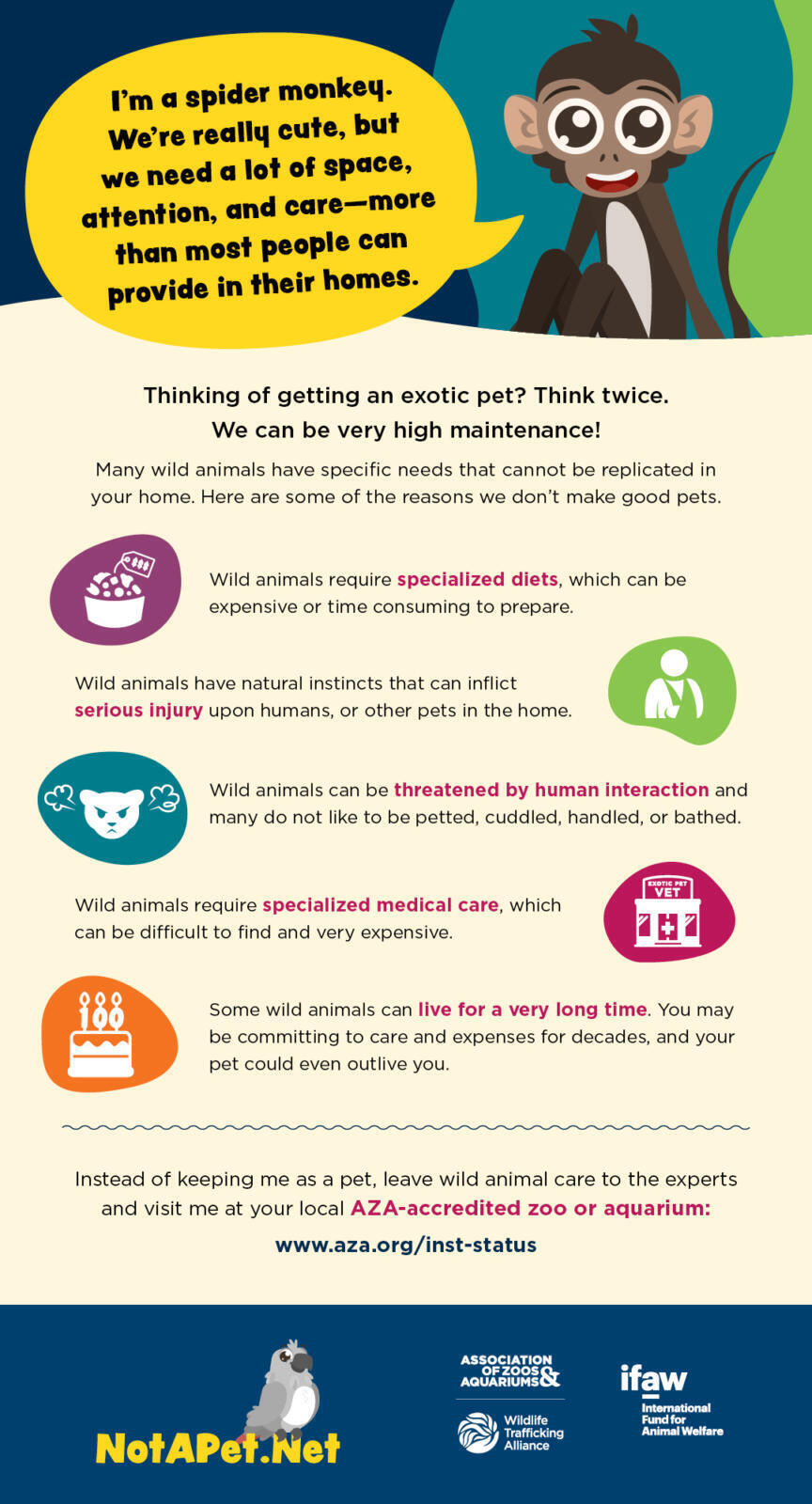
- Don't share or like social media content that depicts cute exotic animals as pets, animals wearing human clothing, or wild animal interactions with humans. Doing this unintentionally reinforces using exotic animals for self interest and/or profit and brings positive attention to inappropriate ownership of wild animals creating a "need" for more.
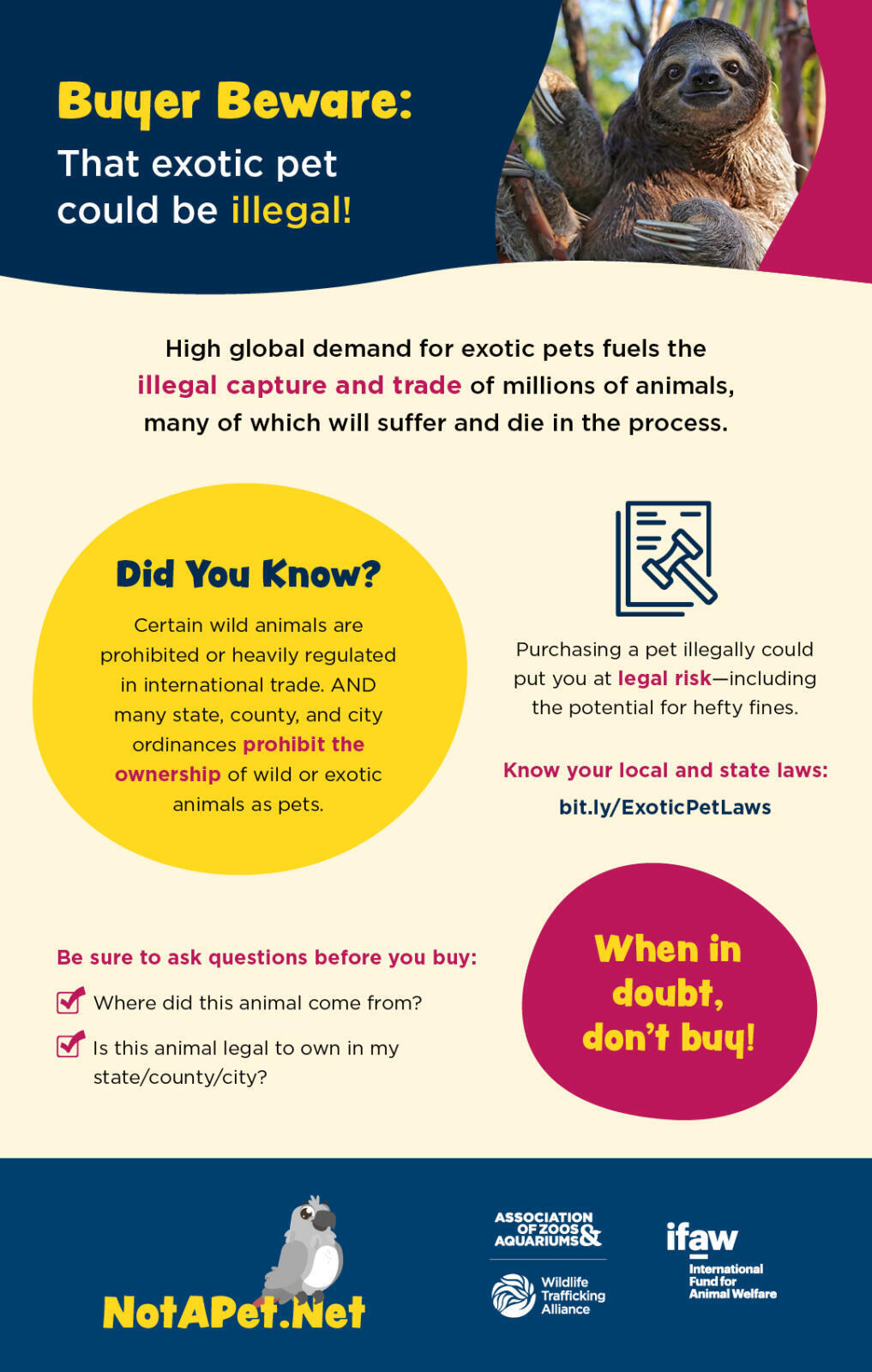
- If you do decide to legally purchase an exotic animal, know your local, state, and federal laws that pertain to the commercial trade and ownership of the animal you are considering buying. Understand the potential disease risk to you and any other animals that you may have in your home. Ensure you have the time and resources necessary for the survival of the animal. Ask the seller about the origins of the animal before considering buying. When in doubt, don't buy it!
- Symbolically Adopt a chimp at the Chattanooga Zoo. 100% of proceeds from each adoption package support animal care, education programs and wildlife conservation for endangered and threatened species. As an animal adopter, you play an important role in supporting the Zoo and our mission of understanding wildlife by creating connections between people and animals.
- Visit the Chattanooga Zoo chimps. Your ticket purchase helps to support Chattanooga Zoo's mission to conserve all animals making you an important partner.