Walkin' The Tracks
Cougar
One cat. Many names.
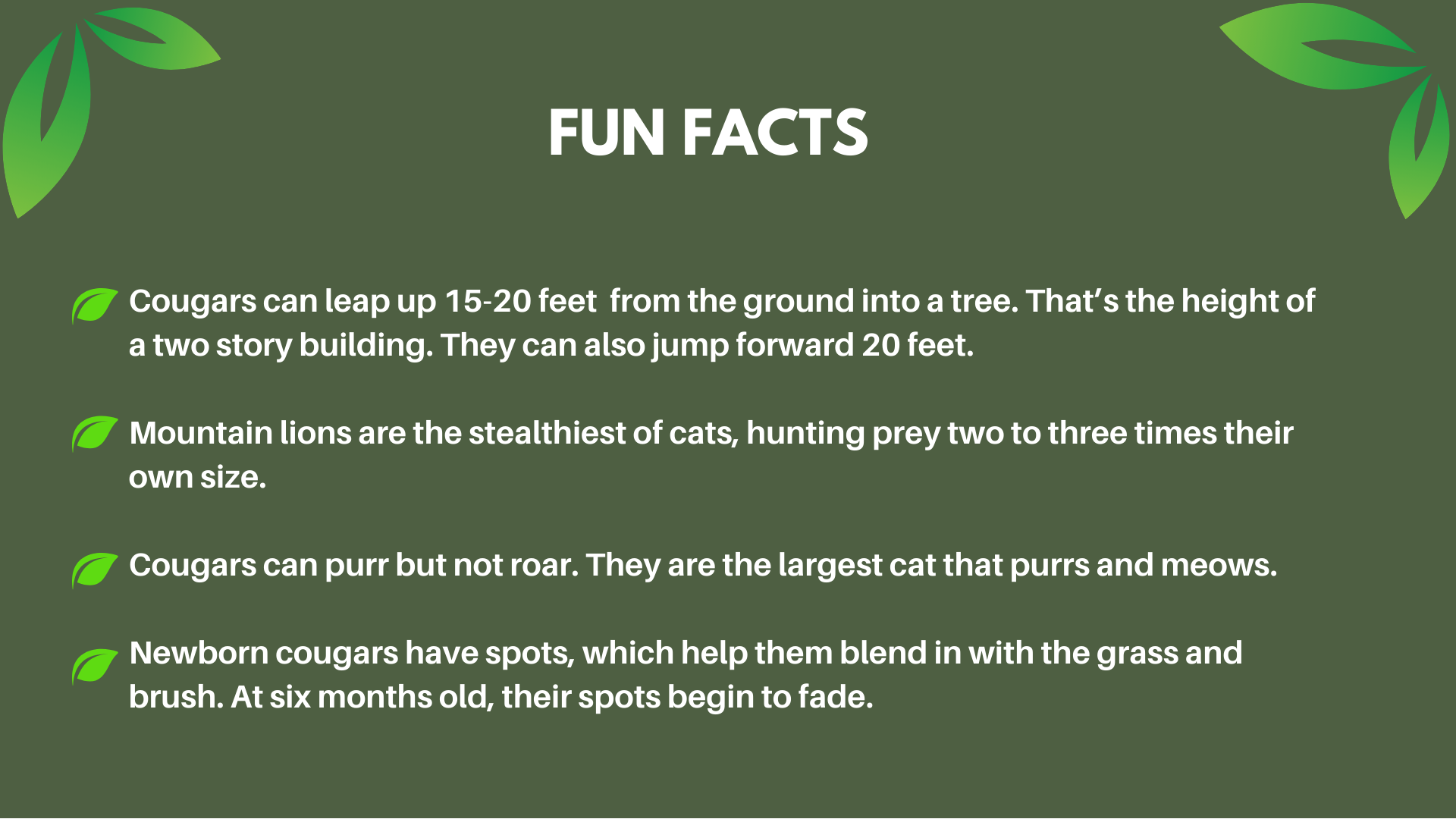
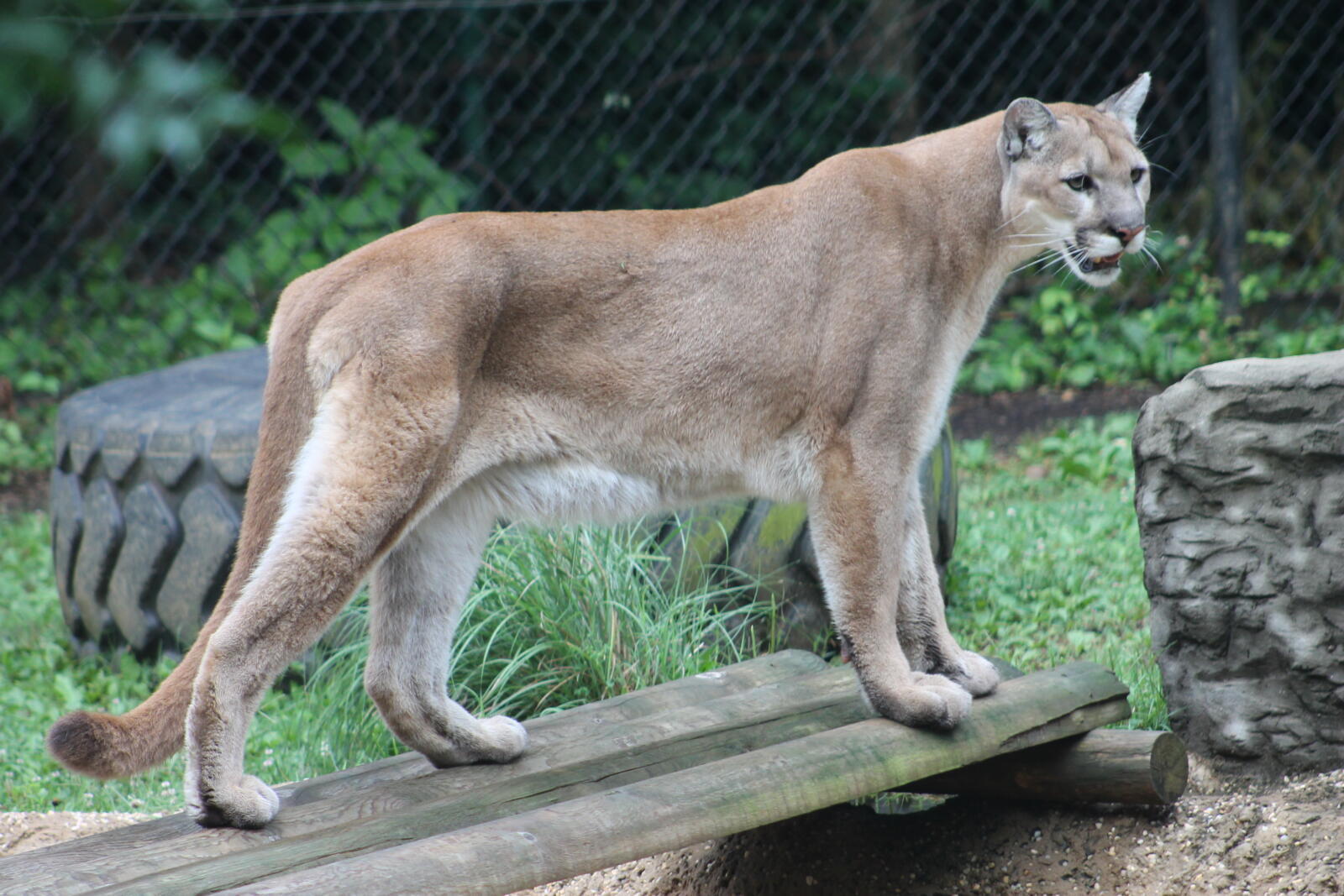
According to the Guinness World Record, the mammal with the highest number of different names is the cougar (Puma concolor). In the English language alone, it has over 40 names. Some more popular ones are puma, panther, mountain lion, and catamount.

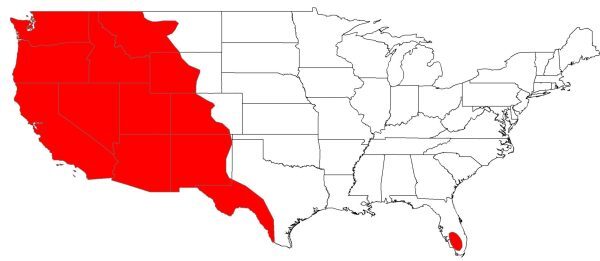
Cougars are the most wide-ranging cat species in the world and are found as far north as Canada and as far south as Chile. In the U.S., they are mostly found in the western states. There is an estimated 100 Florida panthers left in the everglades of Florida. They live in a variety of habitats in forests, prairies, deserts, and swamps. They are very adaptable and the reason they can live in most habitats and climates.
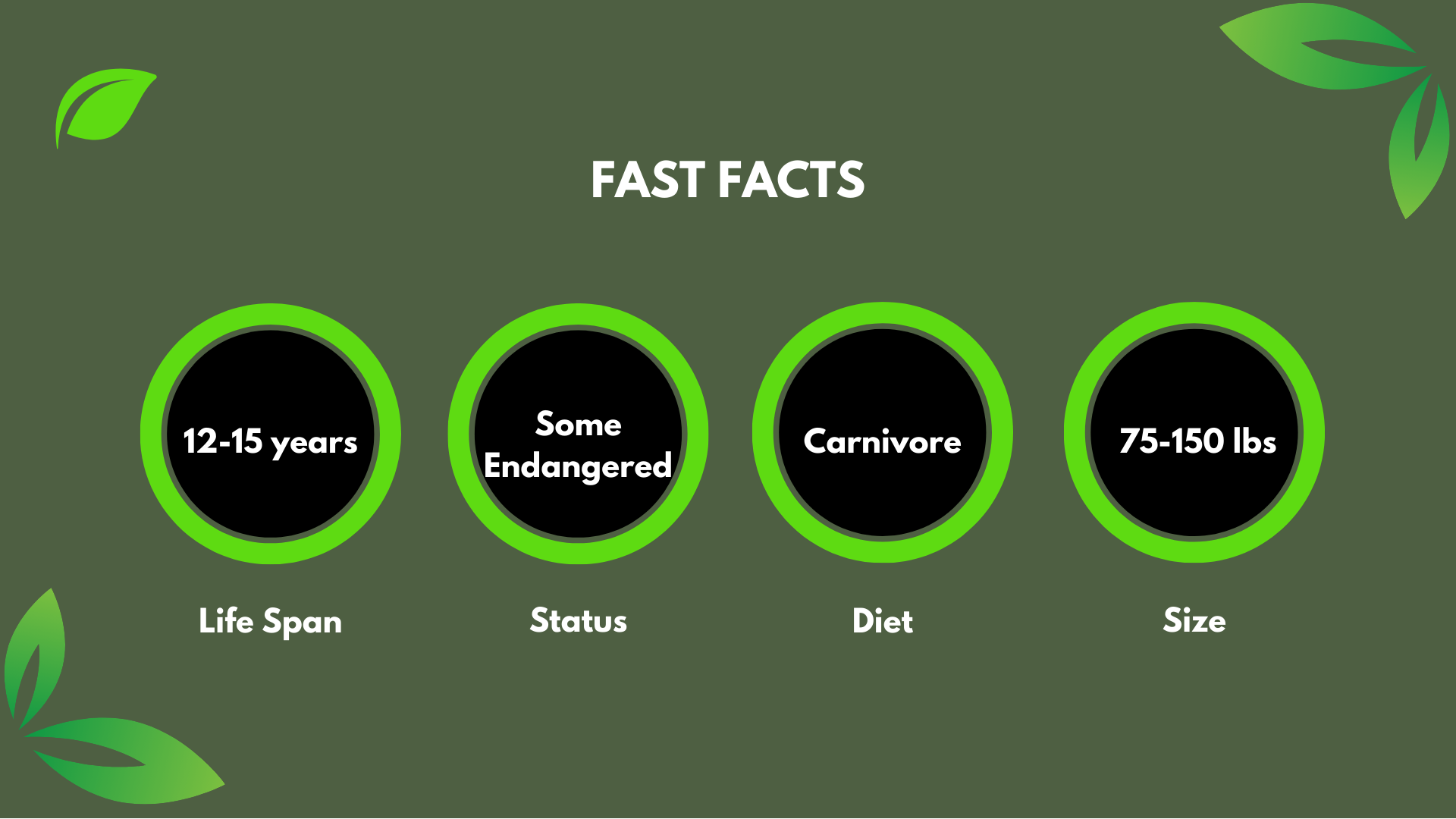
Cougars are carnivores, meaning they only eat meat. They have large canines and sharp, carnassial teeth (molars) for shearing and tearing flesh. They also have retractable claws, which they use to climb trees and capture prey. Their preferred prey are deer and elk and play a key role in keeping the deer and elk numbers in check. Because of this, they are known as a keystone species that their ecosystem largely depends on. If they were removed, the health and function of the entire ecosystem would change drastically.
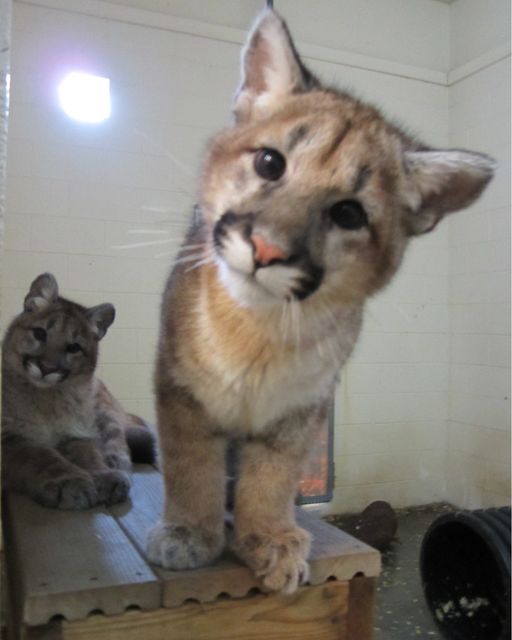
Chattanooga Zoo's Cougars
The Chattanooga Zoo has two cougars, CJ and Montana, born in the wild in 2012. When they were very young, they were found in a chicken coup in Montana by a homeowner. There was no sign of the mom and they were near starvation. They were taken in by Montana Fish and Wildlife Services and sent to the Oregon Zoo. There they were rehabilitated back to health but did not have the wild survival skills they would have learned from their mom, so they couldn't be reintroduced into the wild. They came to live at the Chattanooga Zoo when they were about three months old. They are very bonded to each other and we are assuming since they were the same size when found, they are brother and sister. Today, CJ and Montana are both healthy and active cougars that serve as ambassadors to their cousins in the wild teaching our Zoo guests all about these marvelous cats.
How you can help cougars in the wild
- Donate or volunteer at organizations like National Wildlife Federation and the Cougar Fund, which work with local communities to protect cougar habitat, advocate for, and ban the hunting and poaching of them.
- Volunteer at Chattanooga Zoo. As a volunteer you can talk with our Zoo guests about the Zoos cougars and share their information in hopes to foster an awareness and appreciation to help conserve cougars in the wild.
- Symbolically Adopt a cougar at Chattanooga Zoo. 100% of proceeds from each adoption package support animal care, education programs and wildlife conservation for endangered and threatened species. As an animal adopter, you play an important role in supporting the Zoo and our mission of understanding wildlife by creating connections between people and animals.
- Don't buy any products made from animal fur, skin, bones or organs. By purchasing these items you are helping to create a demand for these products.|