Walkin' The Tracks
White-tailed Deer
Oh Deer
Every state in the United States has white-tailed deer, except for Alaska and Hawaii. The world population of white-tailed deer is estimated at over 10 million. There are between 35 -36 million white-tailed deer in the United States. There are at least 14 subspecies of these deer living in Central and South America. There are also white-tailed deer in Canada. It is estimated that at least 40,000 white-tailed deer live in Ontario, with more found in other providences. That's a lot of deer!

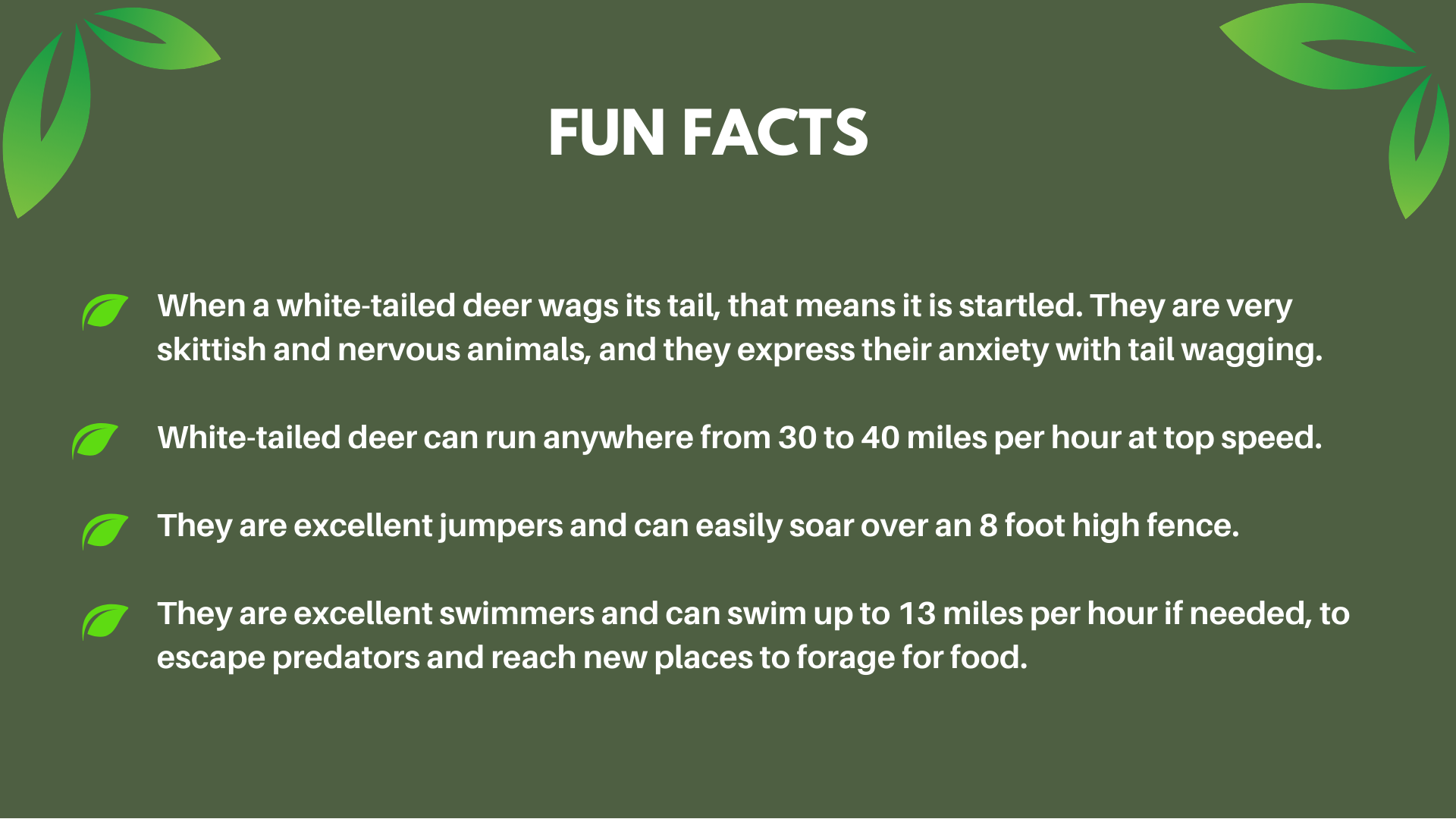
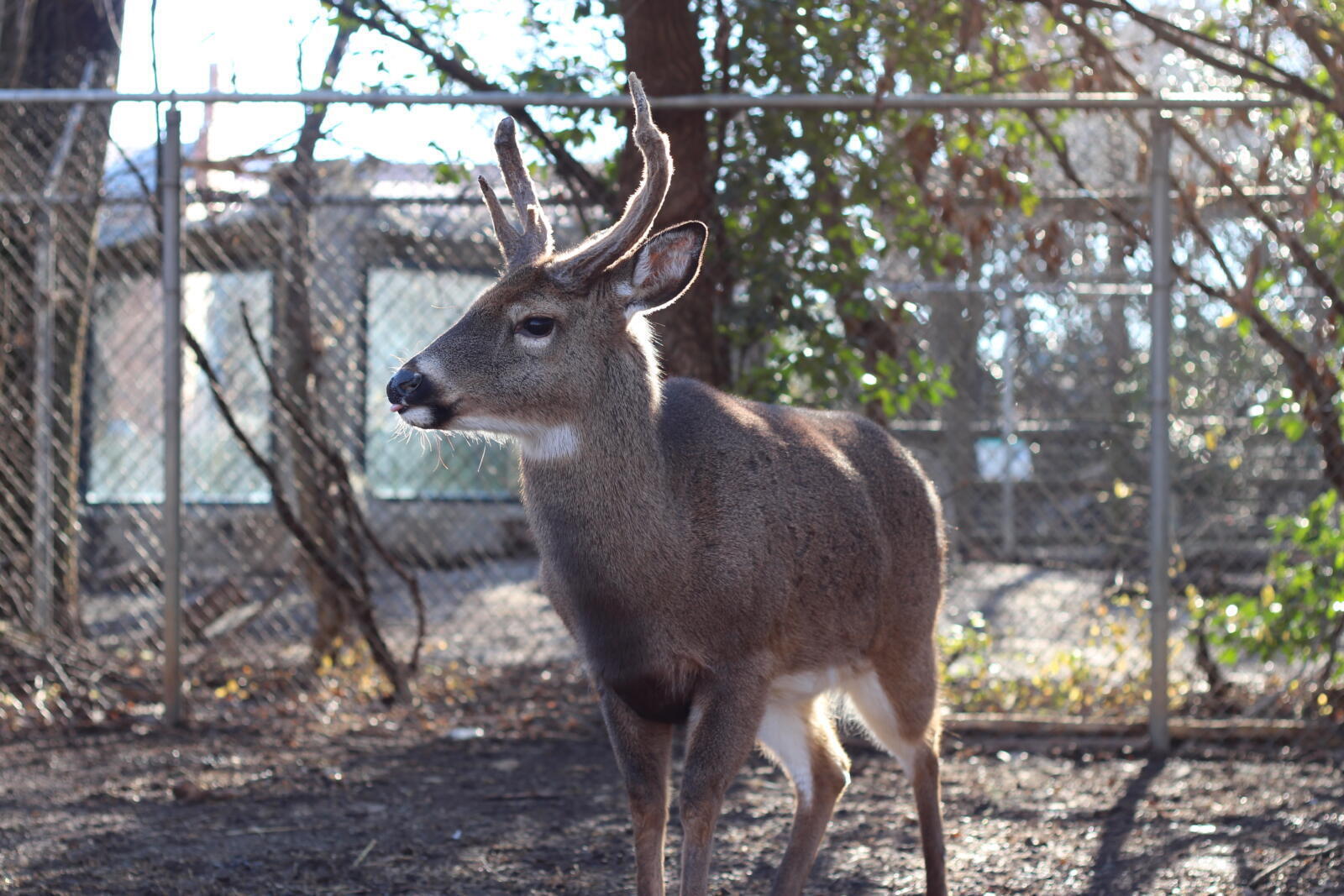
The coat of the white-tailed deer is reddish-brown in the spring and summer and turns to grey-brown throughout the fall and winter. The deer can be recognized by the white underside on their tail. They raise their tail when alarmed to warn predators that they have been detected.
All the white-tailed deer senses work well but their sense of hearing and smell are the strongest. White-tailed deer can move their ears to face different directions, allowing them to hear all around them without turning their head. Their ears can hear frequencies higher than what humans can hear. They have a great sense of smell, too. They can pick up the scent of predators from far in the distance. They will lick their noses to keep it moist, which makes odors stick to it to improve their ability to smell.

Predator or Prey Eyes
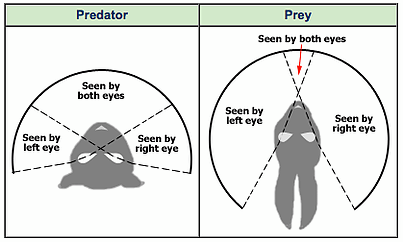
The eyes of deer are situated on either side of the head instead of in the front, which gives the animal a wide field of view. Deer are a prey species, not predators. Predator's eyes are on the front of their head giving them the ability to focus in on and target their prey.
Eyes on front - animal hunts.
Eyes on side - animal hides.
___________________________________________________________________________________________________________________________________________________
Oh Baby
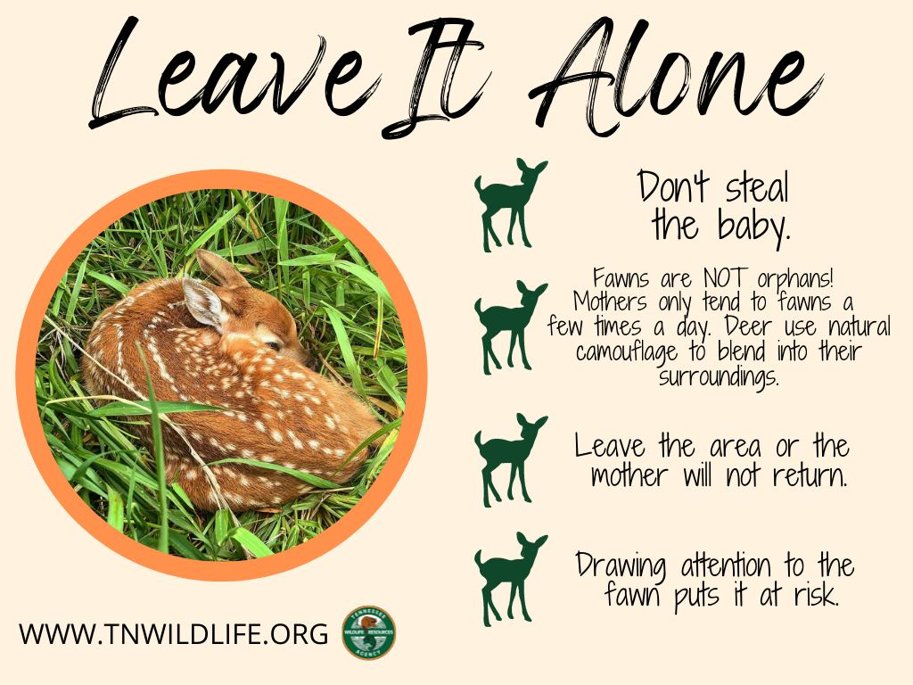
Here in Tennessee, white-tailed deer give birth to their fawns typically around late June. To protect themselves from predators, fawns are born with white spots that provide camouflage. The white spots help them blend in with the sun-speckled ground. Fawns typically lose these spots around 90 to 120 days old.
Moms "park" their babies in the grass and leave them while she goes off to feed. A young, weak-legged fawn draws attention from predators when they are walking around. Moms return to where she parked them to nurse the baby. People approaching a baby deer can scare it or cause it to run, which could put it in danger or impossible for the mother to find. Many people assume the baby has been abandoned when they don't see the mom and with best intentions "kidnap" the baby trying to help. The best advice is to enjoy the experience, but leave the fawn alone.
Remember these tips from Tennessee Wildlife Resources Agency:
LEAVE BABY DEER ALONE!
• It's Illegal to take a fawn from the wild. When you remove a fawn from the wild, you have stolen the baby from the mother.
• Fawns left alone are not orphans! Mothers leave fawns alone to rest, eat, and hide the babies from predators.
• When fawns are approached, they lower their heads, lie very still, and take fewer normal breaths, natural defenses. The fawns are not sick or injured.
• Keep your distance. A doe won't return if humans are hanging around. Mothers perceive you as predators and will not return while you're nearby.
• Fawns have an excellent chance of surviving if you leave them alone.
• Humans have well-meaning intentions to care for a fawn but be educated and do what's best for the fawn.
_____________________________________________________________________________________________________________________________________