Warner Park Ranch
Domestic Goat
Did you know...
Different goat species are used for different purposes--- milk, meat, and fiber.


With approximately 450 million animals worldwide and 200 distinct breeds, goats are among the world’s most numerous domestic animals. They are used for three main resources---dairy, meat and fiber. However, bush control is becoming more and more popular in the U.S.
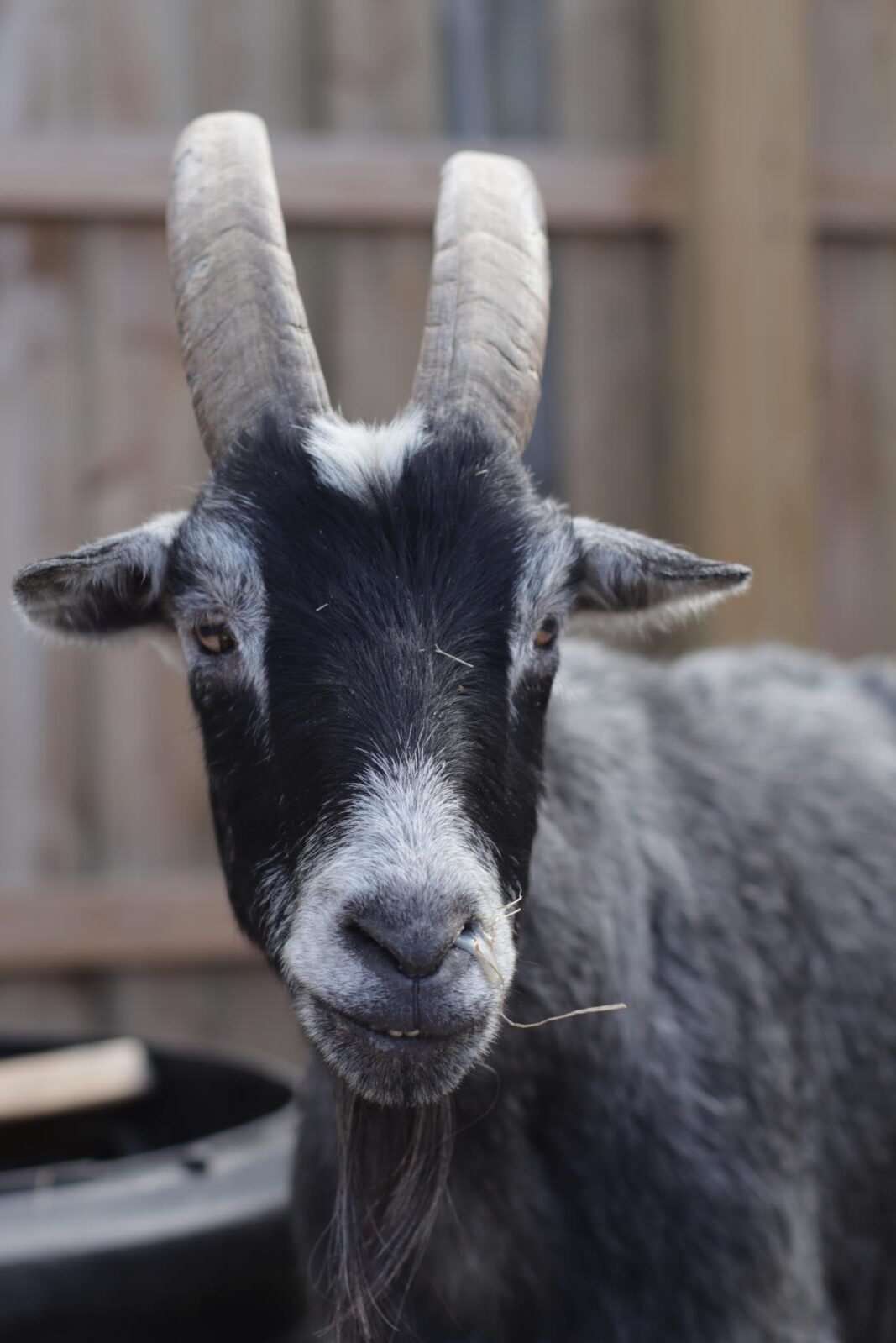
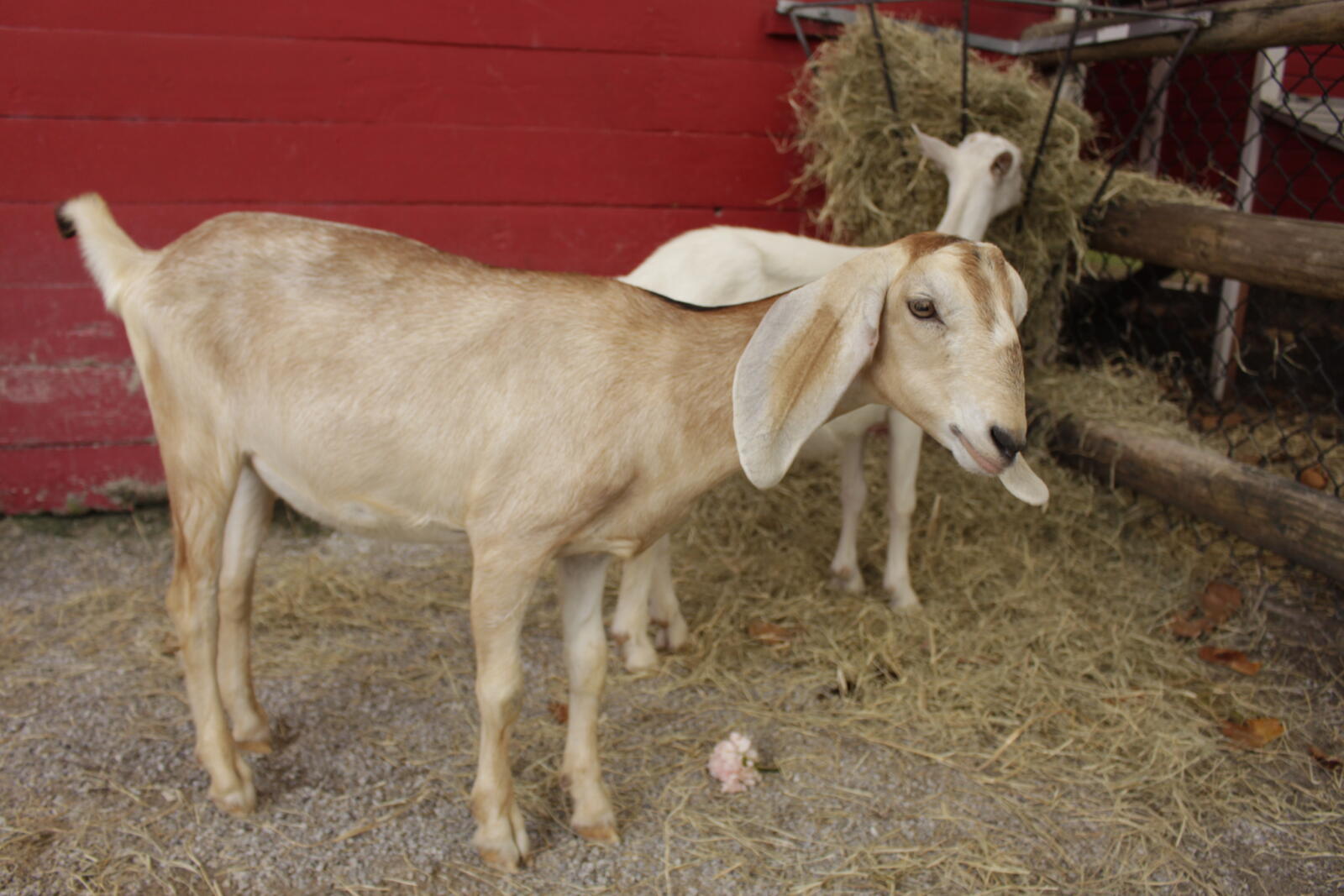
Some goats are have horns, some don't. Some have beards, some don't. Horns can be different shapes, long or short, straight with curves on the end or corkscrew in shape. Certain breeds have straight noses, while others have convex or slightly turned up noses. Their ears may be erect or drooping and vary in size. Their short or long hair can be curly, silky or coarse. Goats come in many colors, spotted or two or three blended colors.

Eyes
Like many hooved animals, the pupils in a goat’s eye are not round but instead a black jagged rectangular. This gives them vision for 320-340 degrees around them without having to move their head. They are also thought to have excellent night vision.
_________________________________________________________________________________________
Eating Machines
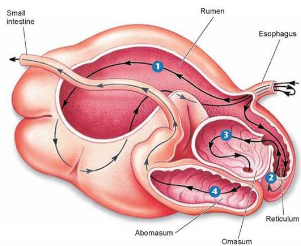
Goats burp. This is due to the role of their rumen, the largest compartment of the stomach of a cud-chewing mammal. The rumen acts as a fermentation vat which naturally produces gas. That gas escapes in the form of loud, healthy burps.
Goats are prized for their ability to eat weeds, bushes and vines, thus clearing land for farming. They can digest plants that many other herbivores can’t eat.
___________________________________________________________________________
Four Chambered Stomach
Goats are browsing herbivores, meaning they eat the leaves, soft shoots, or fruits of high-growing plants, shrubs and trees. Due to their four-chambered stomach similar to cows, goats can be seen chewing their cud—partially digested food that has come from one of the stomach chambers prior to moving on to the next stomach chamber. On farms, goats are typically fed hay and alfalfa, along with cracked or ground corn mixed as a supplement.