Walkin' The Tracks
Great Horned Owl
Hoot, Hoot
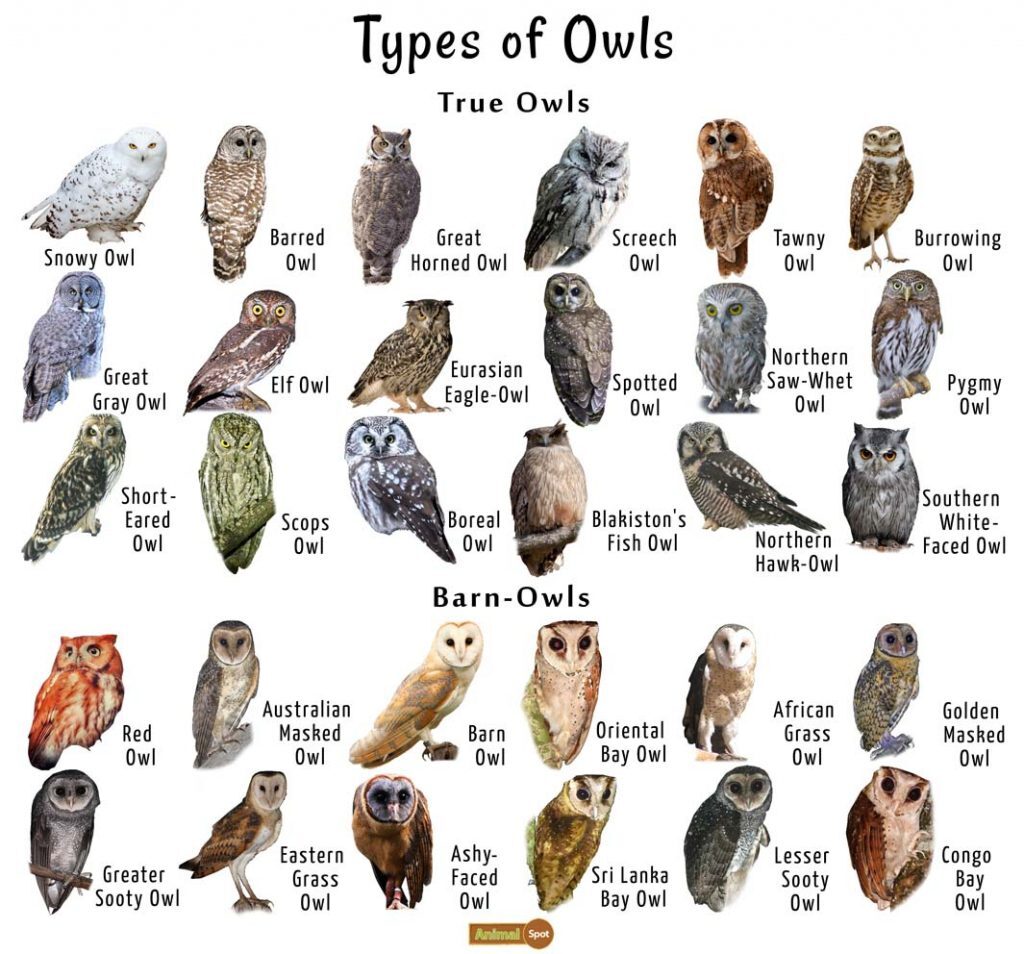
There are 230 species of owls in the world. They live on every continent except Antarctica.

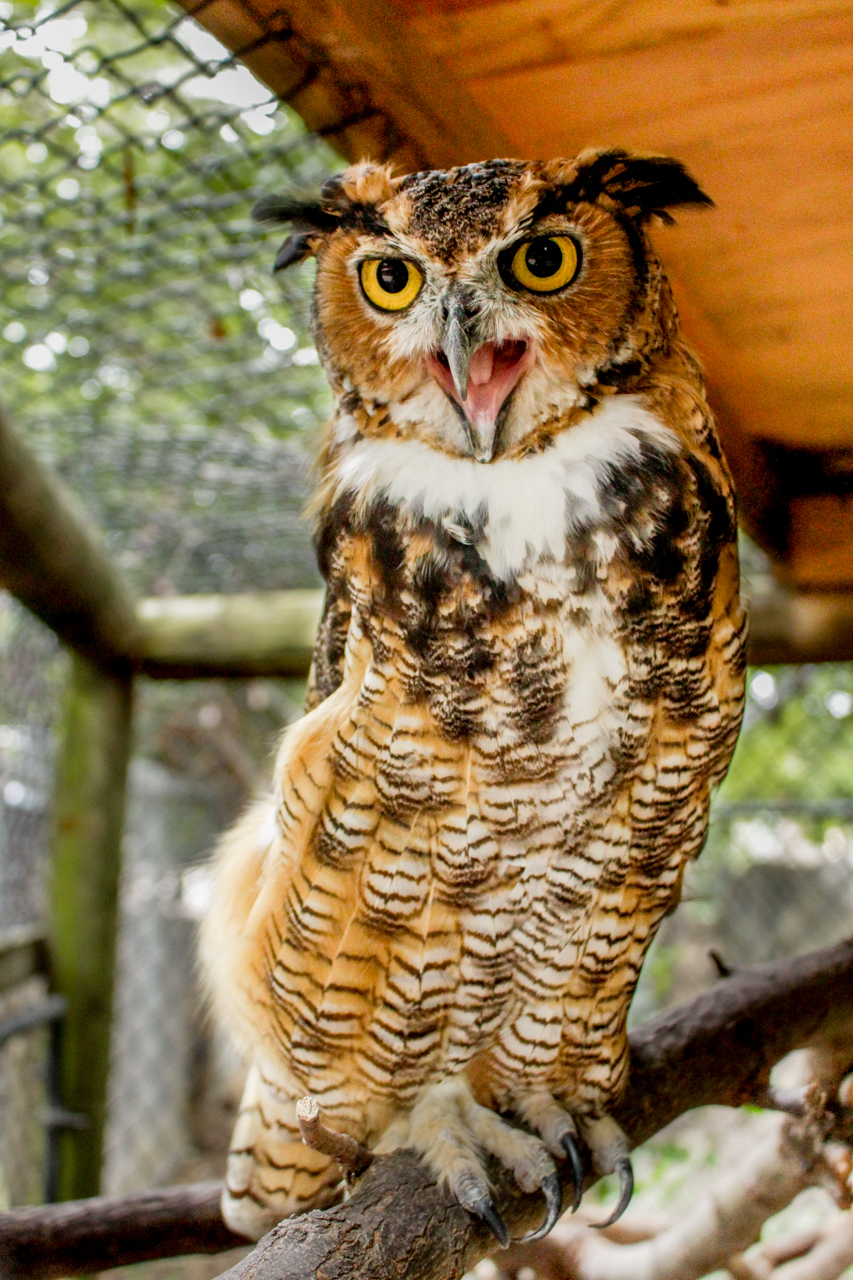
The great horned owl is named for the protrusions on both sides of their head that look like ears. These ear tufts are not actually ears, but simply tufts of feathers called plumicorns. Scientists don’t know why these owls have these tufts of feathers but they do have a few theories. The tufts might help members of their own species to recognize each other among the forest around them, or they may use the tufts to blend into their surroundings, making them look more like broken tree branches helping to camouflage them.
Owls have spectacular binocular vision needed to pinpoint prey and see in the dark. Because owls cannot move their eyes in their sockets like we can, their neck must be able to turn a full 270 degrees in order to see in other directions without moving its entire body. When they catch their prey, these birds either swallow their prey whole or tear it into smaller pieces to swallow. They later regurgitate pellets composed of bone, fur, and other indigestible parts of their meal.
A great horned owl's hearing is as good — if not better — than its vision. They have stereoscopic hearing that allows them to find the exact location of their prey. This is possible because their ears are not placed in the same position on either side of their head. The right ear is typically set higher in the skull and at a slightly different angle. By tilting or turning its head until the sound is the same in each ear, they can pinpoint both the direction and the distance to the source of a sound. Great horned owls hunt by sitting in a tree or perch, watching and listening. The owl’s flight feathers have soft edges that allow it to fly silently and ambush prey. The great horned owl is one of the few species that preys on skunks on a regular basis.

______________________________________________________________________________________________________________________________________________
No teeth
Like other birds, owls do not have teeth to chew their food so they swallow their prey whole, usually head first. When prey is too large to swallow whole, they use their sharp, hooked beak to tear it into manageable size pieces.
__________________________________________________________________________________
Three Eyelids
Birds have what is known as a nictitating membrane or “third eyelid,” closest to the eyeball. It is transparent and is closed to protect the eye when the owl is hunting. It extends from the inner corner of the eye to the outer corner. You may see it when a bird blinks. Thinner and more transparent than the fleshier upper and lower eyelids, the nictitating membrane allows some degree of visibility while simultaneously protecting the eye.