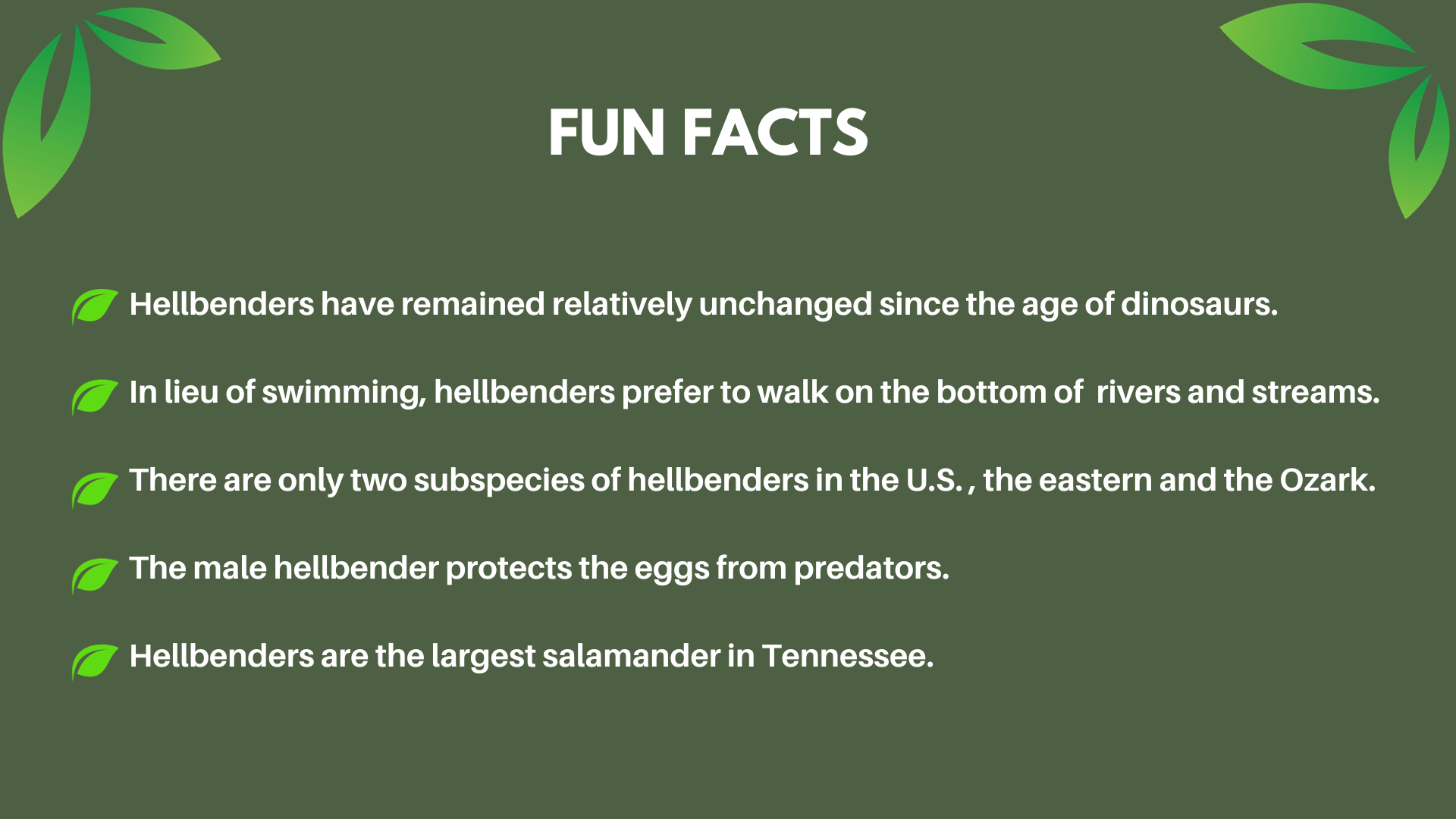
Did you know...
the two subspecies (Eastern and Ozark) are North America's contribution to the world's giant salamanders. Only two others exist--the Japanese and Chinese giant salamanders.


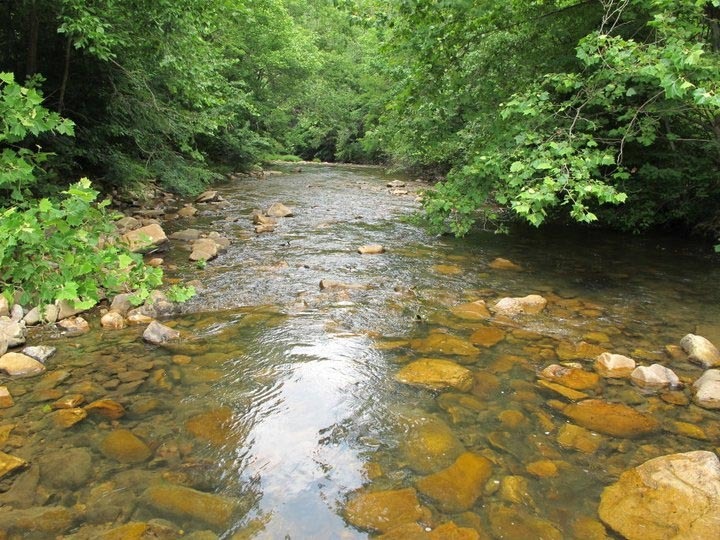
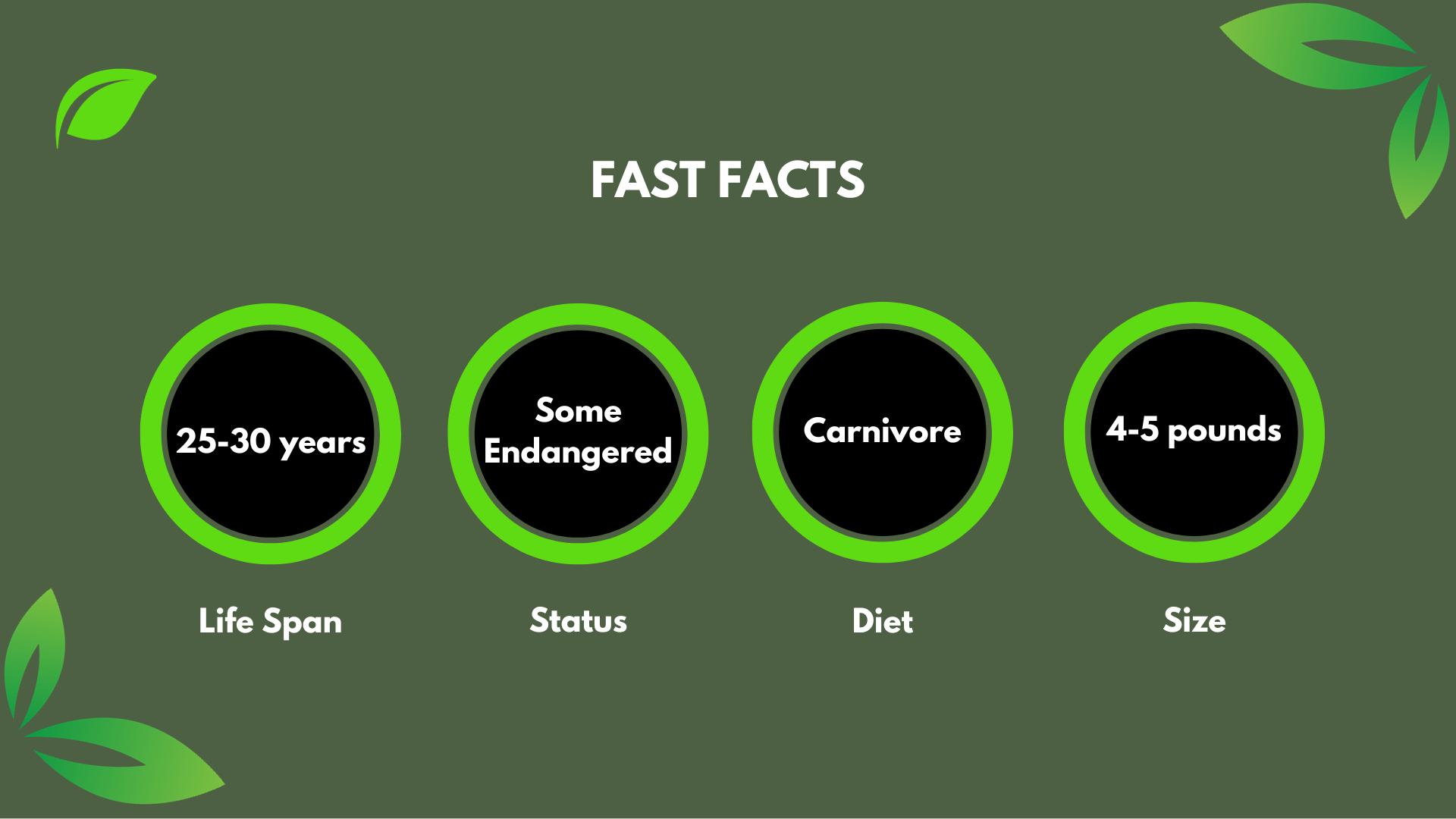
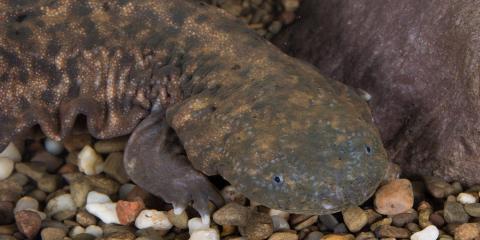
The Eastern hellbender is Tennessee's largest salamander at 11 1/2 to 20 inches long and weighing up to 5 pounds. They have several nicknames such as mud devil, devil dog, ground puppy, and snot otter. The later is because their body is covered in mucus that protects them from parasites and is distasteful to predators. They inhabit clean, fast-flowing streams and rivers with lots of large, flat rocks for cover protection. Hellbenders rarely leave the water. They have lungs, but breathe entirely through the thousands of capillaries found in the wrinkly folds of their skin. Because they breath through their skin, hellbenders are extremely sensitive to climate change and pollution and are known as an "indicator species." Warm water holds less oxygen than cold water, thus making them more at risk to climate change as their home heats up and there is less oxygen in the water.
______________________________________________________________________________________________________________________________________________________
How hellbenders are being helped in the wild
The decline of Eastern hellbenders is largely attributed to the decline in stream quality. Damming of rivers, water pollution, and siltation of streams all cause harm to the rivers and streams they inhabit. Toxic chemicals, such as untreated sewage and chemical runoff from lawns, fields, and parking lots pollute rivers and streams, impacting water quality and the health of hellbenders. Excess sediment enters streams from various human disturbances to the soil, such as the removal of streamside vegetation, logging, poor forestry practices, and erosion from farms and housing developments. Siltation affects hellbender survival by burying the large rocks that hellbenders depend on for reproduction, suffocating their eggs, filling in hiding places of their young, and killing the crayfish and other invertebrates that they feed on.
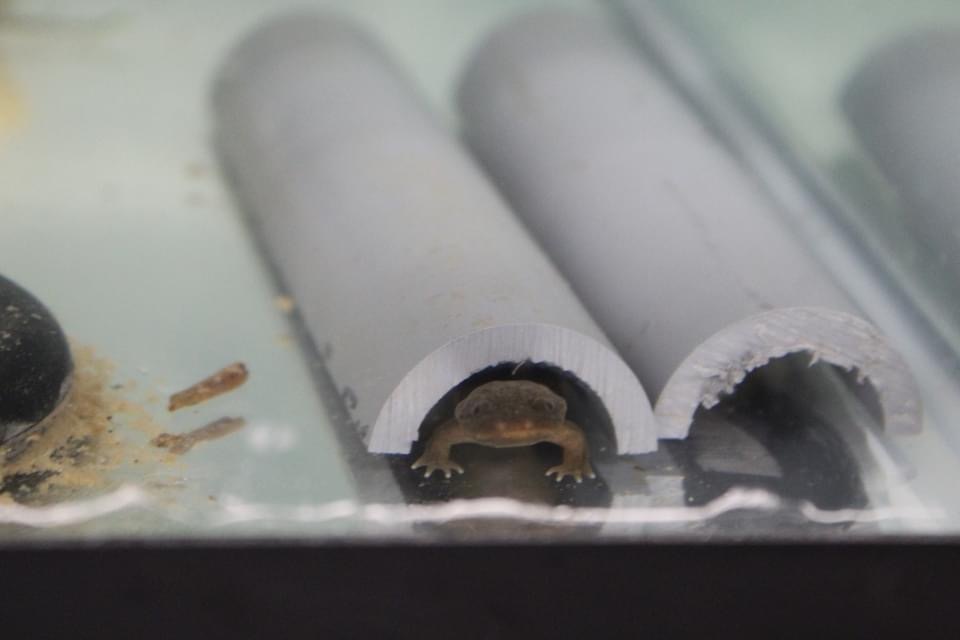
Chattanooga Zoo is actively involved in helping this species from becoming extinct in the wild. Along with several conservation partners, the Hiwassee Hellbender Research and Education Facility was built in 2020. The goal is to 1) educate our Zoo guests about these amazing animals, and 2) establish a head start program in which offspring is raised to a certain size before releasing them into the wild. This system allows the offspring to grow large enough to have a fighting chance to successfully reach maturity and breed, building the wild population numbers of Eastern hellbenders.
Update January 2024: Our Hiwassee Hellbender Research and Education Facility welcomed 176 baby hellbenders into the world in early November 2023! We're working alongside Lee University, TWRA, Tennessee American Water, and the U.S. Forestry Service to conserve this rapidly disappearing local salamander species. Due to these conservation efforts, we also have 64 two-year-olds who are set for release into their natural habitat for summer 2024, and have already successfully released 30 hellbenders into the wild in 2023!
Update May 2024: Click here to watch a short video covering our May 2024 hellbender release, including underwater footage of hellbenders in the wild!

How you can help hellbenders
- If you are fishing and accidentally catch a hellbender, release the animal back into the water by first cutting the fishing line as close to its mouth as possible or remove the hook with a pair of pliers.
- Do not pick up, harm, or kill hellbenders. They pose no threat to humans.
- Do not sell or keep hellbenders for personal use. It is illegal to do so.
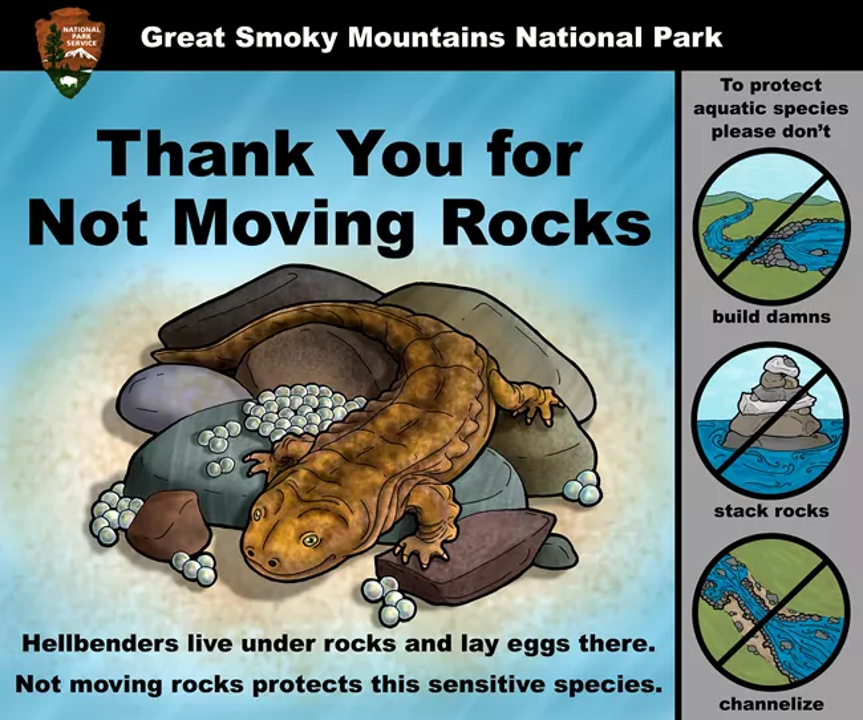
- Do not move the rocks or build structures with them, such as cairns, artificial rock pools, dams, or chutes. These types of artificial structures and the disturbance caused while creating them damages the homes of various aquatic species. Remember that rocks in streams and rivers provide vital habitat for hellbenders and other aquatic life.
- Since most neighborhood storm drains flow into nearby rivers and streams, you can protect your local waterway by using fewer pesticides when caring for your garden or lawn. Using environmental friendly fertilizers, not littering, and picking up after your pet improves the wastewater runoff going into your local waterway.
- Visit and learn more about hellbenders at the Chattanooga Zoo. A portion of your ticket proceeds supports the the Zoo's mission to protect and conserve these animals as well as their habitat.
.