Corcovado Jungle
Jaguars

Whose Spots are those?
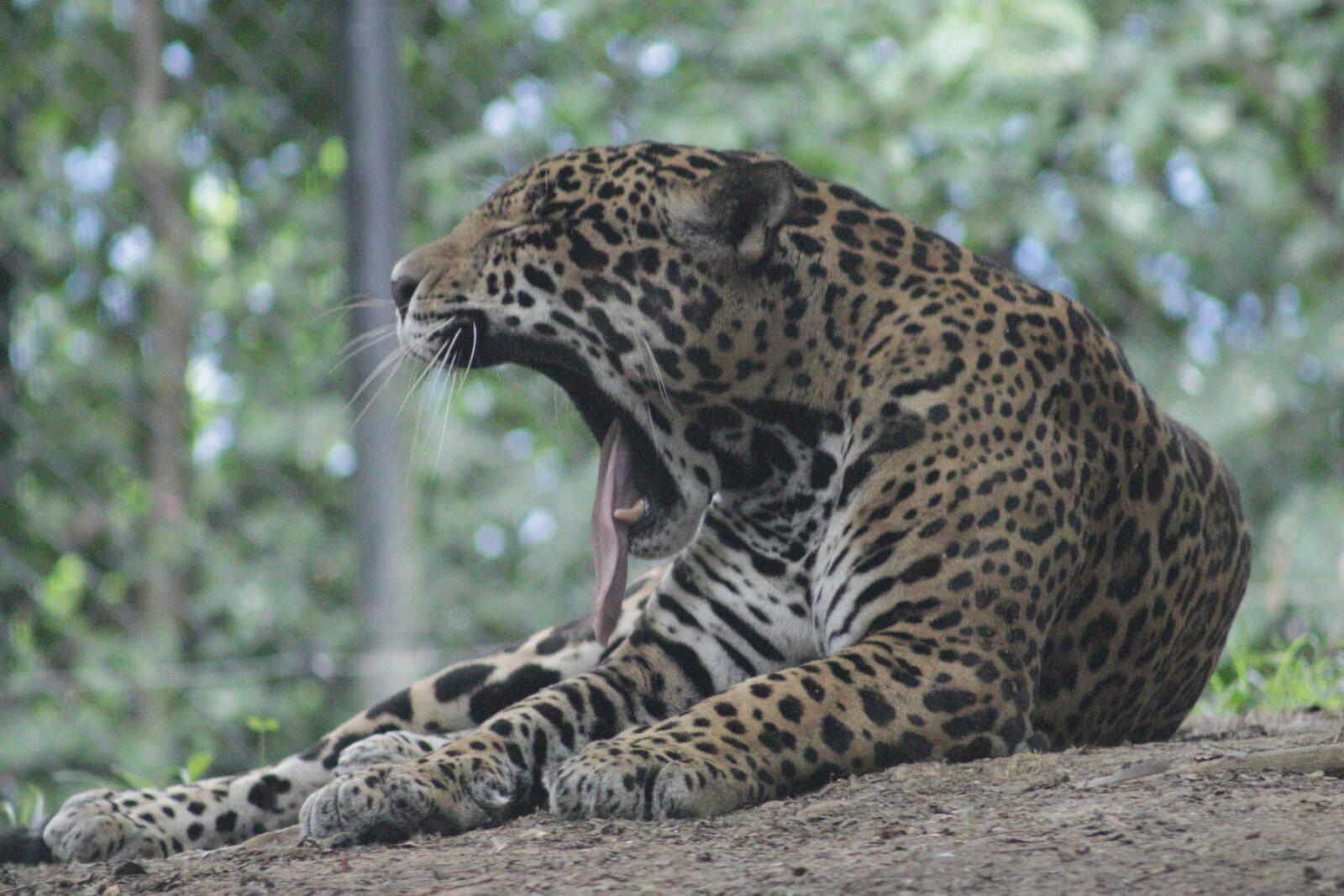
How do you tell the difference between a jaguar and a leopard? Look at the spots! Jaguars have spots inside their spots. Leopards don't.

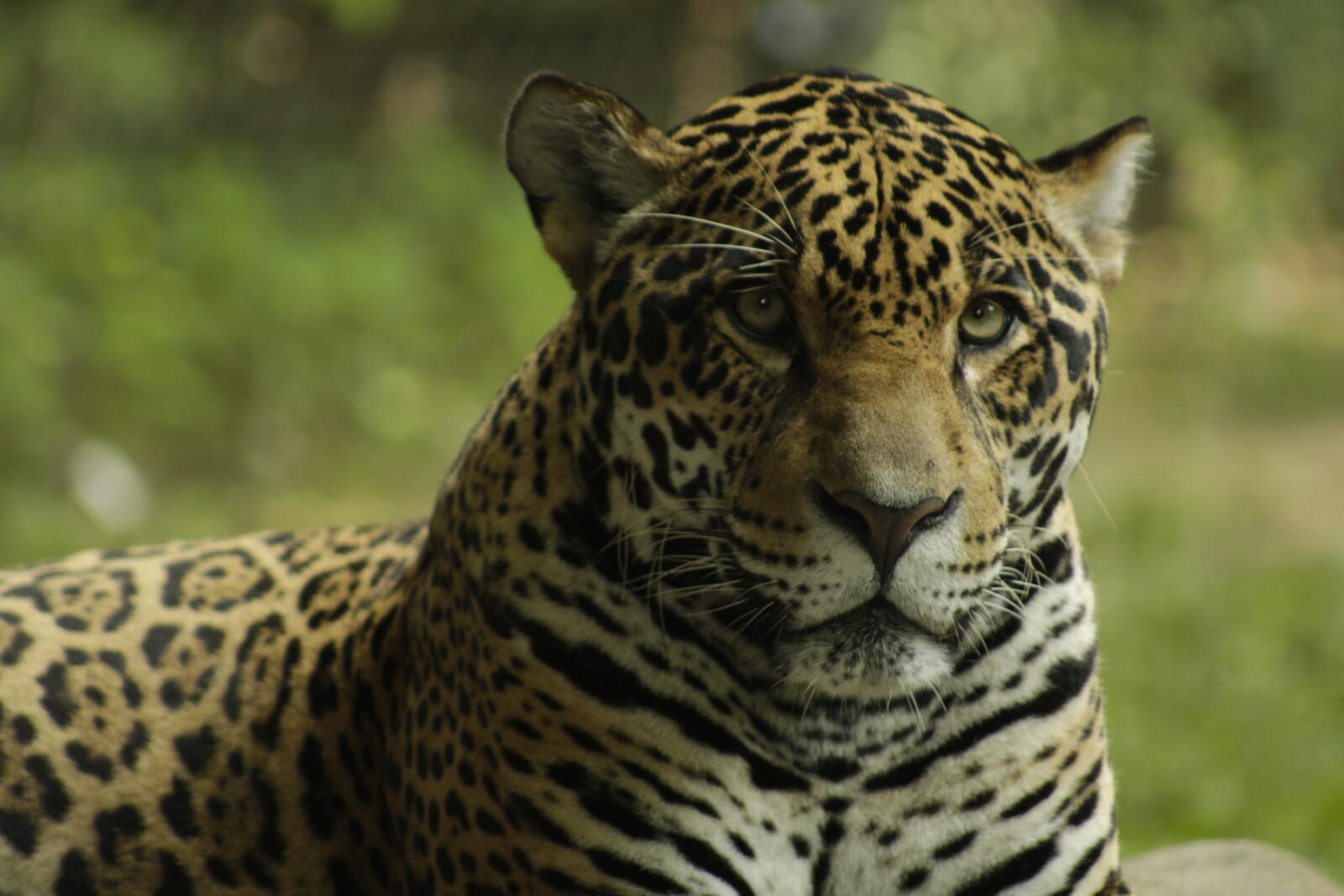
Jaguars are often confused with leopards but there are multiple differences. Jaguars are found in North, Central and South America while leopards are found in Africa and Asia. Jaguars are more heavily built and muscled than a leopard.
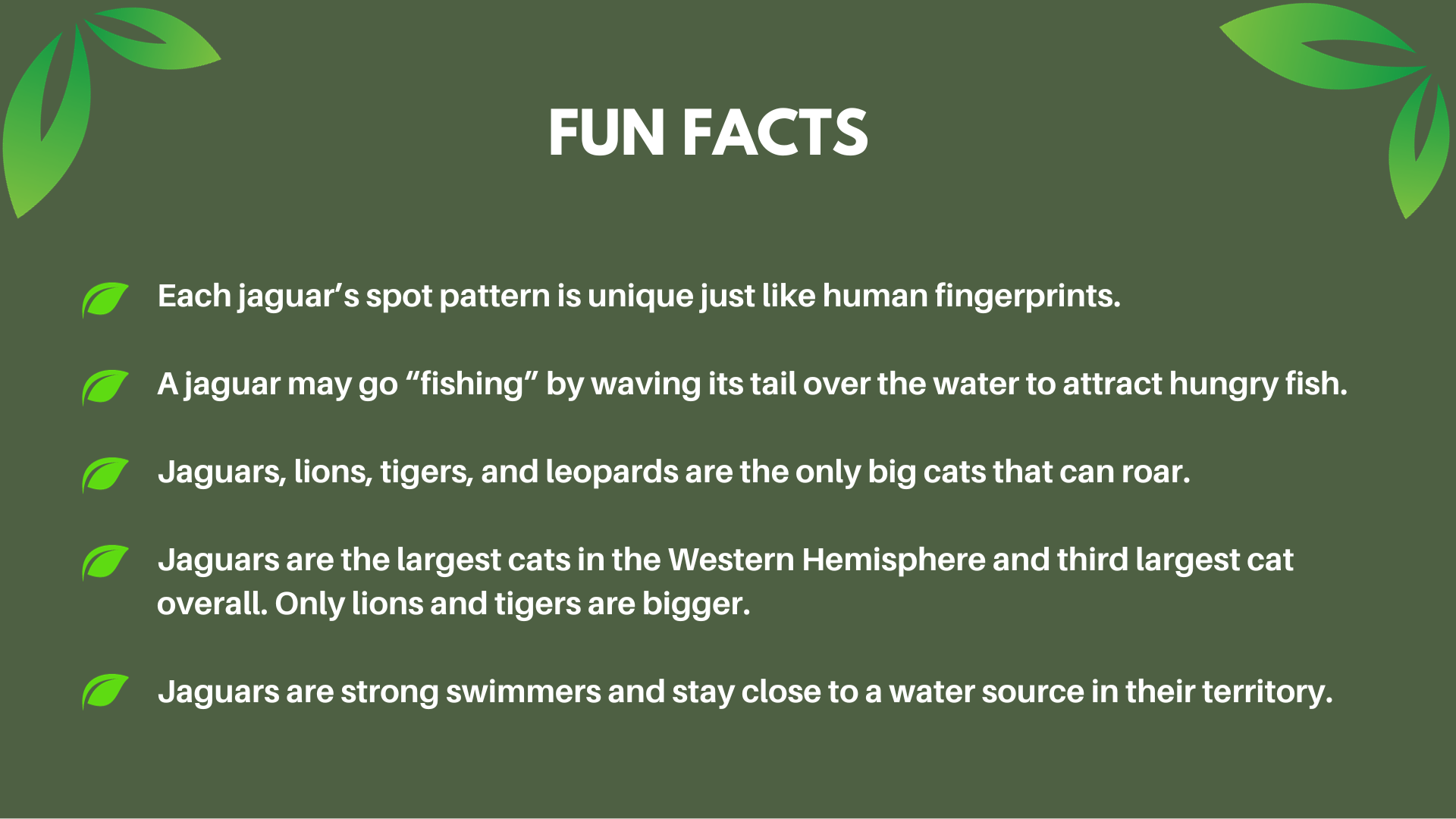
Jaguars are known to prey on more than 85 species, including peccaries, deer, tapirs, cattle, and capybaras. They have the strongest bite muscles of any other feline and their teeth are strong enough to bite through the hides of crocodilians and hard shells of turtles and armadillos. Typically, a jaguar will bite the back of the skull rather than biting the neck or throat like other big cats when attacking their prey.
Unlike other felines, they are strong swimmers and can be seen often laying in a body of water to cool off. They typically live near a pond or stream and have a taste for aquatic creatures as well.
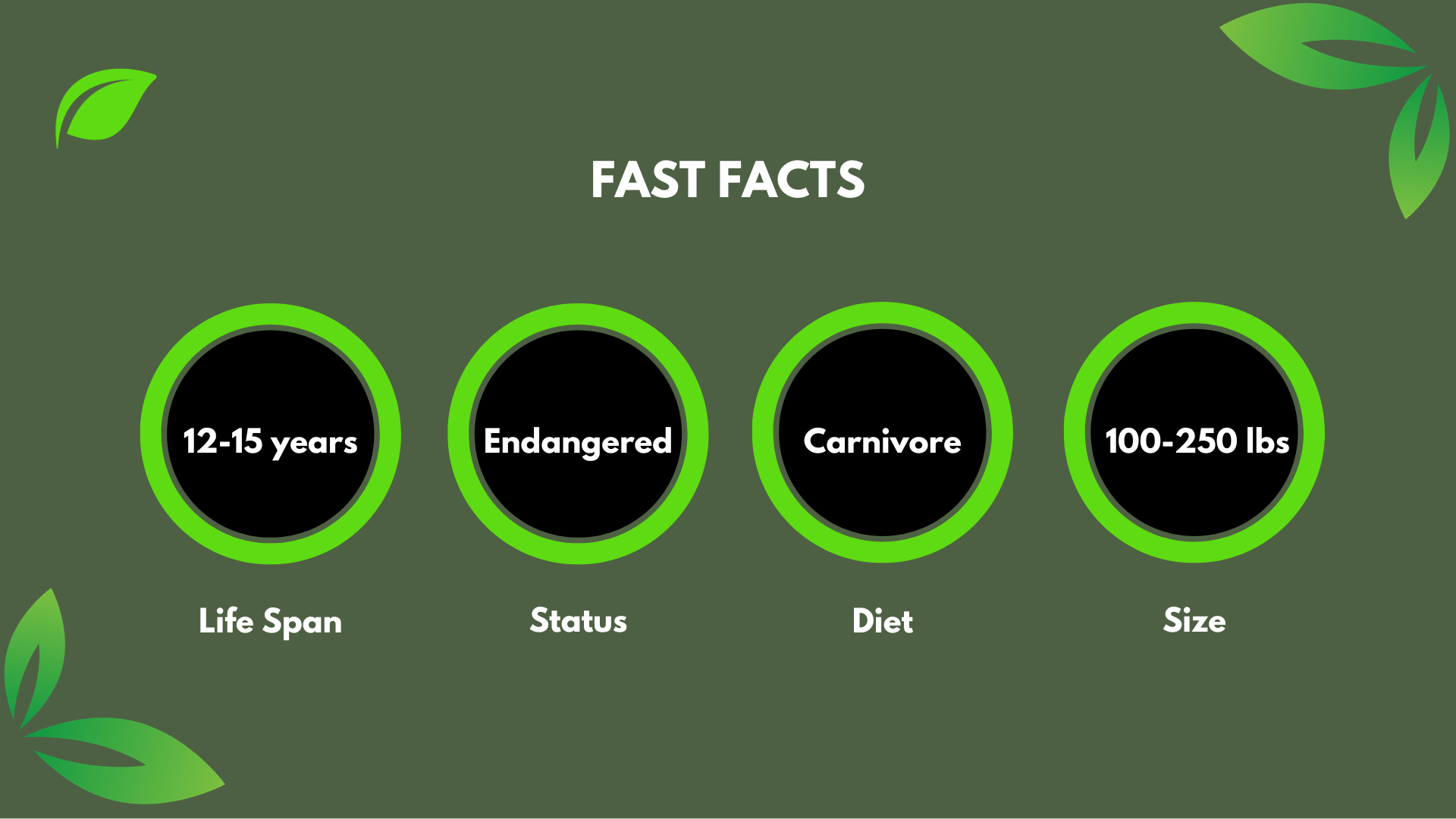
_____________________________________________________________________________________________________________________________________________________
Can I adopt a jaguar?

Yes, you can symbolically adopt a jaguar and help the Zoo with the care and feeding of our jaguars. Just click here to learn more.
__________________________________________________________________________________
Why jaguars matter
Jaguars play an important role in maintaining the ecosystems they inhabit. As top predators, they help to keep a balance in the food chain by controlling the populations of other species which promotes a healthy environment. A successful jaguar environment also protects and saves all the other species in their habitat as well.
For instance, jaguars eat a variety of herbivore animals--monkeys, agoutis, deer, tapirs, peccaries and more. All these animals eat leaves, roots, seeds and fruit. If jaguar numbers decreased drastically, this would allow the herbivore population to increase. In return, the additional herbivore population would need a larger territory to accommodate the increase in demand for herbivore food items.
How you can help jaguars
- Donate or volunteer at organizations like World Wildlife Fund (WWF). In 2020, WWF launched its Regional Jaguar Strategy with an ambitious goal to increase or stabilize jaguar populations, prey base, habitat, and connectivity by 2030. In order to achieve this goal, WWF works: 1) At the local landscape level by conducting jaguar monitoring, promoting best practices in productive landscapes, managing human-jaguar conflict, reducing jaguar killings, and contributing to improved management in protected areas; 2) At the national level by engaging the public and mainstreaming jaguar conservation across different sectors; 3) And at the international level by promoting long-term and large-scale finance for jaguar conservation and international cooperation.
- Buy responsibly when purchasing products grown in jaguar habitat. Avoid products made with non-sustained palm oil, buy shade grown coffee and sustainable cocoa, and reduce your carbon footprint.
- Visit the Chattanooga Zoo jaguars. Your ticket purchase helps to support Chattanooga Zoo's mission to conserve all animals making you an important partner.