Deserts & Forests of The World
Linnaeus two toed sloth

Did You Know?
Different sloth groups can be easily identified by the number of long, curved claws on their forelimbs. The two-toed sloths, as the name suggests, have two claws on their front limbs, while the three-toed sloths have three claws on their front limbs. (But all sloths have three claws on their back limbs.) The two-toed sloths are also slightly larger than their three-toed counterpart. Altogether, there are six sloth species that are found mainly in the tropical rainforests of Central and South America.
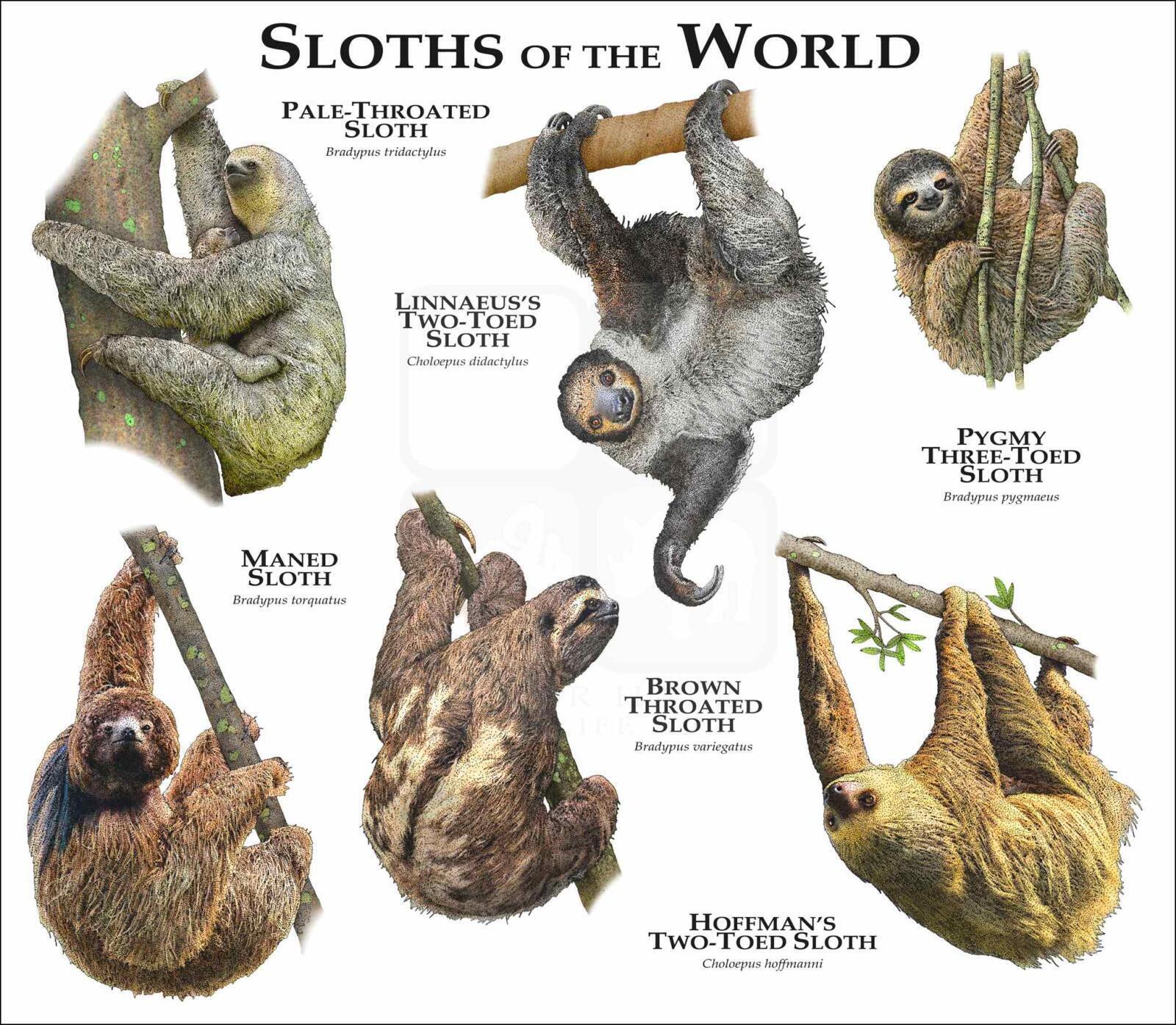

The Linnaeus two-toed sloth is generally a gray/brown color, but may be greenish due to the presence of one or two species of blue-green algae living in the fur that flourishes in the warm and wet climate. These colors help them blend in with their rainforest canopy habitat.
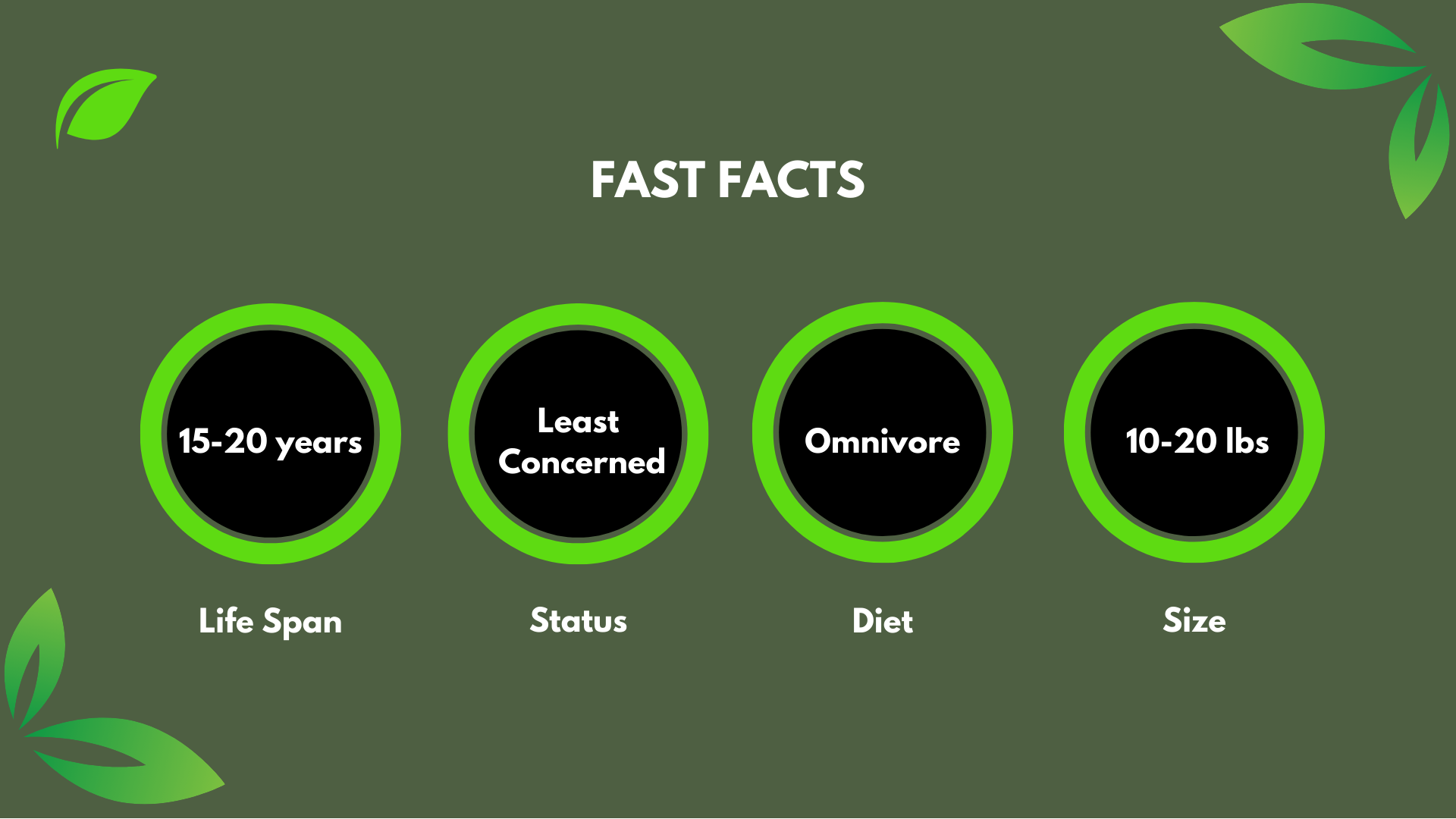
These animals spend as much as 15-20 hours a day sleeping. All activity is done very slowly to minimize the expenditure of energy. Sloths can conserve energy by adjusting their body temperatures. They have the most variable and lowest body temperature of any mammal ranging from 76 – 96 degrees F., dropping on cool nights, during rainy weather, and when inactive. They wake up at night to feed, moving to a new tree each night. When on land, Linnaeus sloths are very awkward and slow making them very vulnerable to predators. However, when in the water, they prove to be good swimmers, using their long arms to move through water.
Sloths have an unusual and bizarre bathroom habit. The sloth is primarily arboreal but will go to the ground approximately ever 5-7 days to urinate and defecate. They have been known to lose up to a third of their body weight once they have defecated. The only other time they may go to the ground is to reach another tree that is inaccessible from above. They are one of the few animals that can turn their head 270 degrees in each direction. Although virtually all mammals have seven neck vertebrae as a standard, sloths are one of the few mammals to break this rule. Two-fingered sloths have only five neck vertebrae, while three-fingered sloths have nine. This allows them to effectively scan for danger and look around without moving their entire body, which saves energy and reduces the risk of being seen by predators. The teeth of the sloth are quite primitive. They only have canines (2 top and 2 bottom) and molars (4 top and 3 bottom). Their teeth are peg like, lack enamel and grow continually.
_____________________________________________________________________________________________________________________________________________________
Can I feed a sloth at the Zoo?

Not yet, but hopefully soon. Our sloth, Boysenberry, just arrived in December 2024 and is now acclimating to her new home. Once she is comfortable, we hope she will be agreeable to having guests visit her in her new habitat. Until then, check out our other Wild Encounters. Click here to learn more.
_______________________________________________________________________________
Threats in the wild
The health of sloth populations is dependent on the health of tropical rain forests. But tropical rain forests are at risk of deforestation. Without an abundance of trees, sloths lose their shelter and food source. When sloths come to the forest floor they are more exposed to predators and can do little to fend them off. When the forest is disturbed and trees are cut down, sloths are forced to risk their lives by traveling on the ground or by using the electricity lines. In Costa Rica, electrocution is a huge problem for sloths. There are more than 3000 wildlife electrocutions every single year in Costa Rica, with over half of the electrocuted animals being sloths.
Sloths are the number 1 victim of the ‘wildlife selfie trade’ – they are taken from the wild in huge numbers to be sold for photo/interaction experiences. Being handled by strangers causes huge stress and anxiety on wild sloths, and most die within 3-6 months of being held captive.
How you can help sloths
- Sloths are very popular animals and many people want to hold and pet one. This has created opportunities for many unscrupulous people to house sloths as an easy income source. Support people/organizations that educate about sloths and donate a portion of your ticket purchase to conservation for sloths and/or rainforest preservation. Responsible encounters with sloths usually have strict guidelines for the safety and health of the sloth your are interacting with. And it's always up to that animals discretion if it wants to interact with someone that day or not.
- Learn more about what organizations are doing to help sloths like planting trees, ecotourism, sloth rehab, or symbolically adopt a sloth. Check out The Sloth Institute to learn more.
- Shop smart! Avoid buying products made from animals, which could support poaching and the illegal wildlife trade.
- Support organizations like World Wildlife Fund that work with communities, governments and companies to encourage sustainable forestry. They also created the Global Forest & Trade Network to create a market for environmentally responsible forest products. Since 2003, WWF has been working with the Brazilian government on the Amazon Region Protected Areas initiative (ARPA) to protect rain forest. ARPA has become the largest conservation project in the world.

.

.