Corcovado Jungle
Macaws
Did you know...
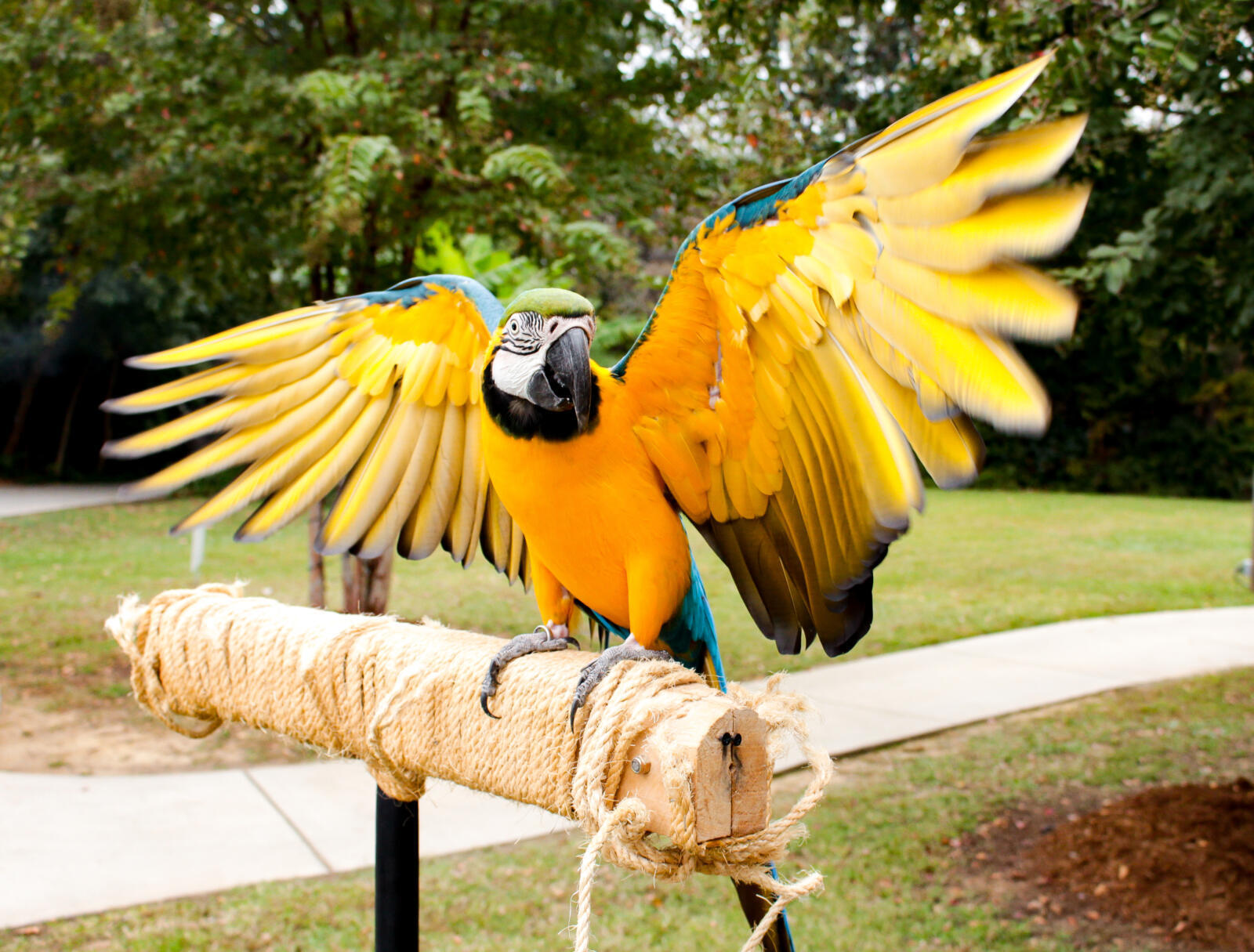
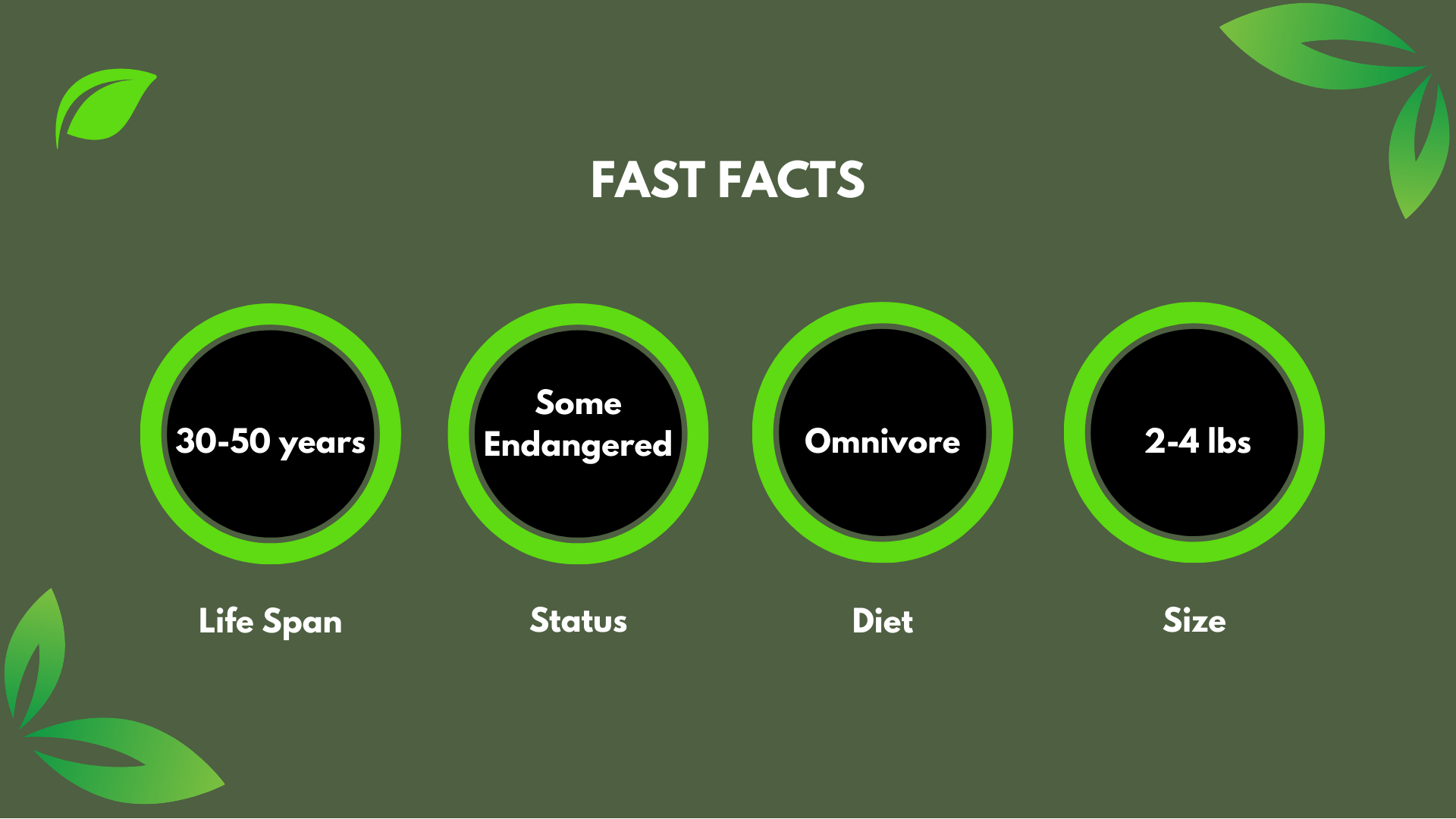
Macaws live to be around 50-60 years and in some cases up to 80 years or more. When kept as pets, macaws are often known for outliving their owners.
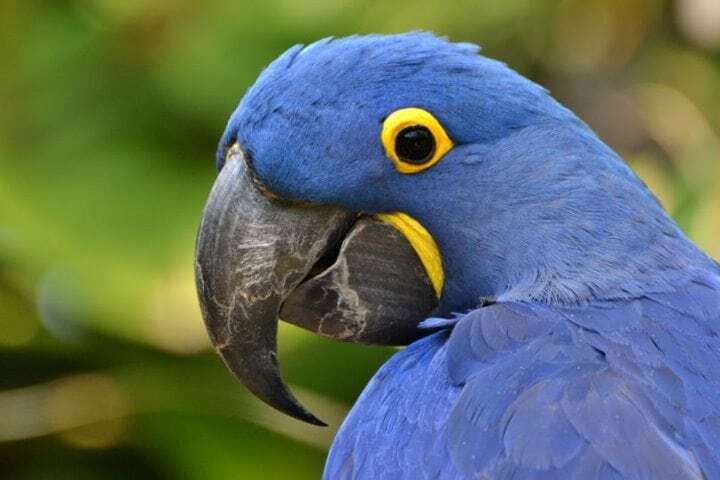
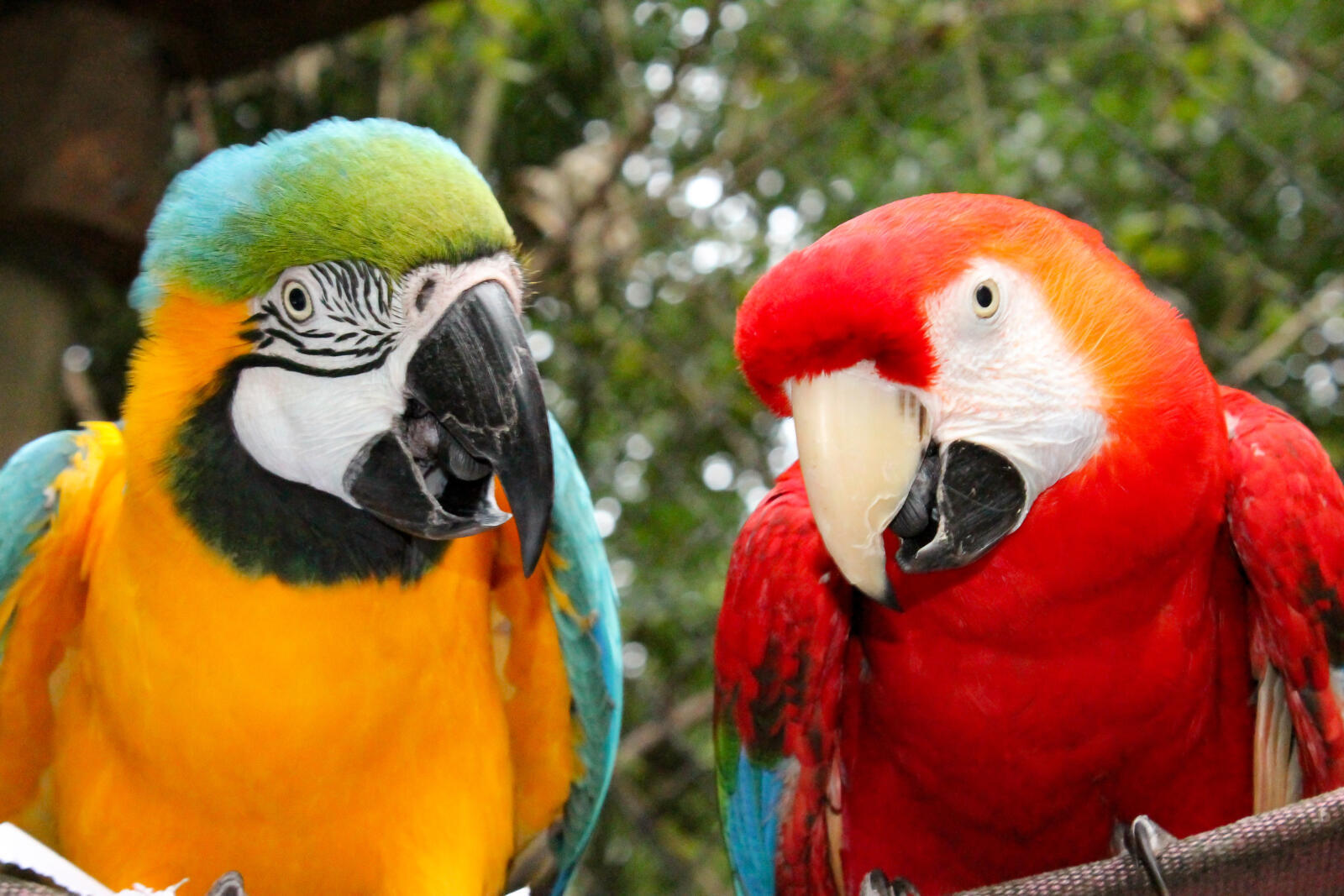
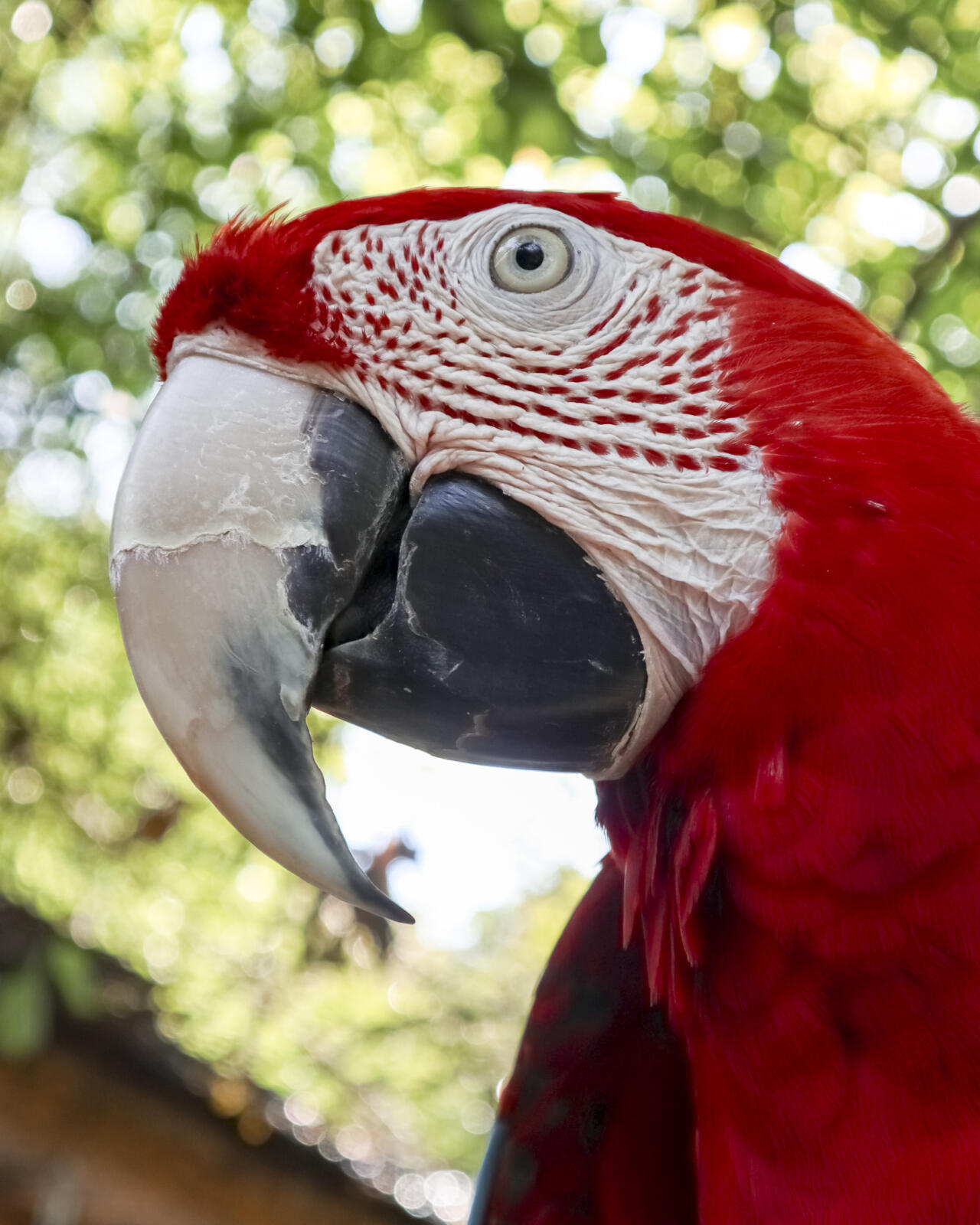
You can see three different macaw species at the Chattanooga Zoo--a green wing macaw, a blue and yellow macaw, and a scarlet macaw. Macaws are typically large, brightly colored parrots with long tail feathers. The characteristic that distinguishes macaws from other members of the parrot family is their bare facial areas that vary in size and pattern according to different species. Macaws range in size from the smallest Hahn's macaw (12 inches) to the largest of all parrots, the hyacinth macaw (40 inches).
Most macaws feed mainly on seeds, nuts, and fruits. Their strong bills enable them to crack into the hard shells surrounding the nuts. Their tongue is dry and has a bone in it that allows them to manipulate into the open nuts to successfully get all the goodness inside. Some macaws bill is so powerful they are able to crack open the hard shelled Brazil nut.
Screaming is a natural call for macaws. They do it to make contact with one another, to define territory, and even as part of their play. Their calls can be quite earsplitting to humans. When adult macaws choose mates, they usually stay together until one of them dies. This close relationship is called a pair bond. The pair reinforces its bond by preening each other’s feathers, sharing food, and roosting together. The bond is so strong that even when the pair flies with a large flock, the two stay close together.
__________________________________________________________________________________________________________________________________________________
Can I adopt a macaw?
Yes, you can symbolically adopt a macaw and help the Zoo with their care and feeding. Just click here to learn more.
_______________________________________________________________________________________
Why macaws matter and how they are being helped
Macaws are tremendous seed dispersers. In the course of daily feeding, macaws allow plenty of seeds to fall to the forest floor. In addition, when the birds fly to different areas of the forest, they distribute seeds in their poop to other areas of the forest. Macaws play a vital role in much of the forest growth.
Macaws live in prime habitat that people are logging, farming, and developing, all of which greatly reduces their habitat. Parrots and macaws are also hunted for their plumage, meat, and collected for the pet trade. Bird collectors pay thousands of dollars per bird making it very lucrative for smugglers. To legally purchase a parrot or macaw in the U.S., they must be hatched and hand raised in the U.S. If not, they were likely smuggled in illegally. World Wildlife Fund helps to support efforts to phase out importing wild birds to the United States and encourages captive breeding as an alternative to illegal capture.
In 1990, Defenders of Wildlife began a campaign in which more than 100 commercial airlines agreed to stop carrying birds. This stopped the delivery of new birds to dealers and forced some of them to breed the captive species they already had. In 1995, the Wild Bird Conservation Act was enacted and it halted the import of endangered birds, especially macaws.
How you can help parrots
- Donate or volunteer at organizations like World Wildlife Fund and Defenders of Wildlife that work with local communities to protect parrot habitat and ban the hunting and poaching of them.
- Adopt a macaw at the Chattanooga Zoo. 100% of proceeds from each adoption package support animal care, education programs and wildlife conservation for endangered and threatened species. As an animal adopter, you play an important role in supporting the Zoo and our mission of understanding wildlife by creating connections between people and animals.
- Don't buy a parrot as a pet without ensuring they have been legally bred and raised in the U.S. Don't buy products made from parrots or other animals.