Himalayan Passage
More Asian Animals
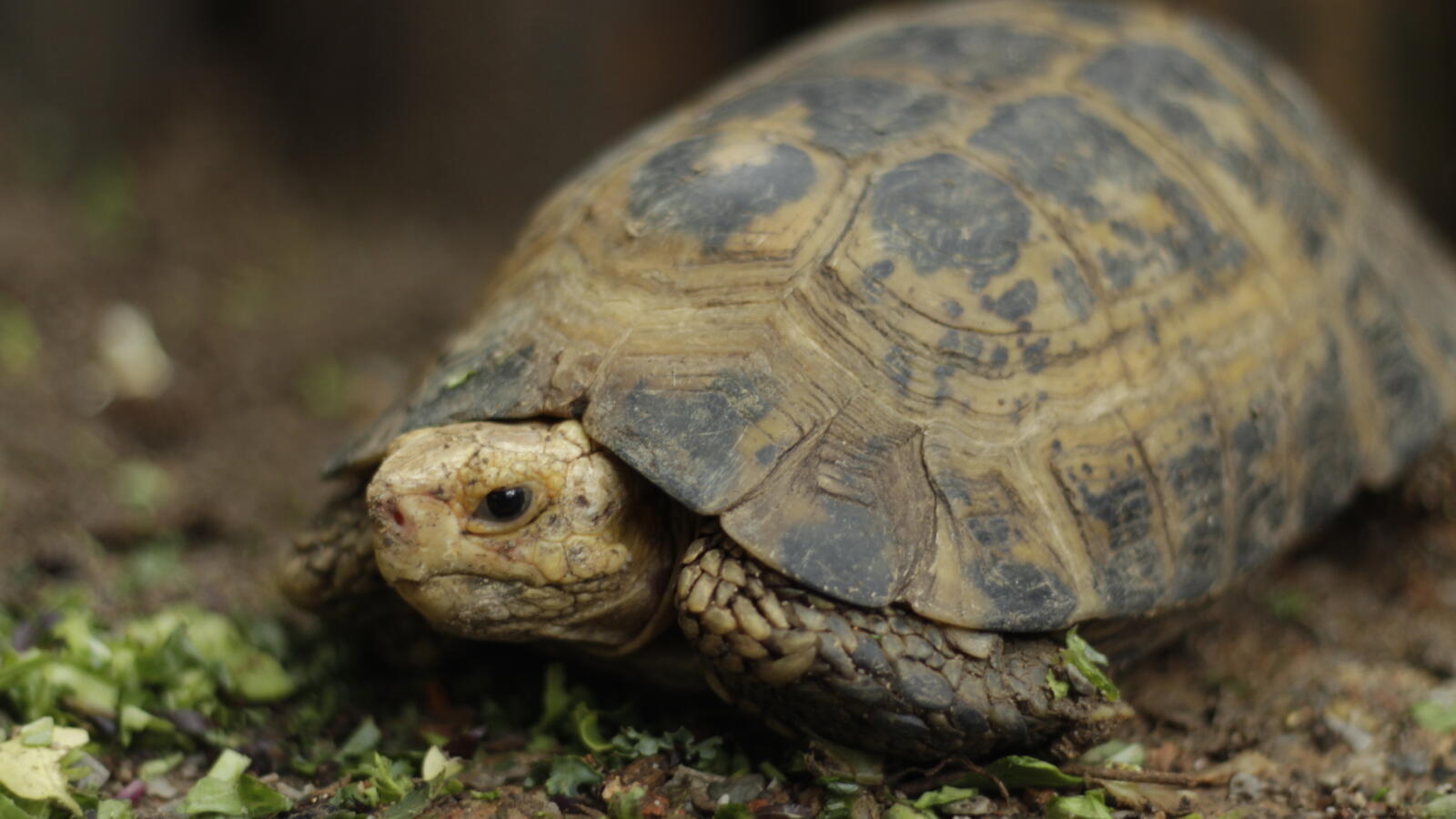
Forsten's Tortoise
Range: Sulawesi Island
Diet: Omnivore
Conservation Status: Endangered
Only found on the single island of Sulawesi in Indonesia, the forsten’s tortoise is commonly hunted for meat and the illegal pet trade, which has left this species in desperate need of help.
Adult forsten’s tortoises are typically about 10 inches long. Large scales cover the anterior parts of the tortoise’s front legs, but its hind legs lack this protection. Females tend to be wider and more rounded than males, and males’ tails are larger and longer than females’ tails. A small keratinous hook tips the end of the tail.

Roti Island Snake-necked Turtle

Range: Roti Island
Diet: Omnivore
Conservation Status: Critically Endangered
Roti Island snake-necked turtles are found solely on the island of Roti in Indonesia, with only two known populations on the island. Their long neck is around two-thirds of the length of its shell and covered in wart-like bumps. The shell is pale grey and oval in shape, growing wider towards the tail end. Unlike other turtle species, they can tuck their entire neck and head into their shell for protection and can also produce a foul-smelling musk to deter would-be predators.
Roti Island snaked-necked turtles prefer inland, shallow, fresh water lakes and rice field marshes. During the rainy season (December – March) they are found in fresh water and wetlands. In the dry season, they become nocturnal and shelter under rocks and leaves in forests.
Elongated Tortoise
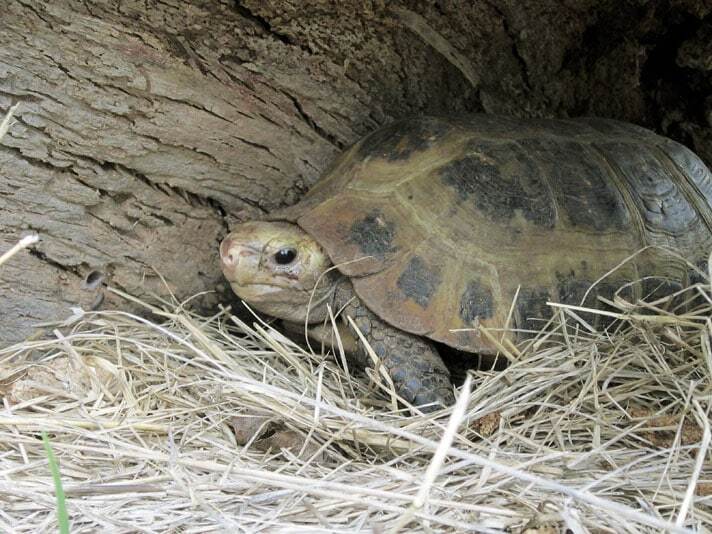
Range: Southeast Asia
Diet: Omnivore
Conservation Status: Endangered
The elongated tortoise is a medium-sized tortoise with a straight carapace. They inhabit open deciduous forests, grasslands, bamboo forests, secondary forests, and hilly evergreen forests. They are commonly hunted for food and traditional medicine across its range. In addition, they are greatly affected by habitat destruction and fragmentation. As a result, although protected by international and national regulations, this species has undergone severe population declines. Conservation measures recommend a greater enforcement of wildlife protection laws, conservation breeding and monitored releases of tortoises, and continued research.
Indian Star Tortoise
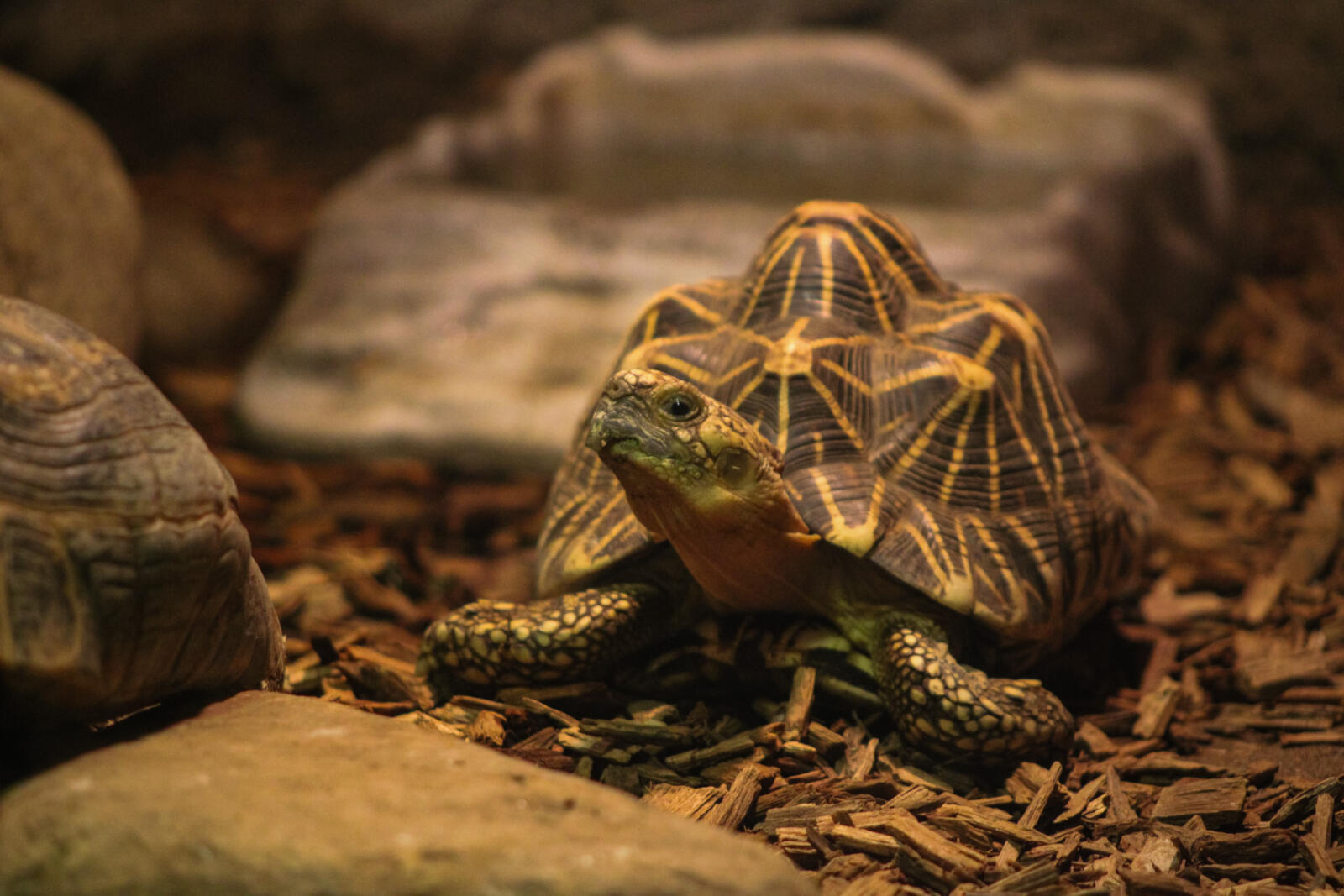
Range: South Asia
Diet: Omnivore
Conservation Status: Vulnerable
This species lives in western India and the extreme southeast of Pakistan, in southeastern India, and on Sri Lanka. They have a wide variety of habitats, including semi-arid lowland forests, thorn scrub forests, semi-desert and arid grasslands. This species has a high tolerance for habitats that are seasonally wet or dry, with many populations inhabiting areas with a monsoon or rainy season followed by a long hot and dry period. The Indian star tortoise is a threatened species. Its name comes from the star-like patterns that feature on its high-domed shell. Because of these very distinctive patterns and its highly rounded shell, they are popular in the world's exotic pet trade. The attractive markings on its shell serve to help this tortoise blend in with its surroundings, by breaking up the hard edge of the shell, so when the tortoise is grazing, it is not so obvious to predators passing by.
Black Tree Monitor
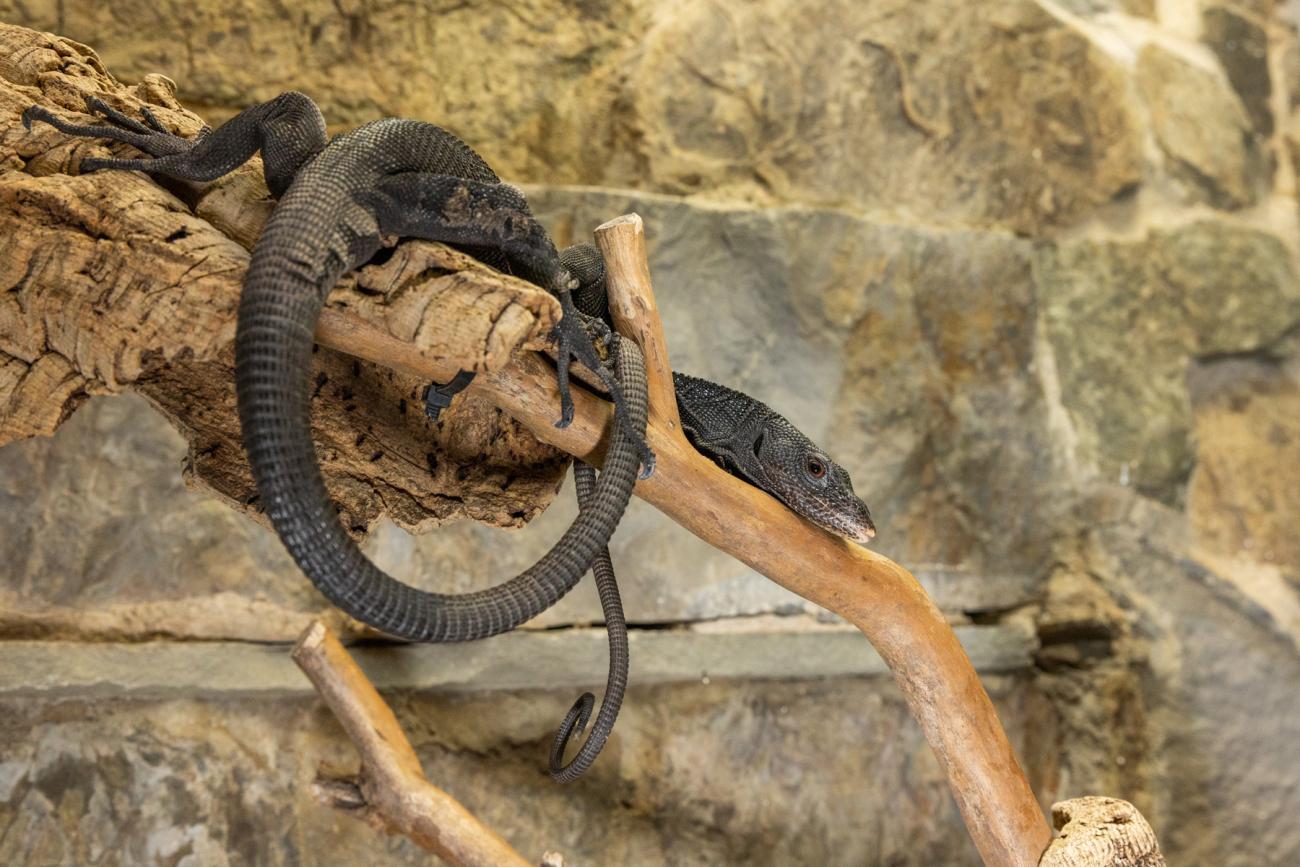
Range: Indonesia
Diet: Carnivore
Conservation Status: Least Concern
Black tree monitors are found solely on the Aru Islands, which are part of Indonesia and located just off the coast of New Guinea. They live mostly high up in the trees of tropical forests and mangrove swamps. They are intelligent, have great vision and are very fast. They have slender bodies and long tails which make up 2/3 of their total body length. When they are small, they are grayish with green and yellow spots that break up their pattern and help them blend in. As adults, they’re solid black and between three to four feet long. Males are a little bigger than females.
_____________________________________________________________________________________________________________________________________________________
Beware The Exotic Pet Trade
Imagine you are living at home, in your community, where everything is familiar. You know how to survive and you are content. One day, not knowing why, you’re taken away to an unknown place. Everything is strange--the food, the habitat, the neighbors—nothing seems right. You're unsure of everything, frightened and powerless.
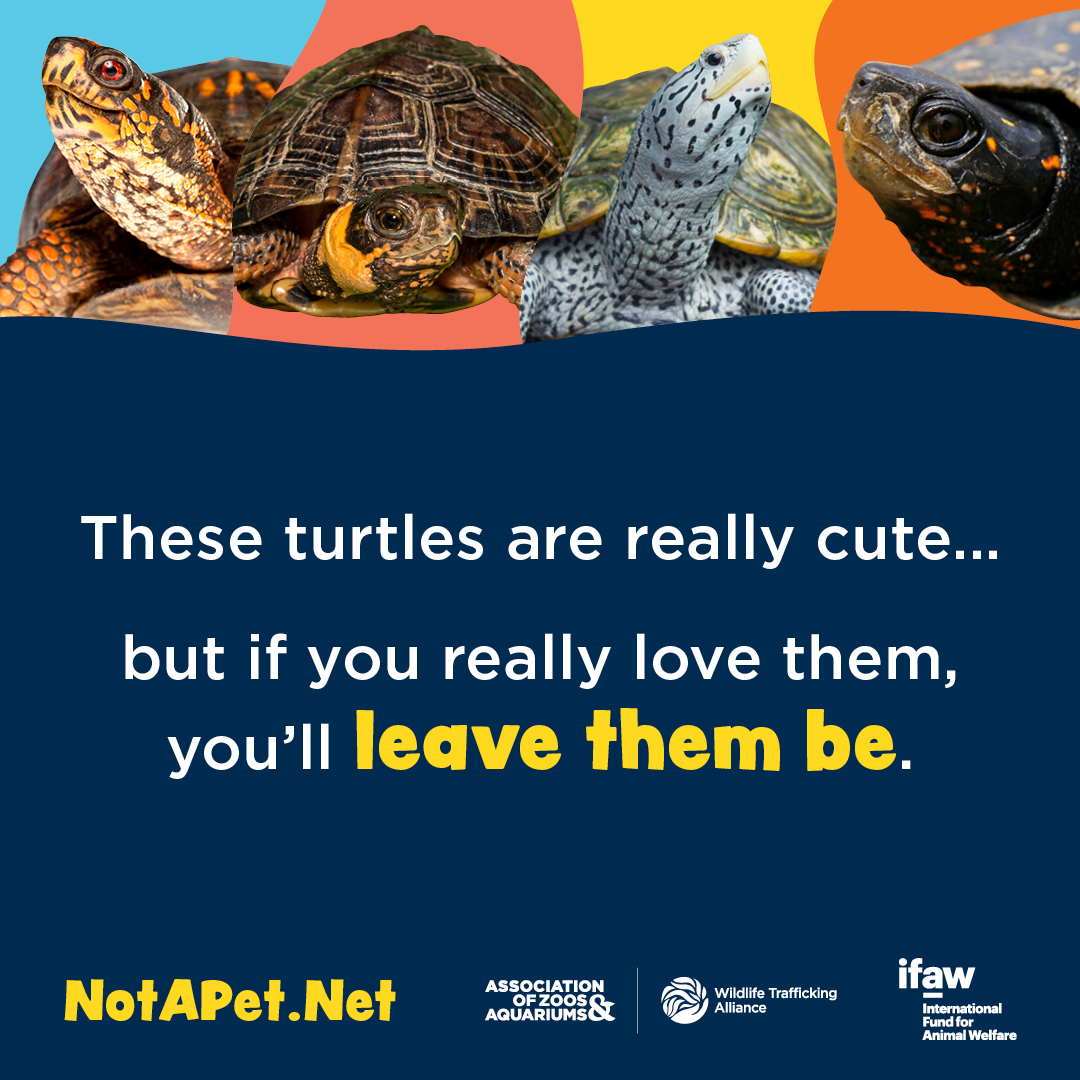
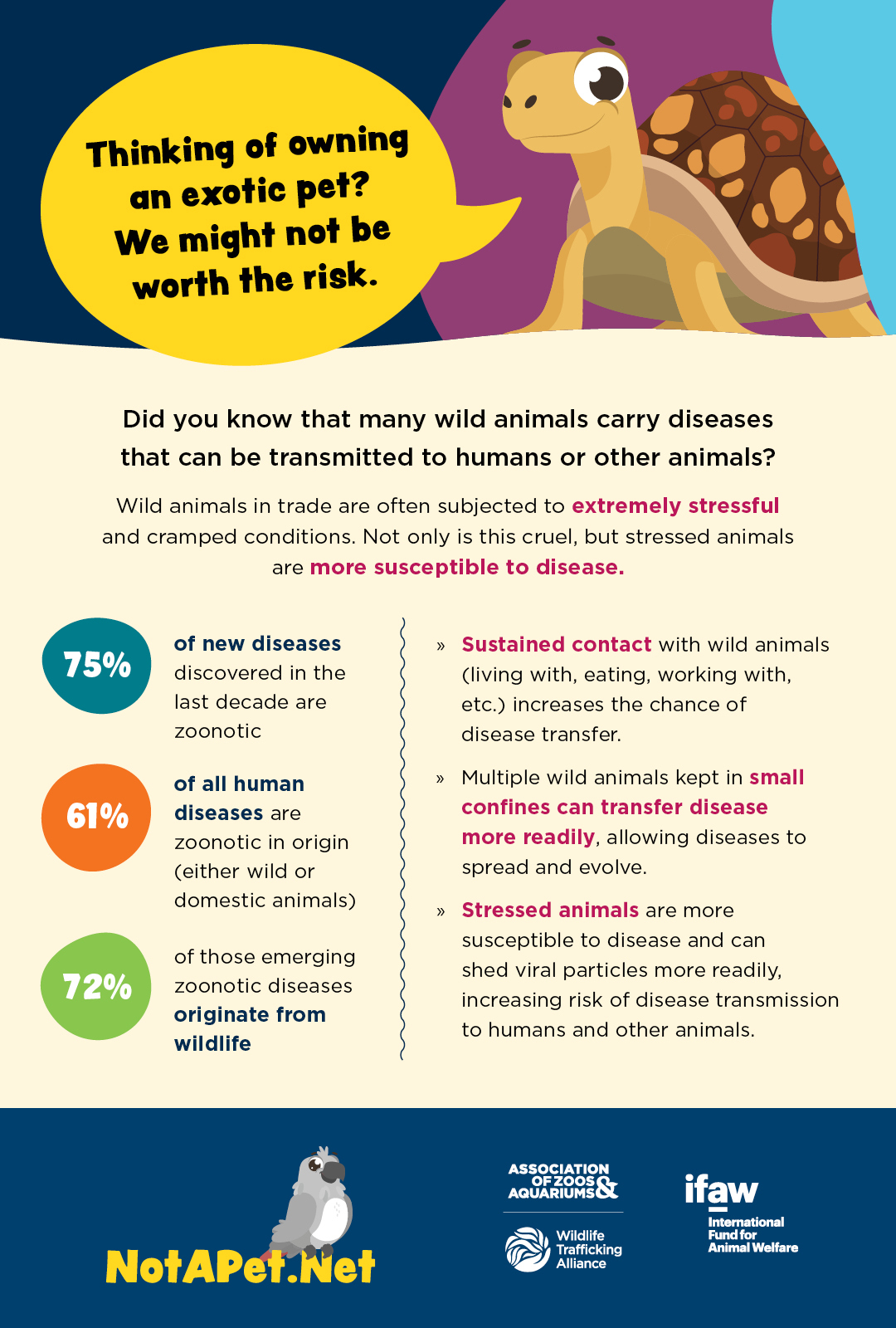
This is a tragic reality for many wildlife trafficking animals—forced on harsh journeys; sadly, destined for life as an exotic pet—a life they never wanted and a life that puts them and the people they encounter at risk. There are many reasons why exotic animals do not make good pets.
Learn more about AZA's "Not A Pet" program by clicking here and take the pledge to be an "Advocate for Wildlife."