
Gombe Forest
Radiated Tortoise

Did you know...
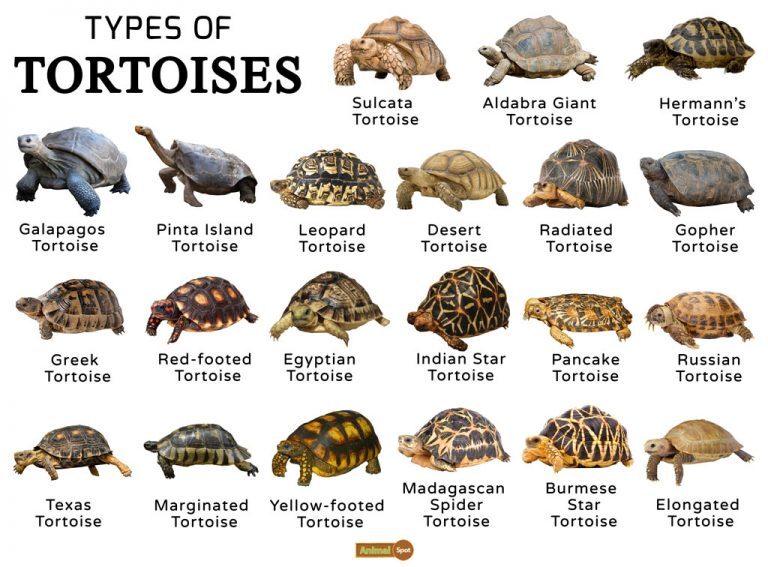
The star pattern on radiated tortoises is more finely detailed and intricate than the Indian star tortoise for which it is commonly mistaken. The radiated tortoise is also larger than the Indian star tortoise.
.
.

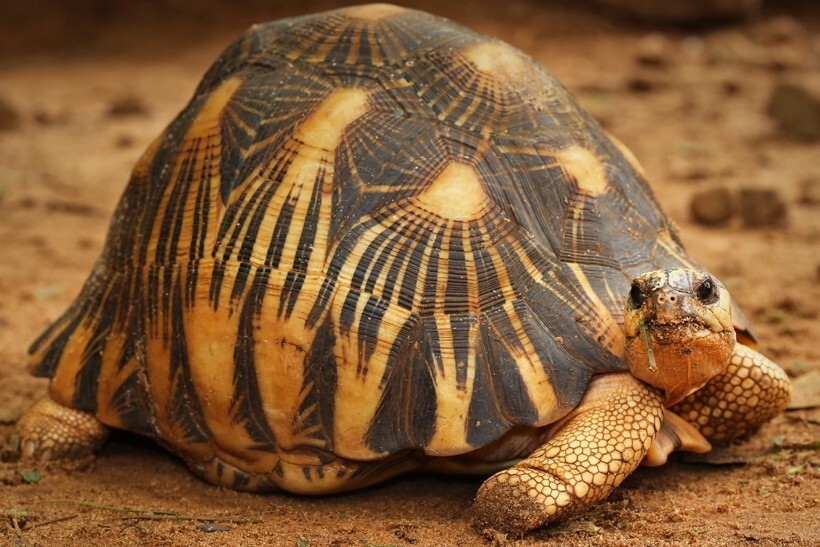
Radiated tortoises have a smooth, high-domed carapace (top shell) marked with yellow lines radiating from the center of each dark plate of the shell, hence the name radiated tortoise. Its body is yellow, with a black patch on its head. They can weigh up to 35 pounds and live for 40 to 50 years. Compared to females, male radiated tortoises usually have longer tails and the notch in the plastron (bottom shell) beneath the tail is more noticeable. Unlike the yellow coloration of the adults, the juveniles are a white to an off-white shade. Since grazing makes up 80-90% of their diet, these tortoises are most often seen wandering around in search of food. As a reptile, they must warm up in the sun in the mornings, and seek shade to keep cool when temperatures rise. Radiated Tortoises are Critically Endangered. Their limited range, combined with a slow reproductive rate, has left them especially vulnerable to habitat loss and overharvest for both food and the exotic pet trade.
________________________________________________________________________________________________________________________________
Egg Temperatures
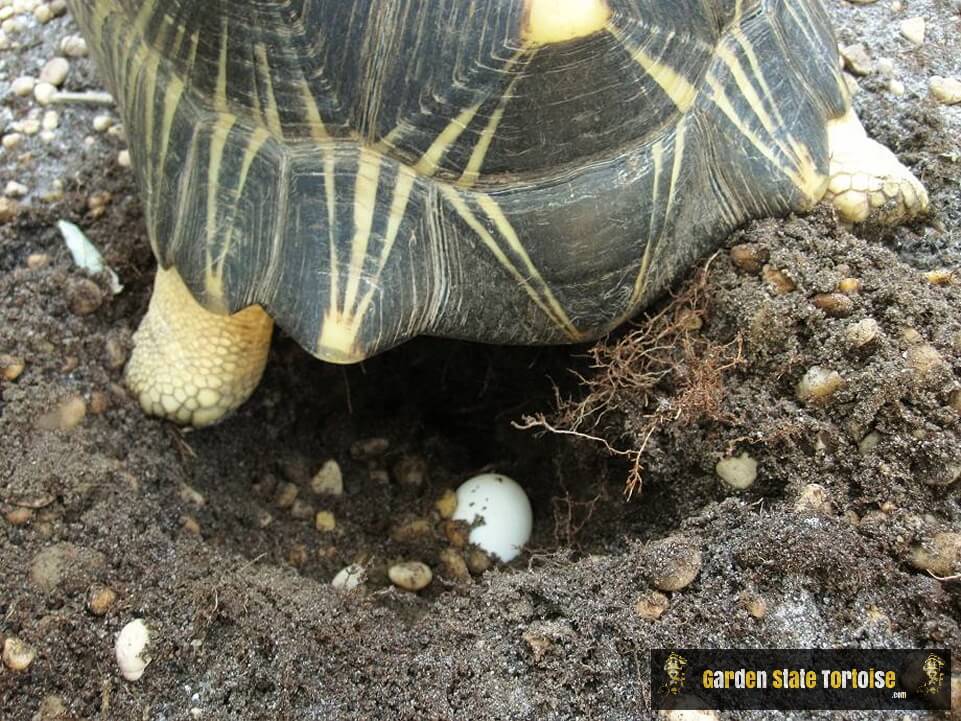
Like many turtles, the sex of their young is determined by the temperature of the eggs during incubation. Cool temperatures produce males, while warmer temperatures (around 87 degrees F) produce females.
______________________________________________________________
.
.
Sensitive Shell
The radiated tortoise shell has blood vessels and nerves so, like other tortoises, it can feel when it is being touched. A turtle/tortoise shell is made up of 59 to 61 bones and covered by plates called scutes, which are made of keratin like our fingernails. They cannot crawl out of their shell because it is permanently attached to their spine and the rib cage.