Himalayan Passage
Red Panda

Did you know...
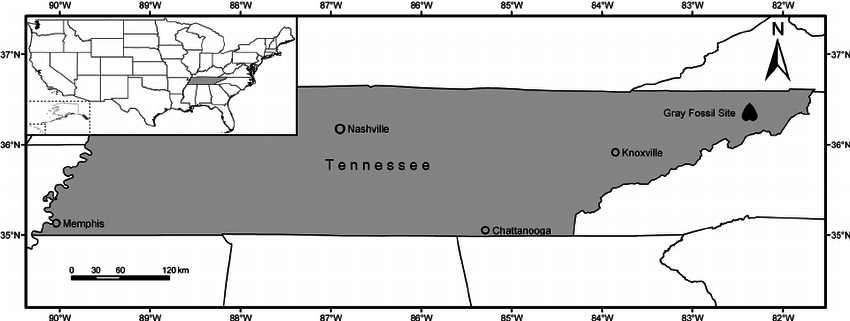
that red panda fossils have been discovered in North America?
Near complete remains have been recovered at the Gray Fossil site in Gray, TN.

Red pandas spend most of their time in the trees. When walking, they place one foot in front of the other like walking on a balance beam. Their bushy tail and long gripping claws, make them at home in the trees. They even have a special thumb-like wrist bone that helps them get an extra grip when climbing or holding their food.
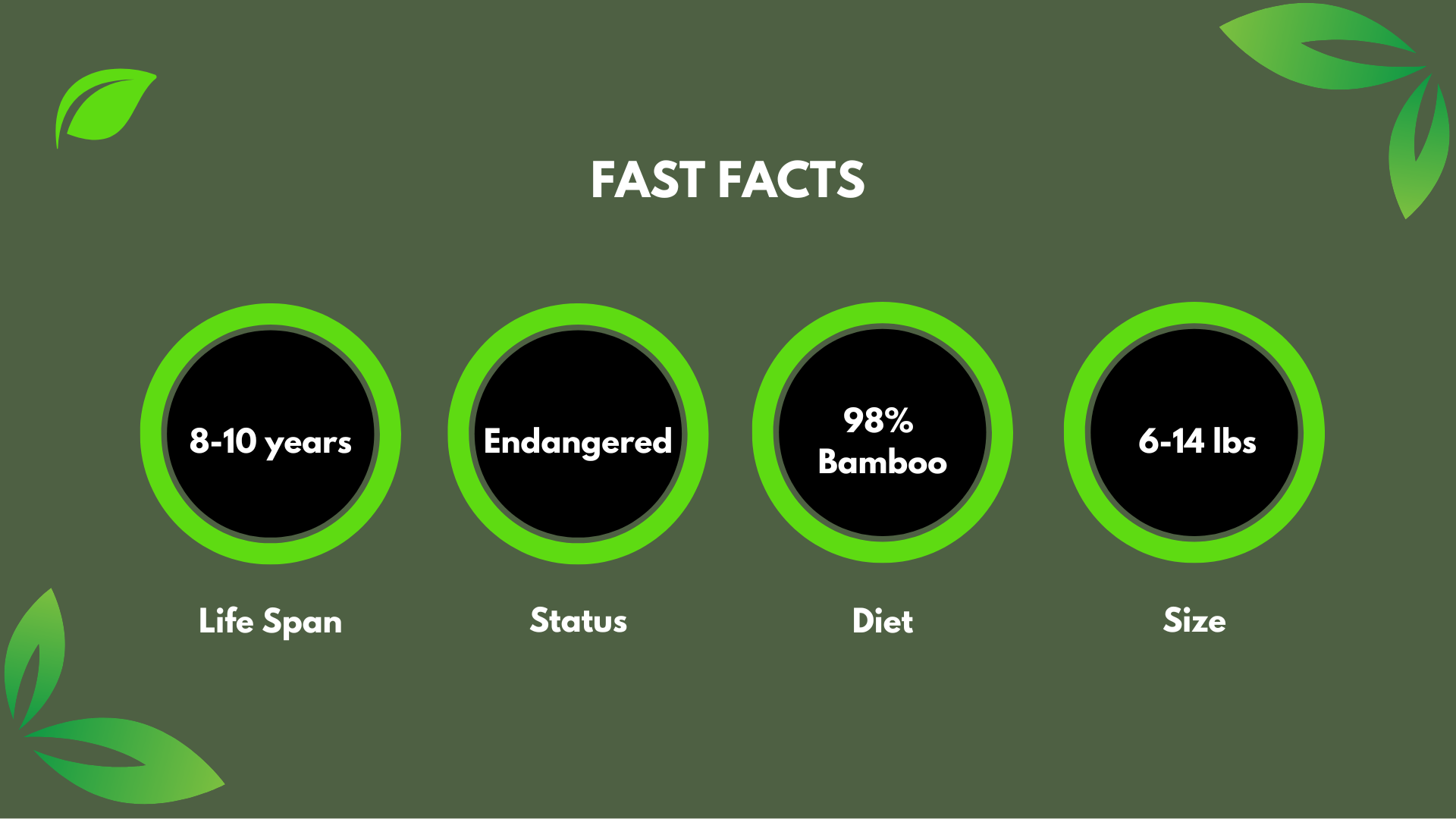
They have powerful molars for chewing on tough bamboo and are mostly vegetarians—although they are classified as carnivores. Ninety eight percent of their diet is made up of bamboo leaves. The Chattanooga Zoo regularly collects bamboo all throughout the community to keep our red pandas happy and healthy.
________________________________________________________________________________________________________________________________
Can I adopt a red panda?

Yes, you can symbolically adopt a red panda and help the Zoo with the care and feeding of our red pandas. Just click here to learn more.
_______________________________________________________________________________________
How red pandas are being helped in the wild
Red panda numbers may have decreased by as much as 40 percent over the last 50 years. Today the adult population is probably around 10,000. People clearing forests for farming and grazing, as well as hunting and the pet trade, have drastically reduced the number of red pandas.
On the positive side, there are now worldwide efforts in place to save red pandas. Some habitats have been designated as protected areas. There are 20 such protected areas in India, 35 in China, 8 in Nepal, and 5 in Bhutan.
How you can help red pandas
- Donate or volunteer at organizations like World Wildlife Fund and Red Panda Network, which work with local communities to protect red panda habitat and ban the hunting and poaching of red pandas.
- Enjoy a Red Panda Wild Encounter at Chattanooga Zoo. A portion of the proceeds supports the Red Panda Network, a nonprofit organization that identifies unprotected red panda habitat and trains “forest guardians” to conduct awareness-building workshops on red pandas at local villages and work with villagers to establish new protected areas. Forest guardians also continue baseline conservation research and monitoring of red panda populations.
- Chattanooga Zoo participates in the Association of Zoos and Aquariums’ Species Survival Plan (SSP) for red pandas. The mission of an SSP program is to cooperatively manage threatened or endangered species populations within managed-care facilities. By supporting Chattanooga Zoo, you are our ally in saving and protecting wildlife worldwide.