Cape of Africa
Serval

Did you know...
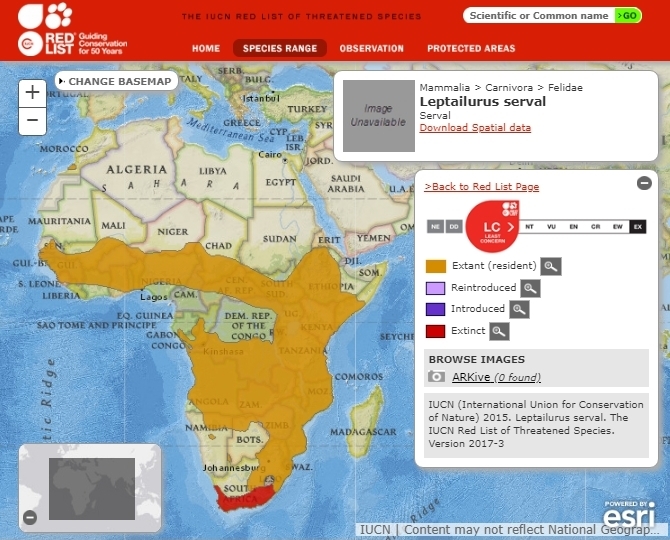
Servals are native to more than 35 African countries. A population once found in Southern Africa is extinct.
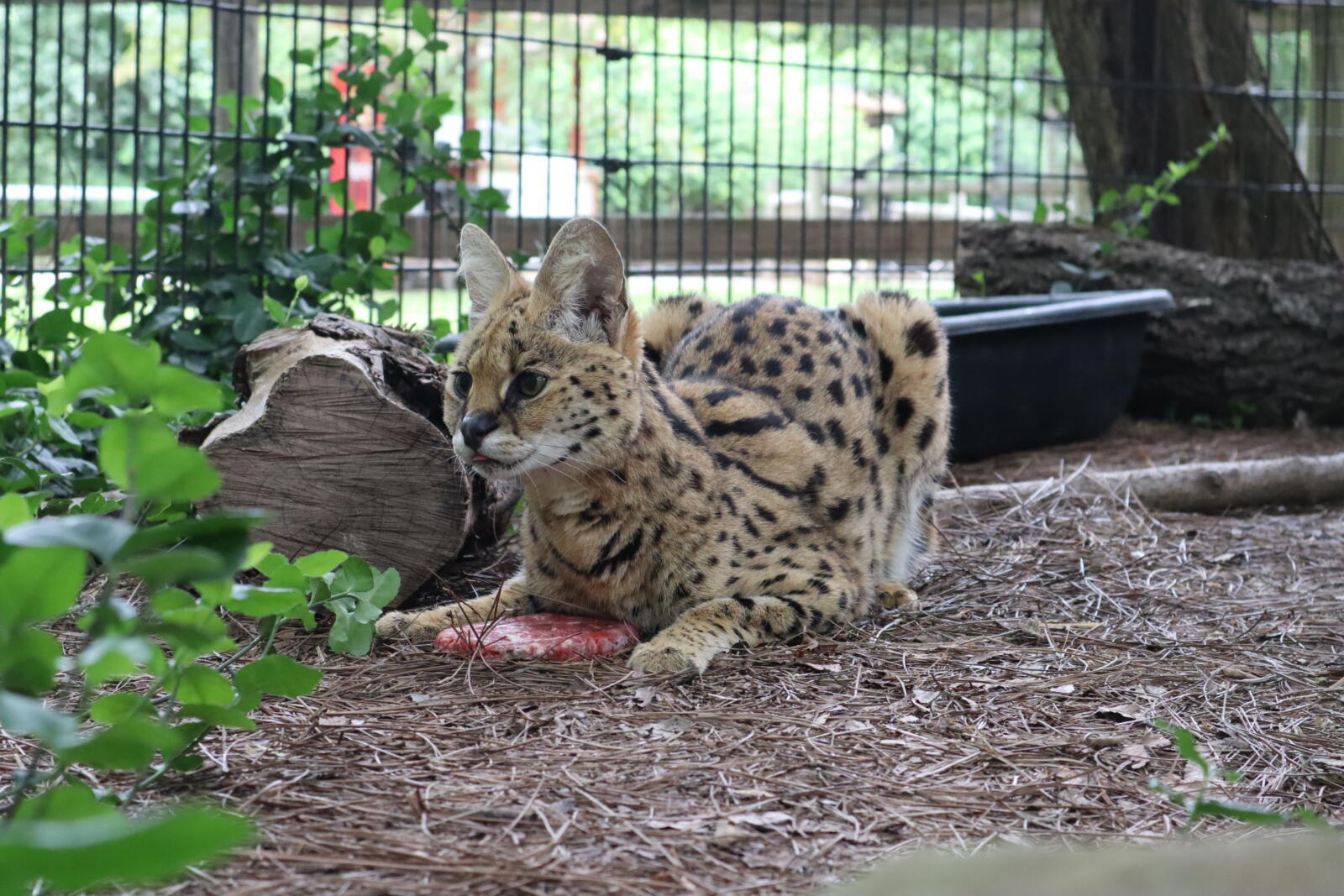
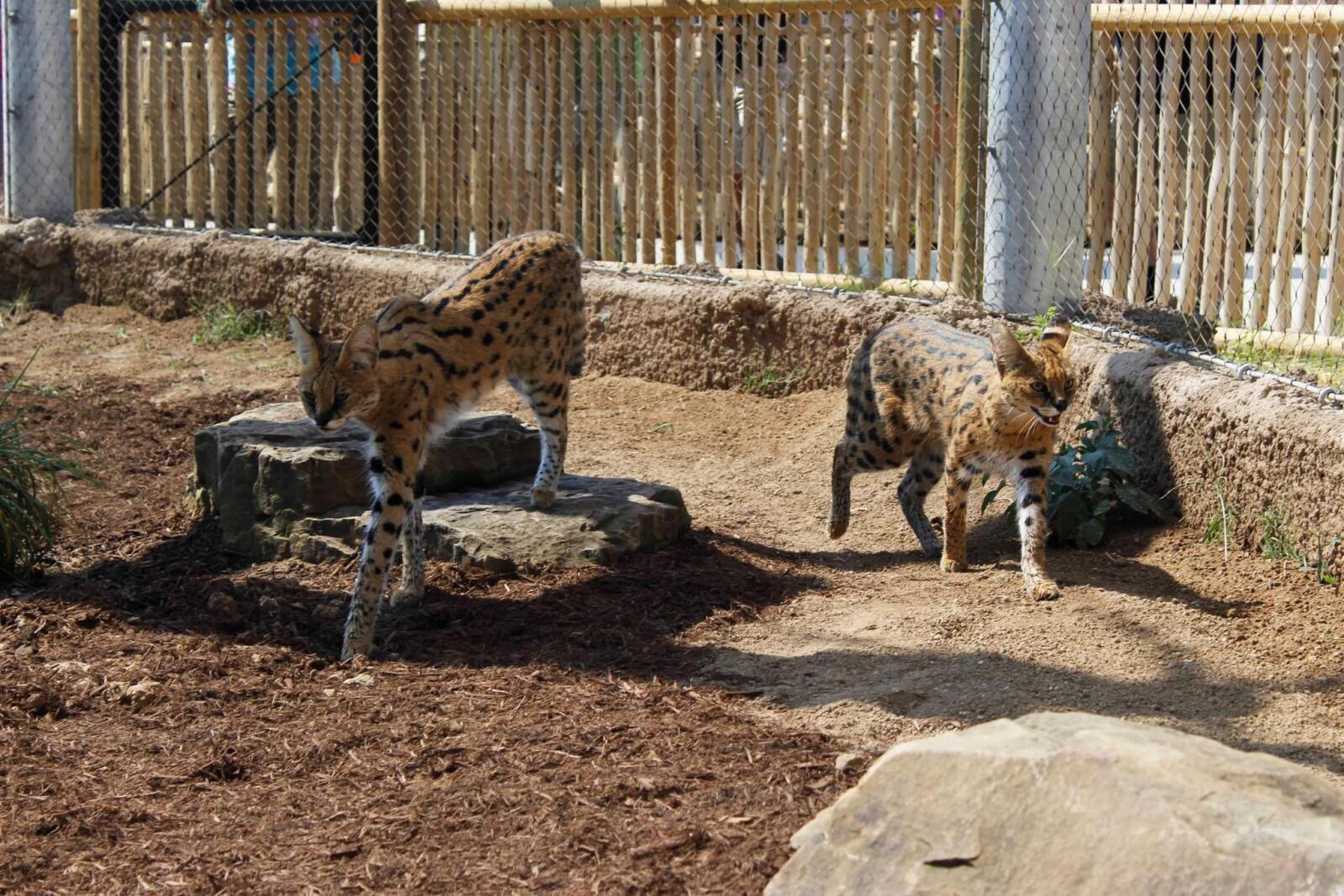
Servals are medium-sized wild cats with tawny, black-spotted coats and long necks and long legs that allow them to see over savanna grasses. The serval has the longest legs and largest ears for its body size of any cat.
They have black spots and stripes, which vary among each individual in size and placement. Markings run from the top of the head between the ears and continue down the back breaking into four distinct lines. Upon reaching the shoulders, the lines break and scatter into spots along the same path of the stripes. Eventually reaching the rear of the animal, the spots elongate and merge to form the rings of the tail. The tip of the tail is black. Occasionally, melanistic servals have been observed.
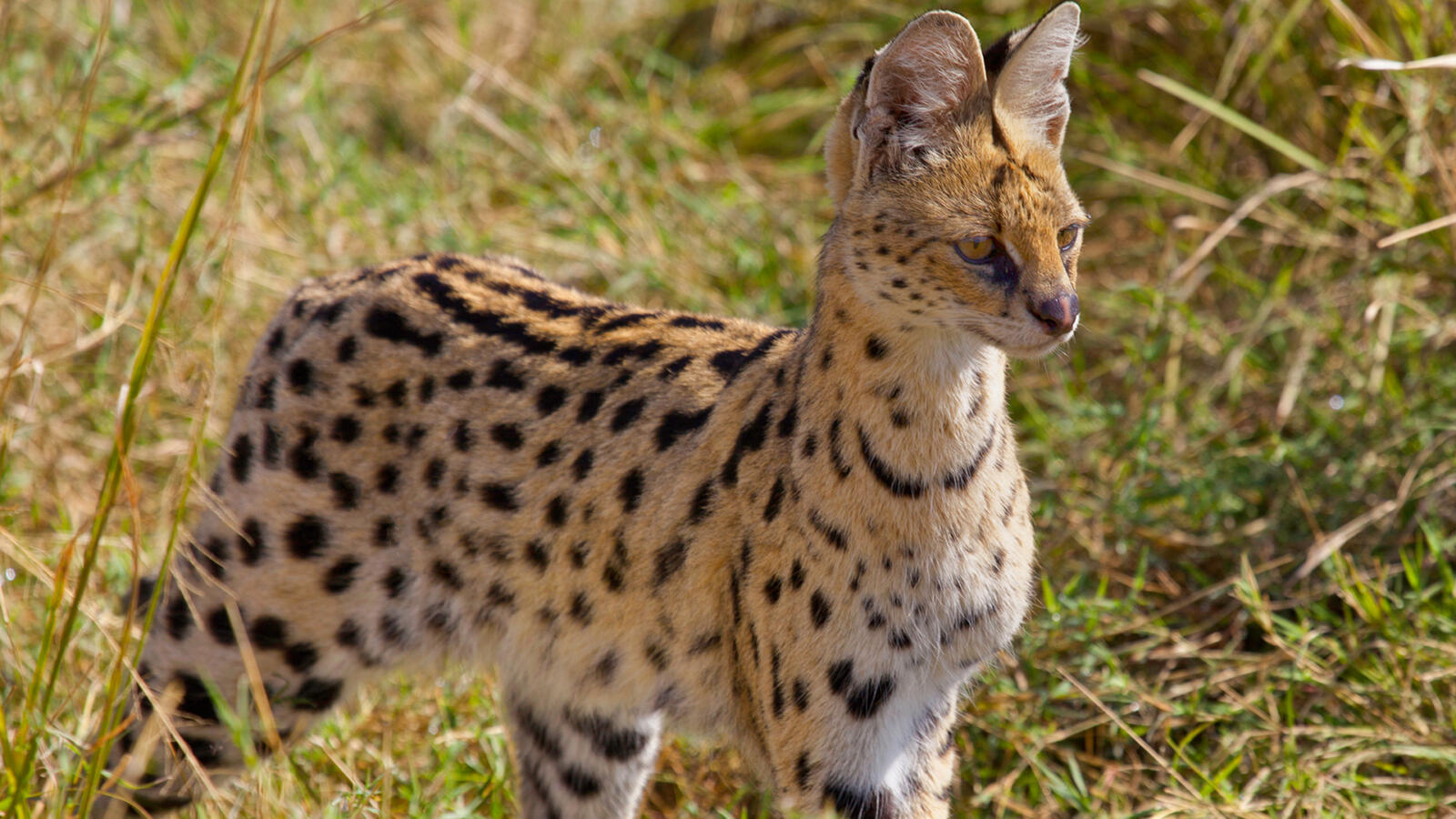
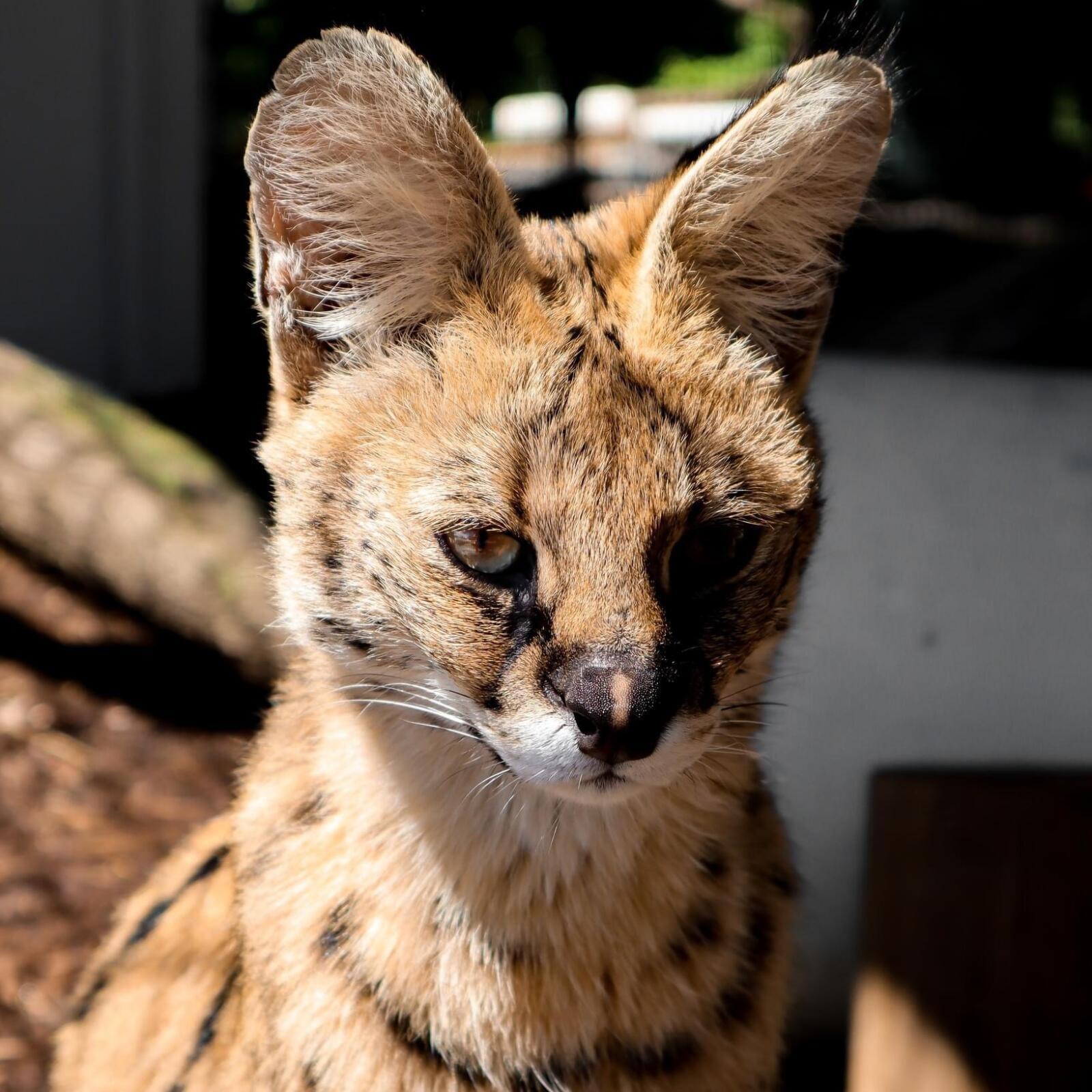
A serval's large ears give them an acute sense of hearing. They act as radar dishes to locate food, listening for the movement of animals in the grass before they pounce. It is believed that they use their ears as much as their eyes. The serval’s hearing is so good that it can detect animals in a burrow underground. Although a majority of a serval’s prey consists of small rodents and birds, they have been observed hunting small and young antelope.

______________________________________________________________________________________________________________________________________________

Savannah Cats as Pets
Some people think it would be fun to own an exotic cat. This has led to a serval hybrid called the "savannah cat," a serval bred with a domestic cat. Non-domesticated wildlife, even those born in zoos, keep their instincts for hundreds, even thousands, of years, so these cats do NOT make good pets. And it is against the law in some states to own savannah cats. Hybrid cats may also require raw diets to maintain proper health. Locating a knowledgeable veterinarian is also important.
__________________________________________________________________________________
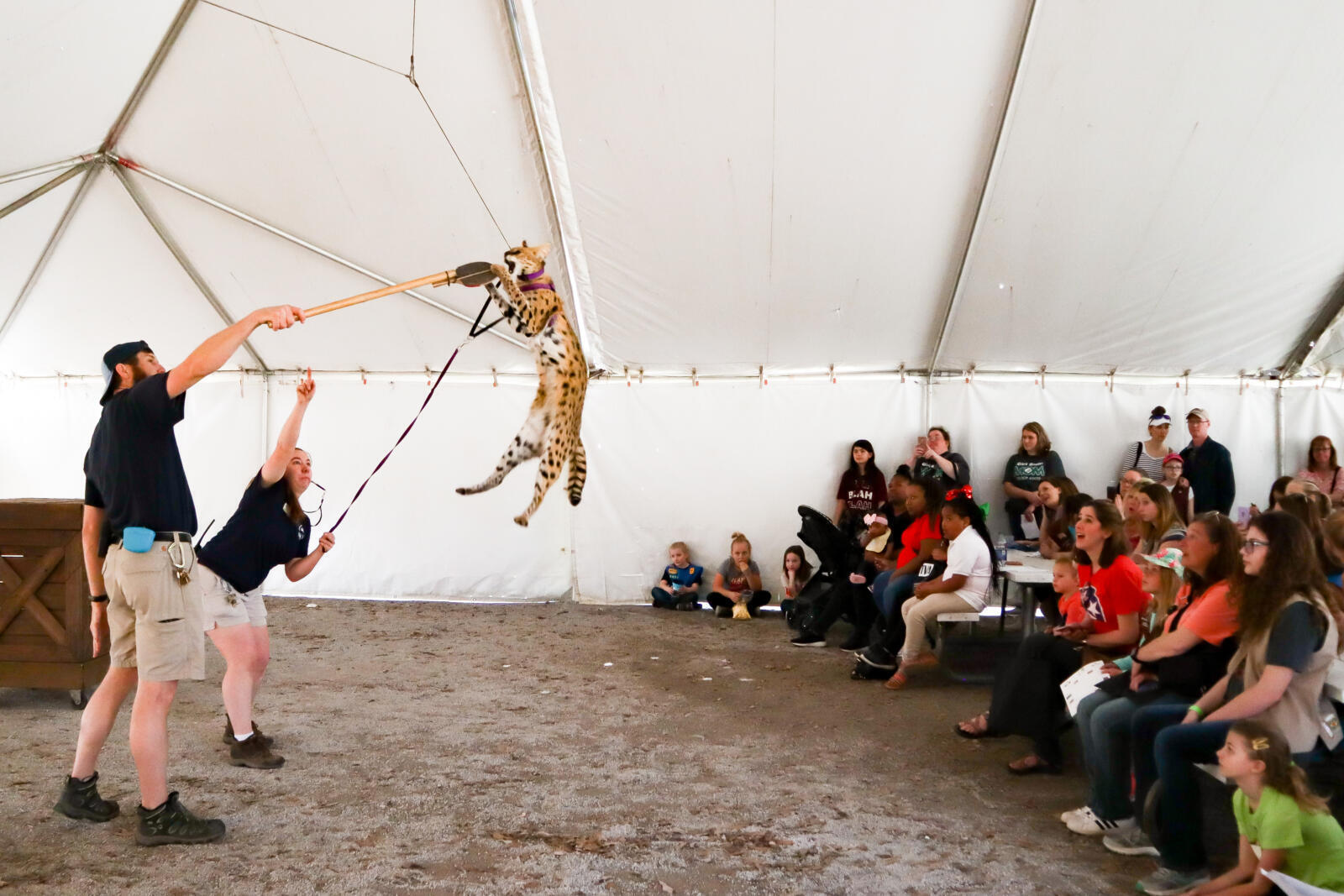
High Jumper
Servals have long, powerful legs that are important for jumping. They have been known to jump as high as 12 ft to catch birds in mid air.
The Keepers at Chattanooga Zoo are demonstrating to Zoo guests how high our serval can jump.
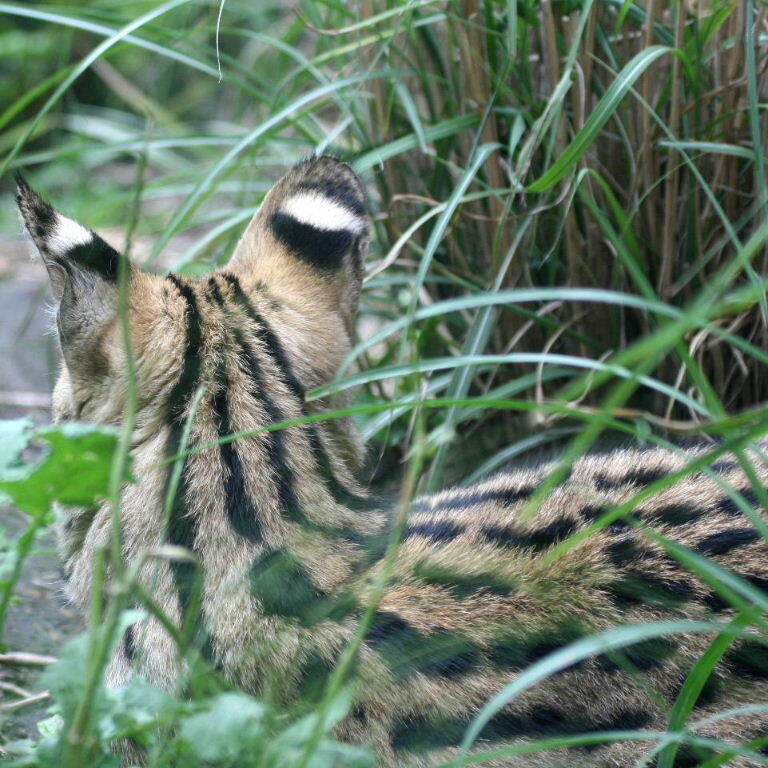
Eye Spots
Servals, as well as some other cats, have bright, white spots on the back of their ears called "eye spots." While scientists don't know what the real purpose of these spots are, there are some theories: 1) they allow the babies to be able to see and follow mom in the tall grass, and 2) predators usually will not attack if the animal is looking at them. So it is another form of protection from predators.
.